Why Is My 2-Way Normally Open AC Solenoid Armature Not Opening Properly
2026-11-13
When a 2-Way Normally Open AC Solenoid Armature fails to open, the symptom is often misleading: the valve is normally open by design, so a "not opening" complaint usually points to a control signal, coil, or mechanical issue rather than the armature itself. At Anlite, we see this pattern frequently in pilot-operated and direct-acting valves used across water, air, and light oil lines. Diagnosing it correctly starts with understanding what "open" means in your specific circuit.
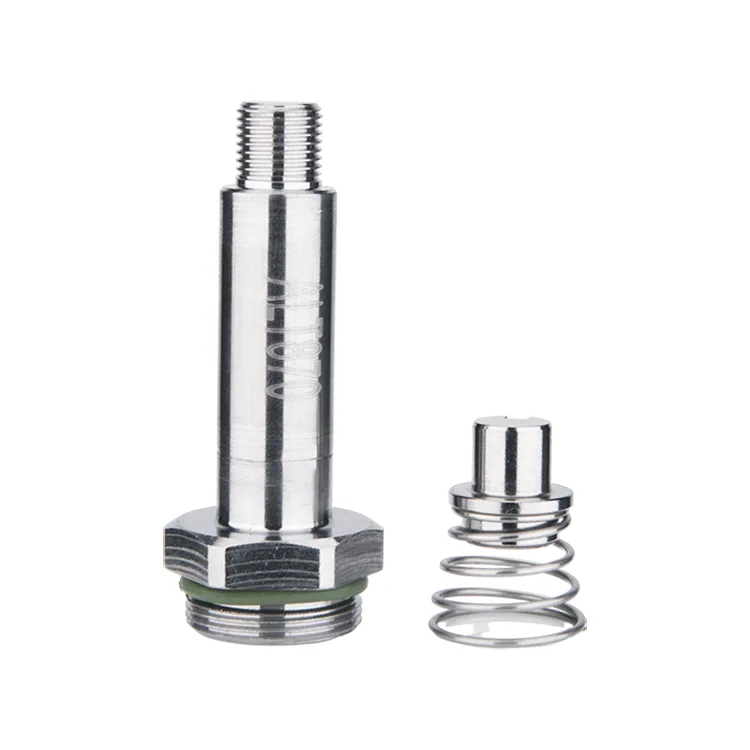
How the Armature Interacts with the Valve
In a normally open configuration, the 2-Way Normally Open AC Solenoid Armature is held in the open position by spring force when the coil is de-energized. Energizing the coil pulls the armature to close the valve. Therefore, a valve that "will not open" typically means the coil remains energized, the spring is weakened, or the armature is mechanically bound. The table below maps symptoms to likely root causes.
| Symptom | Likely Cause | Verification Method |
|---|---|---|
| Valve stays closed with power off | Coil stuck energized or wiring fault | Measure voltage at coil terminals |
| Armature does not move when de-energized | Broken or fatigued return spring | Manual override test |
| Intermittent opening | Armature contamination or misalignment | Disassemble and inspect bore |
| No response at all | Failed coil or open circuit | Resistance check against spec |
| Slow opening | Swollen elastomer or debris | Inspect seal and orifice |
Key Diagnostic Steps
-
Confirm the control state. Verify that power is actually removed from the coil. A 2-Way Normally Open AC Solenoid Armature cannot open if the coil is still energized by a stuck relay or manual switch.
-
Check coil resistance. Compare the measured value to the Anlite datasheet. An open circuit indicates a failed coil; a short indicates insulation breakdown.
-
Inspect the armature bore. Contamination, corrosion, or a swollen seal can prevent the 2-Way Normally Open AC Solenoid Armature from returning to its open position.
-
Test the return spring. A fatigued spring will not overcome residual magnetism or friction.
-
Verify voltage and frequency. AC coils are frequency-sensitive; a mismatch can cause chatter or incomplete movement.
Common Environmental Factors
Moisture ingress, particulate contamination, and excessive cycling all accelerate wear on the 2-Way Normally Open AC Solenoid Armature. Anlite recommends filtered media and periodic inspection in high-cycle applications to preserve armature response.
FAQ
Q: Why does my 2-Way Normally Open AC Solenoid Armature stay closed even after power is removed?
A: The most common cause is residual magnetism or a stuck control relay keeping the coil energized. Check the control circuit first, then inspect the armature for contamination or a weakened return spring that cannot overcome friction in the bore.
Q: Can a failed coil cause a 2-Way Normally Open AC Solenoid Armature to stop opening?
A: Yes. If the coil fails shorted or remains energized due to a wiring fault, the armature stays pulled in and the valve remains closed. Measure coil resistance against the Anlite specification and confirm zero voltage at the terminals when the command is off.
Q: How do I know if the armature or the spring is the problem?
A: Perform a manual override or de-energize the coil and observe movement. If the armature returns freely, the spring is likely sound and the issue is electrical. If it binds or stays closed, inspect the bore for debris, corrosion, or seal swelling.
Q: What maintenance prevents armature opening failures?
A: Use filtered media, avoid over-voltage, and inspect the 2-Way Normally Open AC Solenoid Armature and spring at recommended intervals. Anlite advises replacing worn springs and seals proactively in continuous-duty systems.
If your valve is not responding as expected, contact us at Anlite for application support, replacement armature selection, and diagnostic guidance tailored to your specific 2-Way Normally Open AC Solenoid Armature configuration.