Why Is a Rolled Ball Screw Still the Smart Choice for Cost-Sensitive Motion Systems?
2026-01-19
When I first started comparing different linear motion components for real production projects, I quickly realized that performance alone is never the only concern. Budget control, lead time, and long-term reliability all matter just as much. That is where the Rolled Ball Screw consistently proved its value. In working with manufacturers like Maitu, I saw how a well-designed Rolled Ball Screw can quietly solve everyday motion challenges without pushing costs beyond reason.
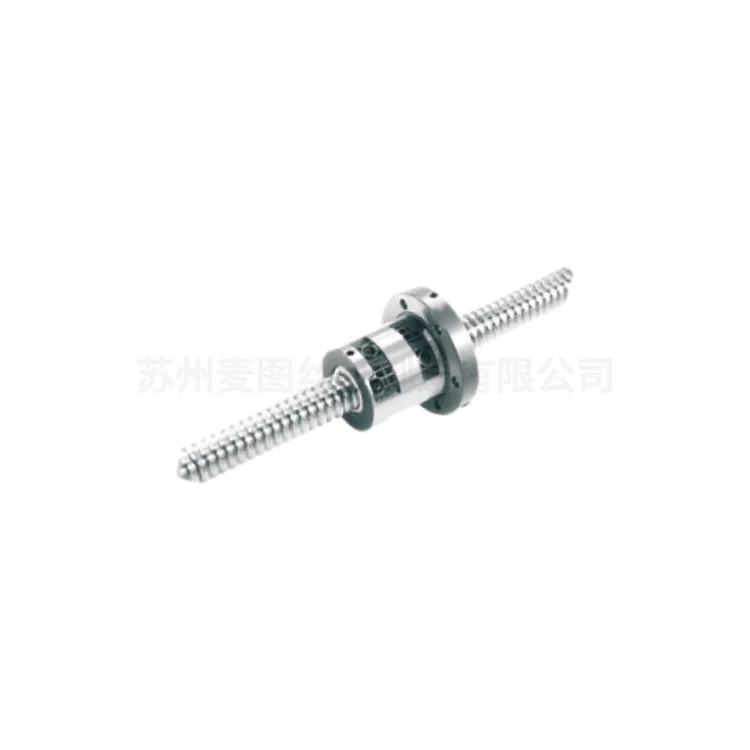
What Problems Does a Rolled Ball Screw Solve in Real Manufacturing Environments?
In many factories, the pain points are surprisingly similar. Equipment needs to move smoothly, positioning must stay repeatable, and downtime must be minimized. At the same time, not every application justifies the expense of high-end ground screws. This is where a Rolled Ball Screw makes sense. It delivers stable accuracy, good load capacity, and predictable service life, all while keeping procurement and maintenance costs under control.
- It reduces friction compared with traditional lead screws
- It supports higher speeds without excessive heat
- It offers consistent performance for medium-precision tasks
- It helps manufacturers scale production without overengineering
How Does the Rolling Process Improve Efficiency and Cost Control?
Unlike ground screws, which remove material to achieve precision, a Rolled Ball Screw is formed through cold rolling. This process strengthens the screw surface while allowing faster, more economical production. From my experience, this manufacturing method explains why rolled screws strike such a good balance between price and performance.
Because the rolling process work-hardens the material, the resulting threads often show excellent wear resistance in everyday use. For applications such as automation lines, packaging equipment, and general machinery, this approach delivers more than enough accuracy without unnecessary expense.
Where Does a Rolled Ball Screw Perform Best Compared with Other Options?
I often see buyers struggle to choose between lead screws, rolled screws, and ground screws. The answer usually depends on application requirements rather than marketing claims. A Rolled Ball Screw fits perfectly into the middle ground.
| Motion Solution | Typical Accuracy | Cost Level | Common Applications |
|---|---|---|---|
| Lead Screw | Low | Low | Simple lifting, manual adjustment |
| Rolled Ball Screw | Medium | Medium | Automation, CNC auxiliaries, conveyors |
| Ground Ball Screw | High | High | High-precision CNC, aerospace equipment |
Why Do Engineers Choose Rolled Ball Screws for Long-Term Reliability?
From an engineering perspective, reliability often matters more than chasing the tightest tolerances. A Rolled Ball Screw offers stable preload options, smooth ball circulation, and predictable backlash control. In daily operation, this translates into fewer surprises and easier maintenance planning.
Manufacturers such as Maitu focus on material consistency, heat treatment, and quality inspection, which helps ensure that each Rolled Ball Screw performs reliably across its service life. That consistency is critical for OEMs who need repeatable results across multiple machines.
How Can a Rolled Ball Screw Improve System Efficiency Without Overdesign?
Overdesign is a common hidden cost. I have seen systems equipped with ultra-precision components that never operate near their limits. Choosing a Rolled Ball Screw allows designers to match performance to actual needs. The result is smoother motion, adequate positioning accuracy, and better energy efficiency without paying for unused precision.
- Lower friction improves motor efficiency
- Balanced accuracy supports repeatable positioning
- Reduced cost frees budget for other system upgrades
Is a Rolled Ball Screw the Right Investment for Your Next Project?
If your application demands dependable motion, reasonable accuracy, and cost awareness, a Rolled Ball Screw is often the most practical choice. Based on my experience, it delivers exactly what many industrial systems need, without unnecessary complexity.
If you are evaluating options or need guidance on selecting the right specification, I recommend reaching out directly. Contact us to discuss your application requirements, request technical support, or receive a tailored quotation from a trusted supplier like Maitu. The right conversation now can save significant time and cost later.