Why Is a Heat-Dissipating Aluminum Shell Better Than Plastic for Thermal Management
2026-09-22
When electronic devices generate heat faster than they can release it, performance drops, components age prematurely, and safety risks rise. This is why engineers increasingly specify a heat-dissipating aluminum shell instead of plastic housings for thermal management. At Zhongyilong, we have spent years manufacturing precision aluminum enclosures for LED lighting, power supplies, battery packs, and industrial electronics, and the difference between aluminum and plastic is not marginal—it is fundamental.
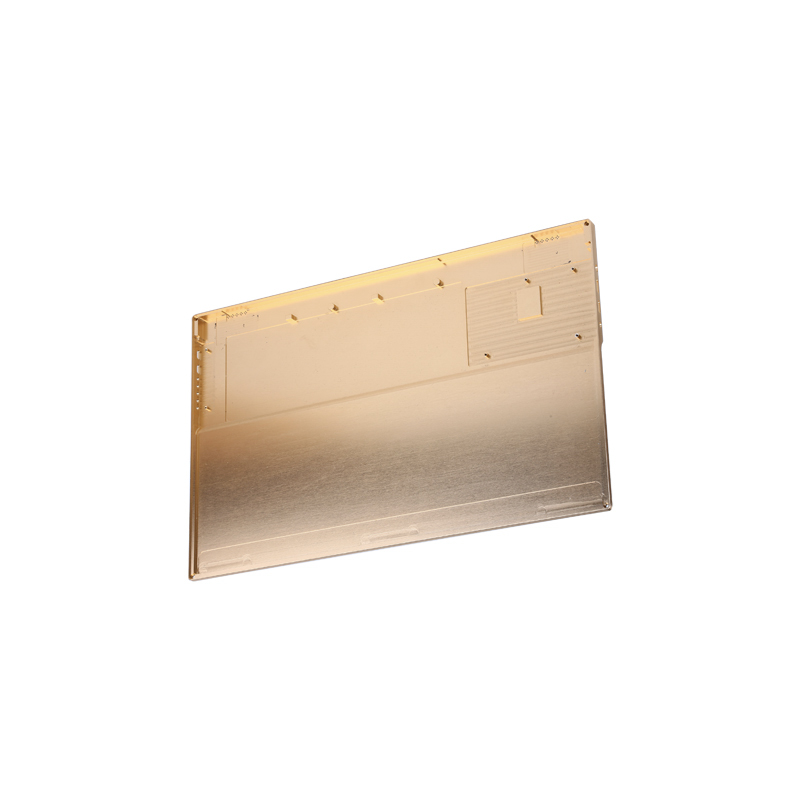
The Physics Behind the Difference
Thermal management depends on three material properties: thermal conductivity, heat capacity, and the ability to spread heat across a surface. Plastic is an insulator by nature. Aluminum is a conductor. That single distinction drives every practical advantage.
| Property | Heat-Dissipating Aluminum Shell | Plastic Housing |
|---|---|---|
| Thermal conductivity | 200–237 W/m·K | 0.2–0.5 W/m·K |
| Heat spreading | Excellent | Poor |
| Structural rigidity | High | Moderate to low |
| EMI shielding | Yes | No |
| Flame resistance | Inherent | Requires additives |
| Recyclability | High | Limited |
| Weight | Moderate | Light |
| Cost per unit | Higher upfront | Lower upfront |
The conductivity gap is roughly 500 times in favor of aluminum. A heat-dissipating aluminum shell does not merely resist heat—it actively moves it away from sensitive components and distributes it across the entire surface area for faster convection.
Key Advantages for Thermal Management
-
Direct heat conduction. A heat-dissipating aluminum shell can be mounted directly to a PCB, power module, or LED board, creating a short thermal path from the heat source to the ambient air.
-
Larger effective surface area. Aluminum extrusions allow integrated fins, ribs, and channels that multiply surface area without adding separate heat sinks.
-
Durability under thermal cycling. Aluminum maintains dimensional stability where plastic may warp, crack, or soften.
-
EMI and RF shielding. Metal enclosures contain electromagnetic interference, a benefit plastic cannot provide without conductive coatings.
-
Design flexibility. Zhongyilong produces extruded, die-cast, and CNC-machined heat-dissipating aluminum shells with custom anodizing, powder coating, and laser marking.
When Plastic Still Makes Sense
Plastic remains suitable for low-power devices, cost-sensitive consumer products, and applications where weight and electrical insulation matter more than heat removal. However, once power density exceeds a few watts per cubic inch, or when reliability and lifespan are critical, a heat-dissipating aluminum shell becomes the practical choice.
FAQ
Q: How much cooler does a heat-dissipating aluminum shell run compared to plastic?
A: In typical LED and power electronics tests, an aluminum enclosure can reduce junction temperatures by 15°C to 40°C compared to an equivalent plastic housing, depending on power load, airflow, and surface area. Lower junction temperatures directly extend component life and stabilize output.
Q: Can a heat-dissipating aluminum shell be customized for specific thermal requirements?
A: Yes. Zhongyilong engineers can adjust wall thickness, fin geometry, alloy grade, and surface treatment to match a target thermal resistance. Prototyping and mass production are both supported, with options for extrusion, die casting, and CNC machining.
Q: Is a heat-dissipating aluminum shell more expensive than plastic?
A: The unit cost is usually higher, but total cost of ownership is often lower. Improved reliability, fewer field failures, longer product lifespan, and better EMI performance reduce warranty and service expenses over time.
Conclusion
For any application where heat is a limiting factor, a heat-dissipating aluminum shell outperforms plastic in conductivity, durability, shielding, and long-term reliability. Zhongyilong delivers custom aluminum enclosures engineered for real thermal performance, from prototype to production.
Contact us today to discuss your project and request a quote for a heat-dissipating aluminum shell tailored to your thermal management needs.