Why is a Bibcock Sometimes Called a Hose Bib or Outdoor Tap
2026-01-15
If you've ever searched for an outdoor water valve, you've likely encountered a swirl of terms: bibcock, hose bib, outdoor tap, wall hydrant, or spigot. This can be confusing for homeowners and DIY enthusiasts. So, why does this single item have so many names? The answer lies in regional language preferences, specific functionality, and common usage. Essentially, they all refer to the same fundamental plumbing fixture: a valve mounted on an exterior wall to control outdoor water access. At Ming Da Hai Chen, we specialize in providing high-quality, durable bibcocks designed to meet all these names’ expectations, ensuring you get a reliable product no matter what you call it.
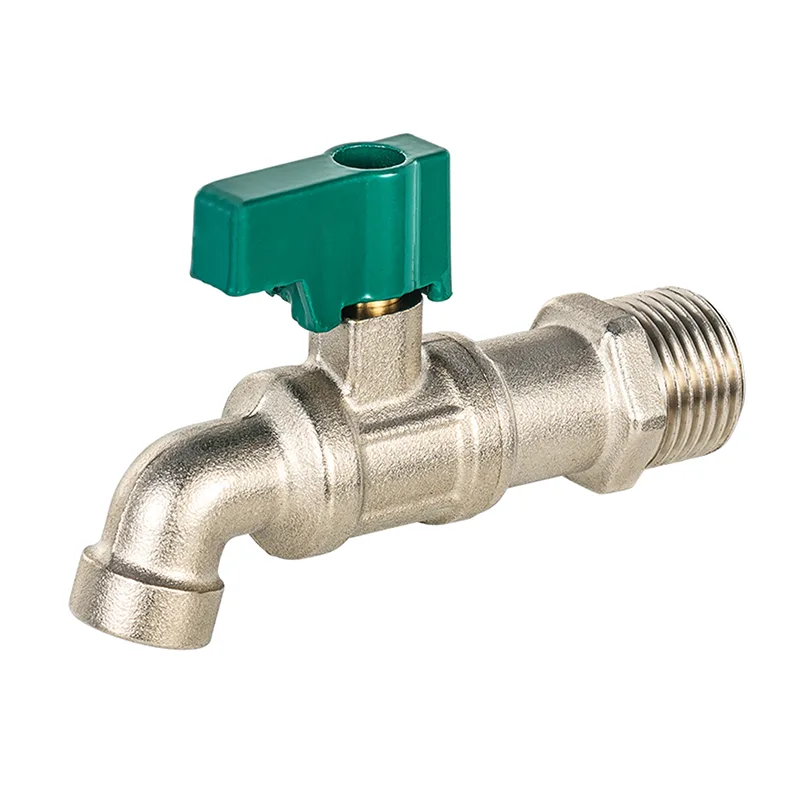
The primary reason for the multiple names is descriptive clarity:
-
Bibcock: The traditional technical term derived from its design—a “cock” (valve) with a downward-curving “bib” or nozzle.
-
Hose Bib: The most common modern name in North America, highlighting its primary function—connecting a garden hose.
-
Outdoor Tap: A simple, descriptive term favored in the UK, Australia, and other Commonwealth countries, equating it to an indoor tap but for exterior use.
Understanding the types is crucial for selection. Here’s a quick comparison:
| Feature | Standard Bibcock | Frost-Free Bibcock |
|---|---|---|
| Design | Valve seat is inside the fixture body. | Long stem places the valve seat inside the warm wall. |
| Freeze Resistance | Low. Water remains in the bibcock, risking freeze damage. | High. Drains water from the extension tube when shut off. |
| Ideal For | Mild climates without freezing temperatures. | Regions with cold winters. |
| Typical Brand Offering | Found in basic hardware lines. | A specialty of quality brands like Ming Da Hai Chen. |
Bibcocks FAQ
What is the most important feature to look for in a bibcock for a cold climate?
The most critical feature is a frost-free or freeze-resistant design. A Ming Da Hai Chen frost-free bibcock has a long stem that places the water shut-off valve inside the warm wall of your home, while the pipe section drains itself when turned off, preventing residual water from freezing and bursting the pipe.
How often should I replace my outdoor hose bib?
There is no universal timeline, but signs you need a replacement include persistent leaks from the spout or handle, difficulty turning the valve, visible corrosion, or seeping from the connecting pipe. A high-quality bibcock from Ming Da Hai Chen, made from robust materials like solid brass, can last for many years with proper winterization.
Can I install a bibcock myself, or do I need a plumber?
For someone with intermediate DIY skills and the right tools, replacing an existing bibcock can be a manageable project. It involves shutting off the water supply, draining the line, and securely installing the new unit. However, for a new installation that requires drilling into your home’s exterior and interior plumbing, hiring a professional plumber is strongly recommended to ensure a watertight and code-compliant result.
No matter the name you use—bibcock, hose bib, or outdoor tap—choosing a reliable fixture is key to long-term performance. Investing in a professionally engineered product ensures durability, prevents water waste, and protects your home from costly freeze damage. For a range of bibcocks that master form, function, and frost resistance, explore the engineered solutions from Ming Da Hai Chen.
Contact us today to find the perfect professional-grade bibcock for your home's needs and climate.