

Why Does Furniture and Hardware Casting Still Define Durability in Modern Interiors?
2026-02-09
When I first began working closely with manufacturers across the global furniture supply chain, one thing became clear very quickly: quality decisions made at the casting stage determine how a product performs years later in real-life use. That realization is what led me to collaborate with Losier Technology Development Co., Ltd., a company that approaches Furniture and Hardware Casting not as a background process, but as the structural foundation of reliable furniture components.
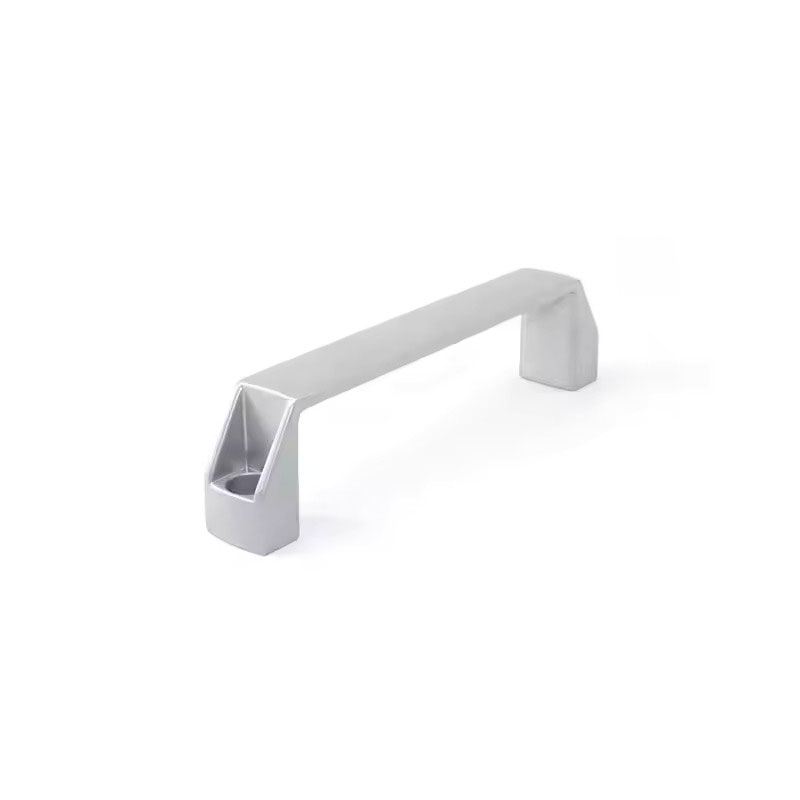
From chair frames and table legs to decorative hardware and load-bearing brackets, Furniture and Hardware Casting quietly supports both form and function. Yet many buyers still struggle with inconsistent quality, surface defects, or hardware that simply does not age well. This article walks through the real issues customers face and how the right casting approach can solve them.
What Problems Do Buyers Commonly Face with Furniture and Hardware Casting?
In my experience, sourcing cast furniture components is rarely just about price. Buyers often come to us after encountering recurring problems that affect both performance and brand reputation. The most common concerns include:
- Unstable structures caused by internal porosity or weak metal density
- Inconsistent dimensions that complicate assembly and fitting
- Rough surfaces requiring excessive post-processing
- Premature corrosion in humid or high-traffic environments
- Limited flexibility for custom designs or small-batch orders
These issues usually trace back to inadequate control during the Furniture and Hardware Casting process, rather than to downstream finishing alone.
How Does Furniture and Hardware Casting Influence Strength and Longevity?
Casting is not simply about pouring molten metal into a mold. It is about managing material composition, temperature stability, mold precision, and cooling behavior. When these elements are carefully balanced, the resulting components show measurable advantages.
| Key Casting Factor | Impact on Furniture Hardware |
|---|---|
| Material selection | Determines load capacity, wear resistance, and corrosion performance |
| Mold accuracy | Ensures consistent dimensions and reduces assembly errors |
| Controlled cooling | Improves internal density and structural stability |
| Surface treatment planning | Reduces finishing costs while improving appearance |
By optimizing these steps, Furniture and Hardware Casting becomes a predictable and scalable solution rather than a quality risk.
Why Is Customization So Important in Furniture and Hardware Casting?
Modern furniture brands rarely rely on one-size-fits-all components. Design identity, regional standards, and installation environments all demand flexibility. I have seen projects fail simply because a supplier could not adapt mold designs or material ratios fast enough.
A well-structured Furniture and Hardware Casting workflow allows:
- Adaptation to different furniture styles, from minimalist to ornate
- Support for both decorative and structural hardware components
- Efficient sampling before mass production
- Stable quality across repeated production runs
This level of responsiveness is especially valuable for buyers serving international markets with varying regulatory and performance expectations.
How Does Casting Quality Affect Installation and End-User Experience?
End users may never think about casting, but they feel its effects every day. Hardware that aligns correctly, supports weight without flexing, and maintains its finish over time contributes directly to customer satisfaction.
From my perspective, high-quality Furniture and Hardware Casting simplifies installation, reduces after-sales complaints, and protects a brand’s long-term reputation. Installers spend less time correcting defects, and consumers enjoy furniture that feels solid rather than disposable.
What Should You Look for When Choosing a Furniture and Hardware Casting Partner?
Selecting the right supplier goes beyond browsing catalogs. Based on real project experience, I recommend evaluating partners on the following criteria:
- Demonstrated experience with furniture-specific casting applications
- Transparent process control and quality inspection standards
- Ability to support custom molds and iterative design changes
- Consistent communication throughout sampling and production
- Proven export experience and stable delivery performance
Companies like Losier Technology Development Co., Ltd. stand out because they treat Furniture and Hardware Casting as a collaborative process, aligning technical decisions with real-world usage rather than theoretical specifications.
Are You Ready to Improve Your Furniture and Hardware Casting Results?
If you are facing quality issues, rising warranty claims, or limitations in design flexibility, it may be time to re-evaluate how your components are made. The right casting strategy can reduce costs over the product lifecycle while strengthening customer trust.
If you would like to discuss your specific project, material requirements, or customization needs, we encourage you to contact us and share your inquiry. Our team is ready to help you explore reliable Furniture and Hardware Casting solutions tailored to your market.
