

Why Does Choosing the Right Iron Core Still Make or Break Mechanical Performance?
2026-01-27
When I first started working closely with manufacturers and buyers in the hardware and electromechanical sector, I quickly learned that small internal components often decide the success or failure of an entire system. Over the years, my collaboration with Zhejiang Jika Hardware Manufacturing Co., Ltd. has reinforced this belief, especially when it comes to the role of a well-designed Iron Core in ensuring stability, efficiency, and long-term reliability.
In this article, I want to walk you through the real questions buyers ask, the common pain points I see in the field, and why selecting the right Iron Core is not a minor decision but a strategic one.
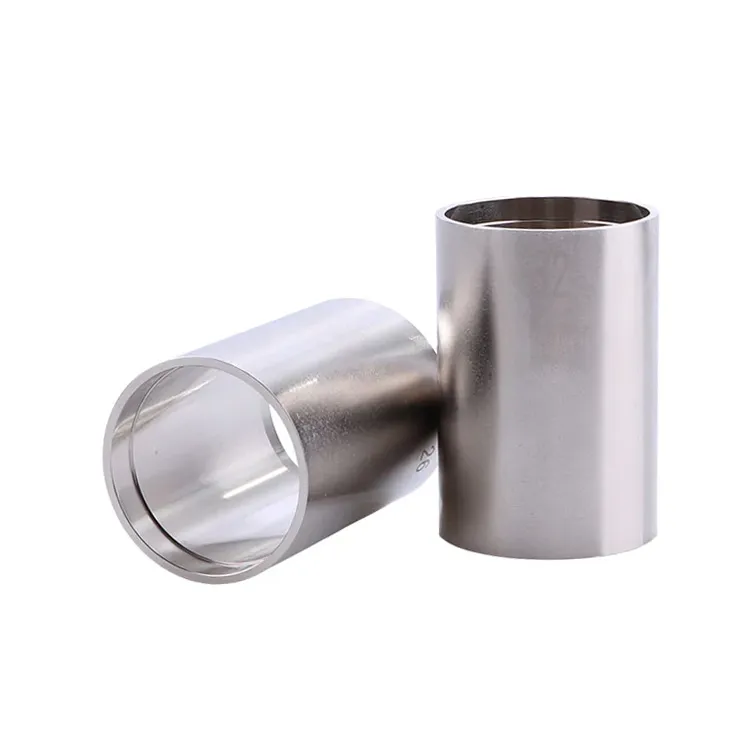
What Problems Do Buyers Commonly Face When Selecting an Iron Core?
From my experience, many sourcing issues stem from focusing too much on price and too little on performance details. A poorly matched Iron Core can quietly introduce problems that only surface after installation.
- Inconsistent magnetic performance affecting overall system output
- Excessive heat generation during continuous operation
- Material fatigue caused by improper lamination or density
- Dimensional inaccuracies that complicate assembly
These issues are rarely visible at first glance, which is why understanding material structure and manufacturing control matters more than many buyers initially realize.
How Does Material Quality Influence Iron Core Performance Over Time?
I often explain to clients that an Iron Core is not just a shaped metal part. Its internal grain structure, purity level, and processing method directly affect magnetic efficiency and mechanical strength.
At Zhejiang Jika Hardware Manufacturing Co., Ltd., the production approach emphasizes controlled material selection and stable forming processes. This reduces internal stress and improves consistency across batches, which is especially critical for applications requiring long operating cycles.
| Material Aspect | Why It Matters |
|---|---|
| High material purity | Ensures predictable magnetic behavior and reduced energy loss |
| Uniform density | Improves structural stability and long-term durability |
| Precision forming | Supports accurate assembly and consistent performance |
Why Should Design Compatibility Be Considered Before Ordering an Iron Core?
One mistake I see repeatedly is treating the Iron Core as a universal component. In reality, even small variations in shape, tolerance, or magnetic characteristics can influence how well it integrates with coils, housings, or surrounding parts.
By aligning core specifications with real application conditions, manufacturers can avoid unnecessary redesigns and reduce failure rates in the field. This is where early technical communication becomes invaluable.
- Matching core geometry to assembly constraints
- Balancing magnetic strength with thermal requirements
- Adjusting specifications based on load and duty cycle
How Can a Reliable Supplier Improve the Consistency of Every Iron Core Batch?
Consistency is often underestimated until a project scales up. I have seen projects struggle because samples performed well, but mass production introduced variations. A dependable supplier minimizes this risk through process discipline rather than shortcuts.
Working with Zhejiang Jika Hardware Manufacturing Co., Ltd., I have observed a strong emphasis on process repeatability and inspection checkpoints, which helps ensure that each Iron Core delivered meets the same performance expectations as the last.
| Production Focus | Buyer Benefit |
|---|---|
| Stable forming processes | Reduced variation between batches |
| Dimensional inspection | Smoother downstream assembly |
| Material traceability | Improved quality control and accountability |
Is Long-Term Value More Important Than Initial Cost for an Iron Core?
From a long-term perspective, I firmly believe that performance stability outweighs marginal cost savings. A reliable Iron Core reduces maintenance needs, lowers energy loss, and supports the overall lifespan of the final product.
When buyers evaluate total ownership cost rather than unit price alone, the advantages of choosing a well-manufactured core become much clearer.
Are You Ready to Optimize Your Next Project with the Right Iron Core?
If you are reviewing suppliers or re-evaluating component performance, now is the right time to look deeper than surface specifications. I encourage you to discuss your application needs in detail and explore solutions that prioritize consistency and real-world performance.
To learn more about customized solutions or to request technical guidance, please contact us today. A well-chosen Iron Core can be the quiet advantage that sets your product apart.
