

Why Does a Well-Designed Sheet Metal Chassis Matter More Than You Think?
2026-01-20
When I first started working closely with manufacturers and system integrators, I quickly realized that a chassis is rarely treated as a strategic component. Yet over time, through hands-on projects with Shenzhen Zhongyilong Hardware Products Co., Ltd., I’ve seen how a carefully engineered Sheet Metal Chassis can quietly determine the reliability, lifespan, and scalability of an entire system. This isn’t about aesthetics alone—it’s about solving real-world engineering pain points before they turn into costly failures.
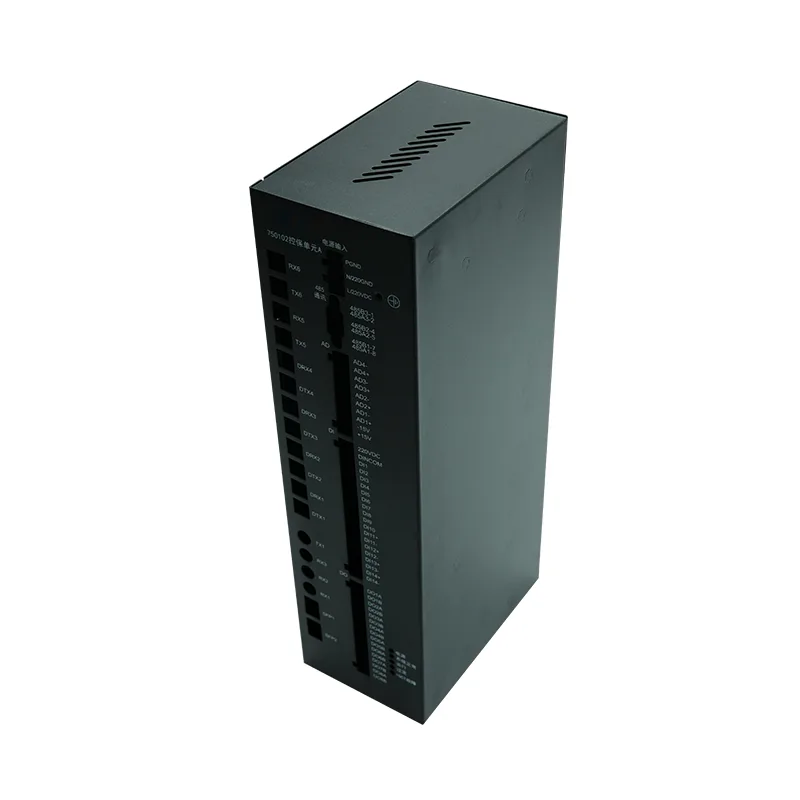
What Problems Are Engineers Really Trying to Solve With a Sheet Metal Chassis?
From my perspective, most customers come to us not asking for metal, but asking for answers. They want to know how to protect sensitive electronics, manage heat, and maintain structural integrity without inflating costs. A Sheet Metal Chassis addresses these needs in ways alternative materials simply cannot.
- How can internal components stay aligned during vibration or transport?
- How can airflow be controlled without adding bulky cooling systems?
- How can customization stay flexible without long lead times?
Why Do Material Choices Inside a Sheet Metal Chassis Make Such a Difference?
I often explain to clients that the real value lies in material selection. Steel, aluminum, and galvanized options each bring different strengths to a Sheet Metal Chassis. Choosing the right one isn’t guesswork—it’s a design decision tied directly to application demands.
| Material Option | Key Advantage | Typical Application |
|---|---|---|
| Cold Rolled Steel | High strength and dimensional stability | Industrial control systems |
| Aluminum Alloy | Lightweight with excellent heat dissipation | Electronics and communication devices |
| Galvanized Steel | Enhanced corrosion resistance | Outdoor or humid environments |
How Does Structural Design Improve Reliability in a Sheet Metal Chassis?
In my experience, reliability doesn’t come from overbuilding—it comes from intelligent design. A properly structured Sheet Metal Chassis balances rigidity with accessibility. Features like reinforced bends, precise mounting points, and modular panels reduce long-term maintenance issues while keeping assembly efficient.
- Reinforced corners help absorb mechanical stress
- Precision cut openings improve cable routing accuracy
- Modular panels simplify upgrades and repairs
Why Is Customization Often the Deciding Factor for a Sheet Metal Chassis?
One recurring frustration I hear is that off-the-shelf enclosures rarely fit real projects. Customization is where a Sheet Metal Chassis truly proves its value. From hole placement to surface finishing, tailored designs allow engineers to integrate components seamlessly instead of forcing compromises later.
Working with flexible production capabilities means adjustments can be made early, saving both time and cost during system integration.
How Can Surface Finishing Extend the Life of a Sheet Metal Chassis?
Surface treatment is often underestimated. I’ve seen how powder coating, anodizing, or electroplating dramatically improves durability. A well-finished Sheet Metal Chassis resists corrosion, handles daily wear, and maintains a professional appearance throughout its service life.
| Finish Type | Primary Benefit | Result |
|---|---|---|
| Powder Coating | Strong surface protection | Improved resistance to scratches |
| Anodizing | Enhanced corrosion resistance | Longer lifespan in harsh conditions |
| Electroplating | Conductivity and protection | Better performance in electronic systems |
Is a Sheet Metal Chassis Really a Long-Term Investment?
I firmly believe it is. While initial design may require more consideration, the long-term gains are clear. Fewer failures, easier maintenance, and better system performance all trace back to a thoughtfully engineered Sheet Metal Chassis. Over time, these advantages translate into lower operational costs and greater customer satisfaction.
Ready to Improve Your Next Project With the Right Sheet Metal Chassis?
If you’re evaluating options or facing design challenges, now is the right time to act. A reliable Sheet Metal Chassis can redefine how your product performs in the field. I encourage you to contact us today, share your requirements, and let’s explore a solution that truly fits your application. Your next inquiry could be the first step toward a more durable and efficient system.
