

Why Does a Hydraulic Valve Block Matter More Than You Think?
2026-01-29
When I first started looking closely at hydraulic system reliability, I realized that many performance issues did not come from pumps or cylinders, but from how flow was actually controlled. That is where the Hydraulic Valve Block quietly becomes the core of the entire system. In my experience working with manufacturers like Qingdao Micro Precision Machinery Co., Ltd., I have seen how a well-designed Hydraulic Valve Block can completely change system stability, response speed, and long-term maintenance costs.
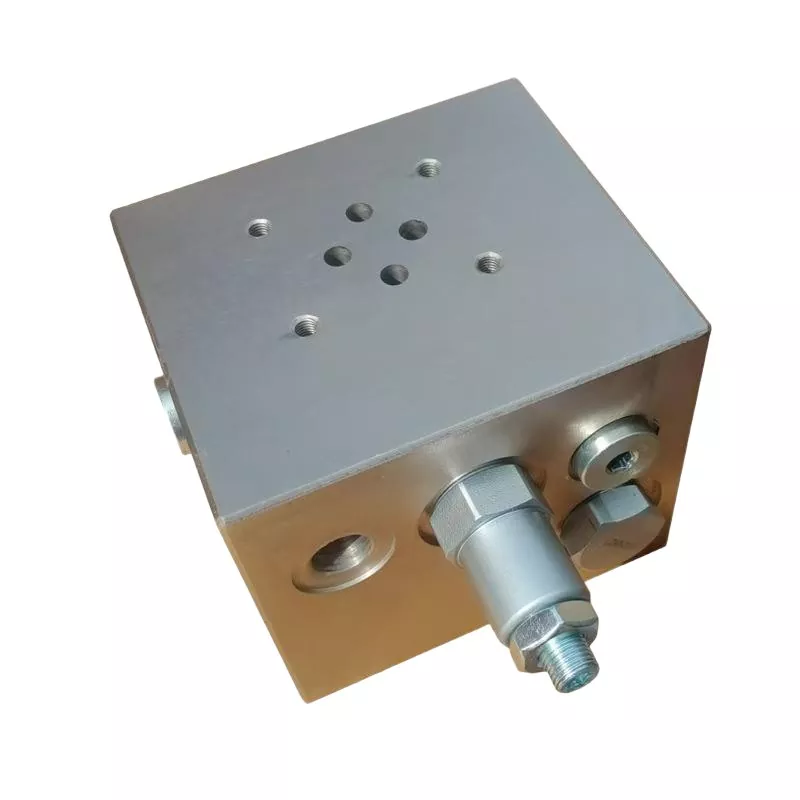
What Problems Does a Hydraulic Valve Block Solve in Real Applications?
In real-world hydraulic equipment, users often struggle with leakage, unstable pressure, slow response, or complex piping layouts. I have found that these problems usually trace back to poor flow integration rather than individual components. A properly engineered Hydraulic Valve Block integrates multiple valve functions into a compact body, reducing connection points and improving internal flow paths.
- Fewer external hoses and fittings mean lower leakage risk
- Optimized internal channels improve pressure stability
- Compact structure saves installation space
- Integrated design simplifies troubleshooting
How Does a Hydraulic Valve Block Improve System Efficiency?
From an efficiency standpoint, I always pay attention to pressure loss and response accuracy. A precision-machined Hydraulic Valve Block allows oil to flow through shorter, smoother channels. This directly reduces turbulence and unnecessary energy loss, especially in high-pressure or high-cycle systems.
| Design Aspect | Traditional Piping | Integrated Hydraulic Valve Block |
| Flow Path Length | Long and complex | Short and optimized |
| Leak Points | Multiple external connections | Significantly reduced |
| Pressure Loss | Higher and inconsistent | Lower and more stable |
| Maintenance | Time-consuming | More straightforward |
Why Is Precision Machining So Critical for a Hydraulic Valve Block?
I have learned that material choice and machining accuracy directly affect the service life of a Hydraulic Valve Block. Small deviations in bore alignment or surface finish can lead to internal leakage or valve sticking over time. High-precision CNC machining ensures tight tolerances, smooth internal surfaces, and consistent performance under pressure.
This is especially important for equipment operating continuously, such as industrial automation systems, mobile machinery, or hydraulic presses, where reliability is not optional.
Can a Customized Hydraulic Valve Block Reduce Long-Term Costs?
Many buyers initially focus on unit price, but I believe long-term cost matters more. A customized Hydraulic Valve Block designed specifically for an application can eliminate unnecessary components, reduce assembly labor, and lower failure rates. Over time, this translates into fewer shutdowns and lower maintenance expenses.
- Application-specific channel design improves control accuracy
- Customized layouts reduce redundant valves
- Better integration shortens system response time
- Lower failure rates reduce downtime costs
How Do You Choose the Right Hydraulic Valve Block Supplier?
When I evaluate suppliers, I look beyond drawings and samples. I pay attention to engineering support, material traceability, and the ability to understand real operating conditions. A reliable supplier of Hydraulic Valve Block solutions should be able to translate system requirements into functional designs, not just machine parts to spec.
This is where manufacturers with experience in precision machining and hydraulic integration, such as those behind advanced industrial and mobile systems, truly stand out.
Ready to Optimize Your Hydraulic System with the Right Hydraulic Valve Block?
If you are dealing with pressure instability, leakage, or inefficient layouts, it may be time to rethink how your system is integrated. A well-designed Hydraulic Valve Block can deliver measurable improvements in performance, reliability, and operating cost.
If you want to explore a solution tailored to your application, I recommend reaching out to an experienced manufacturer for technical discussion. Contact us today to leave your inquiry and start building a more efficient and reliable hydraulic system.
