Why Do Four Point Contact Ball Bearings Have a Higher Load Capacity Than Single Row Bearings
2026-02-26
When engineers evaluate rotary motion solutions, a common question arises regarding Four Point Contact Ball Bearings versus traditional single row alternatives. The superior performance of Four Point Contact Ball Bearings directly relates to their unique internal geometry and contact angle design. At BMT, we engineer these components to handle complex load scenarios that would quickly degrade standard bearing configurations.
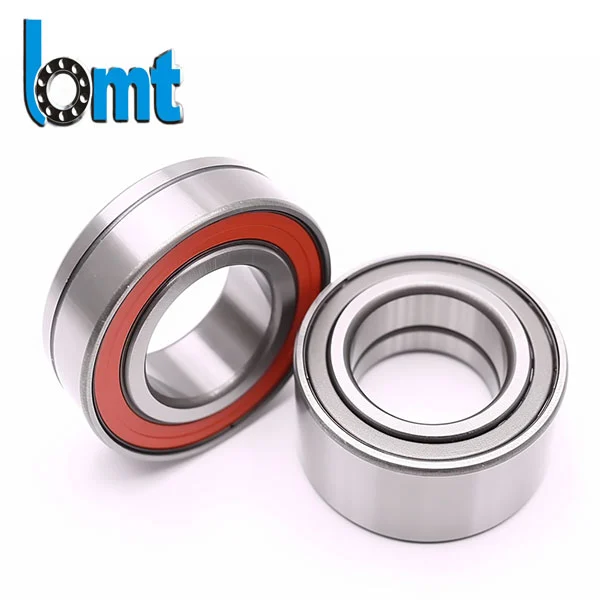
The Engineering Difference
Single row bearings typically accommodate loads through two points of contact. Four Point Contact Ball Bearings utilize a gothic arch raceway design that creates four distinct contact points between the balls and raceways. This configuration fundamentally changes how forces distribute throughout the bearing.
| Feature | Single Row Bearing | Four Point Contact Ball Bearing |
|---|---|---|
| Contact Points | 2 | 4 |
| Load Distribution | Linear | Multi-directional |
| Axial Load Capacity | Moderate | High |
| Radial Load Capacity | Moderate | High |
| Moment Load Handling | Limited | Excellent |
Load Distribution Mechanics
The higher load capacity of Four Point Contact Ball Bearings stems from:
-
Separated contact angles that create opposing force paths
-
Increased ball-to-raceway interface area reducing contact stress
-
Optimized internal clearance allowing simultaneous load sharing
-
Symmetrical design enabling pure axial load handling in both directions
Why Industries Choose This Configuration
Industrial applications demanding precision under heavy loads consistently specify Four Point Contact Ball Bearings because:
-
They eliminate the need for paired bearing arrangements
-
They reduce housing weight and machining requirements
-
They provide stiffness comparable to crossed roller bearings
-
They simplify lubrication pathways
Material and Manufacturing Considerations
BMT manufactures Four Point Contact Ball Bearings using advanced steel alloys and precision heat treatment processes. The raceway surfaces receive super-finishing treatments that enhance load capacity by improving film formation and reducing friction coefficients.
Common Applications
-
Robotics and automation systems
-
Wind turbine pitch controls
-
Medical imaging equipment
-
Construction machinery slewing rings
-
Packaging equipment
Four Point Contact Ball Bearings FAQ
What loads can Four Point Contact Ball Bearings support simultaneously?
Four Point Contact Ball Bearings excel at supporting combined radial, axial, and moment loads within a single bearing. The four-point contact geometry allows the bearing to handle thrust loads in both directions while maintaining radial load capacity. This multi-load capability makes them ideal for applications where space constraints prevent using multiple bearing arrangements. The contact angles, typically 35° or 45°, determine the exact load ratios the bearing can accommodate.
How does the gothic arch design improve load capacity compared to deep groove bearings?
The gothic arch raceway creates two distinct points of contact on each raceway instead of a single conformity arc. This design increases the effective contact ellipse area under load by approximately 30-40% compared to deep groove geometries. The improved conformity reduces Hertzian contact stresses, allowing Four Point Contact Ball Bearings to handle higher loads without premature fatigue. The design also maintains consistent contact angles under varying load conditions.
What maintenance considerations apply to Four Point Contact Ball Bearings?
Four Point Contact Ball Bearings require proper lubrication management due to their four distinct contact zones. Grease selection must account for the higher contact pressures and potential for sliding motion at the contact interfaces. Regular re-lubrication intervals should follow manufacturer specifications based on operating speeds and temperatures. When properly maintained, these bearings achieve service lives comparable to conventional bearings while handling significantly higher load spectrums.
Selecting Your Optimal Solution
Proper bearing selection requires analyzing your specific load conditions, speed requirements, and mounting configurations. BMT engineers can help you determine whether Four Point Contact Ball Bearings match your application demands.
Contact us today to discuss your bearing requirements with our technical team.