Why Choose Ductile Iron Pipe Fitting for Modern Pipeline Systems?
2026-01-16
Article Summary: This article explores the benefits, applications, and technical specifications of ductile iron pipe fittings. It addresses common customer challenges such as durability, corrosion, installation flexibility, and cost efficiency. Readers will gain insights into material properties, standards compliance, and practical use cases, helping them make informed decisions for water supply, industrial, and fire protection pipelines.
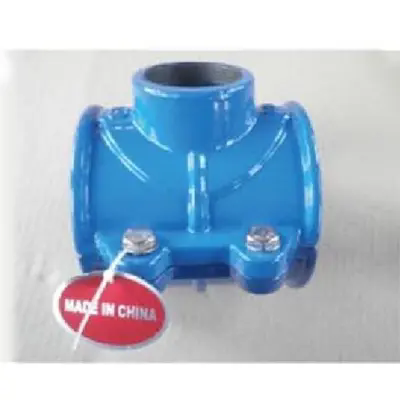
Table of Contents
- Overview of Ductile Iron Pipe Fittings
- Technical Specifications and Material Standards
- Key Advantages of Ductile Iron Pipe Fittings
- Applications in Various Industries
- Selection Guide: Choosing the Right Fitting
- Frequently Asked Questions
- Conclusion and Contact
Overview of Ductile Iron Pipe Fittings
Ductile iron pipe fittings are engineered components designed for connecting, diverting, and controlling fluid flow within ductile iron pipelines. Manufactured through advanced casting and machining processes, these fittings provide superior strength, longevity, and compatibility with ductile iron pipes (DIP).
Modern ductile iron fittings are widely used in municipal water supply systems, industrial pipelines, and fire protection networks due to their robustness and reliable performance in harsh environments. Their design accommodates a variety of joint types and ensures long-term service without frequent maintenance.
Technical Specifications and Material Standards
Ductile iron pipe fittings are made from magnesium-treated ductile iron (Grade 500-7), offering a tensile strength of up to 500 MPa. They comply with global standards such as ISO 2531, EN 545, and AWWA C110/C153, ensuring quality and international compatibility.
| Parameter | Specification |
|---|---|
| Material | Magnesium-treated Ductile Iron (Grade 500-7) |
| Tensile Strength | 500 MPa |
| Pressure Rating | PN10 to PN40 (1.0–4.0 MPa) |
| Exterior Protection | Hot-dip galvanized, optional epoxy coating |
| Interior Lining | Cement mortar or fusion-bonded epoxy (FBE) |
| Joint Types | Push-On (Tyton®), Mechanical (M/F), Flanged |
| Certifications | NSF/ANSI 61, WRAS, ACS, UL, FM Global |
Key Advantages of Ductile Iron Pipe Fittings
- Durability & Strength: Resistant to high pressure and mechanical stress, suitable for long-term service.
- Corrosion Resistance: Exterior galvanization and interior cement lining protect against rust and chemical attacks.
- Installation Flexibility: Multiple joint types allow quick assembly and adaptation to complex terrains.
- Cost Efficiency: Lifecycle costs are lower compared to stainless steel fittings due to minimal maintenance.
- Inventory Optimization: Pre-fabricated fittings reduce on-site modifications and installation time.
Applications in Various Industries
Ductile iron pipe fittings are versatile and suitable for multiple industries, providing reliable performance under diverse conditions.
| Industry | Use Cases |
|---|---|
| Water Supply | Pipeline networks in urban and desert regions; DN800 bends for terrain adaptability. |
| Oil & Gas | Offshore platforms, flange connections, and high-pressure pipeline systems. |
| Mining | Abrasion-resistant fittings for slurry transport, including ceramic-lined options. |
| Fire Protection | Grooved-end fittings for rapid deployment; UL/FM certified for safety. |
Selection Guide: Choosing the Right Fitting
Selecting the appropriate ductile iron pipe fitting requires consideration of the following factors:
- Pressure Rating: Ensure the fitting matches the pipeline’s operating pressure.
- Environment: Choose external coatings for corrosive or harsh environments.
- Joint Type: Determine installation requirements; push-on joints for quick assembly, mechanical or flanged for complex systems.
- Size Compatibility: Confirm diameter and connection standards align with existing pipelines.
- Certifications: Verify compliance with local and international safety standards.
Frequently Asked Questions
Q1: What is the lifespan of a ductile iron pipe fitting?
A1: Properly installed ductile iron pipe fittings can last over 50 years, depending on environmental conditions and maintenance practices.
Q2: Can ductile iron fittings be used for high-pressure pipelines?
A2: Yes, fittings are available with pressure ratings up to PN40 (4.0 MPa), suitable for high-pressure water, oil, and industrial pipelines.
Q3: How do ductile iron fittings prevent corrosion?
A3: Exterior galvanization, optional epoxy coatings, and interior cement lining or FBE prevent rust and extend service life in aggressive environments.
Q4: Are ductile iron fittings compatible with other pipe materials?
A4: They are compatible with various pipeline systems using adapters or flange connections, allowing integration with PVC, HDPE, and steel pipes.
Conclusion and Contact
Ductile iron pipe fittings offer unmatched durability, corrosion resistance, and installation flexibility for modern pipeline systems. By selecting fittings that meet global standards and suit specific project requirements, engineers and contractors can ensure long-lasting, cost-effective solutions.
Shandong Epoch Equipment Co., Ltd. provides high-quality ductile iron pipe fittings engineered for reliability and efficiency. For inquiries, quotes, or project consultations, contact us today to ensure your pipeline systems operate at peak performance.