

Why Choose a Wire Braid Hose for Hydraulic and Industrial Fluid Systems?
2026-01-23
Article Summary
Wire braid hose solutions are widely used in hydraulic and industrial fluid systems due to their balance of strength, flexibility, and reliability. This article outlines what wire braid hoses are, how they are constructed, their typical applications, key performance characteristics, selection guidelines, common challenges, and maintenance advice. By addressing common concerns and providing clear, structured insights, this article aims to help engineers, technicians, and procurement professionals make informed decisions when specifying wire braided hoses in demanding environments.
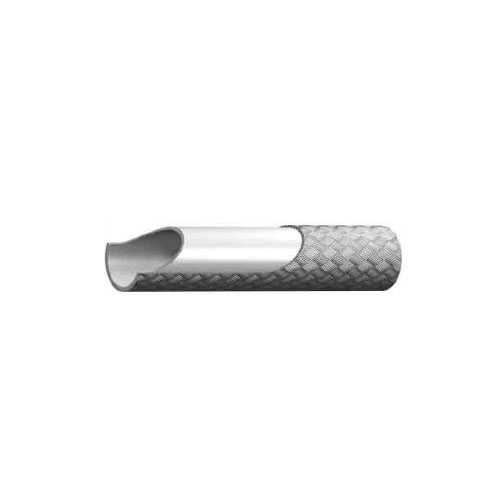
Table of Contents
- What Is a Wire Braid Hose?
- Construction and Reinforcement Explained
- Typical Applications and Use Cases
- How to Select the Right Wire Braid Hose
- Maintenance and Inspection Best Practices
- Frequently Asked Questions
- Conclusion and Contact Information
What Is a Wire Braid Hose?
A wire braid hose is a type of reinforced flexible hose designed to carry fluids under pressure within hydraulic and industrial systems. It consists of an inner tube made from rubber or synthetic elastomer, reinforced with one or more layers of high tensile steel wire braid, and covered with a protective outer jacket. The braided structure combines flexibility with strength, enabling the hose to withstand medium to high operating pressures while maintaining bendability and resistance to kinks. :contentReference[oaicite:0]{index=0}
Construction and Reinforcement Explained
Wire braid hoses typically incorporate one or two layers of braided steel wire reinforcement. Each layer consists of steel wires woven in a crisscross pattern around the hose’s inner tube. This reinforcement pattern enhances pressure resistance and flexibility simultaneously. :contentReference[oaicite:1]{index=1}
- Inner Tube: Oil- and fluid-resistant rubber or synthetic material designed to convey hydraulic fluid.
- Wire Braid Reinforcement: One or two layers of high-strength steel wires providing tensile strength, burst resistance, and shape retention under load.
- Outer Cover: Abrasion-resistant rubber or synthetic jacket that protects the braid and inner tube from environmental damage and wear.
This layered construction results in a hose capable of handling significant pressures while maintaining flexibility for routing through complex equipment layouts. :contentReference[oaicite:2]{index=2}
Typical Applications and Use Cases
Wire braid hoses are used across a wide range of industries and fluid system designs. Typical applications include: :contentReference[oaicite:3]{index=3}
- Hydraulic Machinery: Mobile equipment, lifts, excavators, and industrial presses.
- Construction Equipment: Loaders, backhoes, cranes, and other medium-pressure systems.
- Agriculture: Tractor hydraulics and irrigation fluid conveyance.
- Manufacturing Plants: Automated machinery requiring reliable fluid conveyance under dynamic pressures.
- General Industrial Fluids: Petroleum-based fluids, water emulsions, and lubrication systems with moderate pressure requirements.
How to Select the Right Wire Braid Hose
Selecting the appropriate wire braid hose requires evaluation of several key factors that directly impact performance and lifespan in service. Consider the following: :contentReference[oaicite:4]{index=4}
| Selection Factor | Consideration |
|---|---|
| Pressure Rating | Ensure the hose working pressure matches or exceeds system operating pressure. |
| Temperature Range | Verify compatibility with expected fluid and ambient temperature ranges. |
| Fluid Type | Select inner tube material suitable for fluids being conveyed (e.g., hydraulic oil, water emulsion). |
| Bend Radius | Choose hose with a bend radius that accommodates routing without kinks. |
| Environmental Exposure | Assess outer cover resistance to abrasion, chemicals, UV, and weathering. |
Taking these factors into account helps prevent premature hose failure and reduces operational downtime due to hose replacements.
Maintenance and Inspection Best Practices
Regular maintenance and inspection help extend the service life of wire braid hoses and ensure safe operation. Recommended practices include: :contentReference[oaicite:5]{index=5}
- Periodic visual inspections for cuts, abrasions, or signs of wear.
- Check for bulging or changes in hose diameter that may indicate internal damage.
- Ensure fittings and clamps are secure and free from corrosion.
- Replace hoses showing significant surface cracking or degradation.
Early detection of hose deterioration reduces the risk of fluid leaks, system downtime, and potential safety hazards in hydraulic and fluid transfer systems.
Frequently Asked Questions
Q: What pressure levels can wire braid hoses typically handle?
A: Wire braid hoses are designed for medium to high pressure systems. With one or two layers of steel braid, they can safely transmit hydraulic fluids at pressures ranging from several hundred to several thousand PSI, depending on design specifications and diameter. :contentReference[oaicite:6]{index=6}
Q: How long do wire braid hoses last in industrial environments?
A: Lifespan varies with operating conditions, fluid type, ambient temperature, and mechanical stress. Regular inspection and proper selection based on application conditions help ensure extended service life and reduced risk of in-service failures. :contentReference[oaicite:7]{index=7}
Q: Can wire braid hoses bend around tight corners?
A: Yes. The braided reinforcement allows for a relatively tight bend radius when compared to rigid pipes. However, exceeding the recommended bend radius can lead to internal damage and premature wear. :contentReference[oaicite:8]{index=8}
Q: What causes wire braid hose failure?
A: Common causes include abrasion of the outer cover, improper routing causing kinks, exposure to incompatible fluids, and temperature extremes that exceed design specifications. Routine inspection is critical to mitigating these issues. :contentReference[oaicite:9]{index=9}
Conclusion and Contact Information
Wire braid hoses offer a practical solution for many fluid conveyance challenges in hydraulic systems and industrial equipment. Their combination of strength, flexibility, and adaptability makes them suitable for a range of applications, provided that selection and maintenance are properly managed. When specified correctly, wire braid hoses can enhance operational reliability and reduce system disruptions.
As a dedicated provider of high-performance fluid conveyance solutions, Wayfong offers a wide selection of wire braid hose products engineered to meet diverse industry requirements. Whether the application involves medium-pressure hydraulics or general industrial fluid transfer, Wayfong’s product range supports robust, reliable performance.
