Why Are Truck Tire Valves Shaping the Next Generation of Heavy-Duty Performance?
2025-12-04
Truck tire valves serve as the critical interface that allows controlled inflation, pressure retention, and consistent monitoring of truck tires—components essential for logistics fleets, long-haul transport, construction vehicles, and agricultural machinery. As heavy-duty transportation continues to expand, the performance demands placed on tire systems rise accordingly.
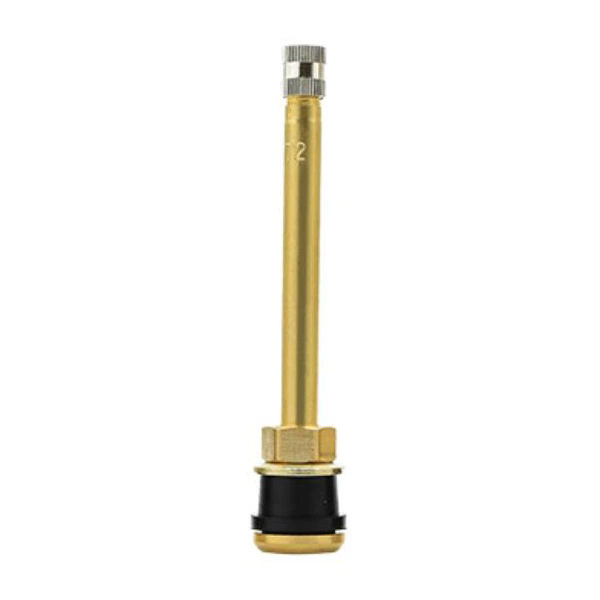
With trucks carrying heavier loads, operating across longer distances, and facing harsher terrains, the durability of a tire valve directly affects pressure stability, fuel efficiency, tire wear, and vehicle uptime. High-quality truck tire valves—built from brass, steel, and heat-resistant rubber—must withstand extreme temperatures, high internal pressure, and exposure to road debris.
How Do Truck Tire Valves Work and Why Do They Matter in Tire Pressure Retention?
A truck tire valve is engineered as a precision pressure-control mechanism designed to seal the tire chamber and allow accurate inflation and deflation during service. The valve core, housing, cap, and rubber base work together to prevent air leakage even under intense mechanical stress. Understanding how each component functions helps clarify how these valves contribute to stable tire pressure and road safety.
Core Functional Principles
-
Airflow Control:
The valve core opens when a tool or inflator applies pressure to the pin, allowing air in or out. Once removed, an internal spring snaps the valve core shut to prevent leakage. -
Pressure Sealing:
Rubber grommets and metal bodies create a tight seal against the rim, preventing micro-leaks caused by vibration or temperature changes. -
Thermal and Mechanical Resistance:
Truck operations expose valve stems to braking-heat, sunlight, winter temperatures, and road contaminants. High-quality valves maintain flexibility and sealing force under these fluctuations. -
Load and Vibration Management:
Heavy-duty trucks generate strong wheel vibrations. Valves must withstand repeated oscillation without loosening or cracking.
Why Pressure Matters in Truck Operations
-
Incorrect pressure increases rolling resistance, causing higher fuel consumption.
-
Under-inflation raises tire temperature, leading to accelerated wear.
-
Over-inflation reduces contact area, causing unstable handling.
-
Stable tire pressure can extend tire lifespan by 15% to 30% in fleet testing environments.
-
Proper valve function reduces downtime from unexpected air loss or tire blowouts.
Technical Specifications Overview
Below is a professional comparison of key parameters found in high-performance truck tire valves:
| Parameter | Typical Range / Material | Functionality Notes |
|---|---|---|
| Material Body | Brass, nickel-plated brass, steel | Provides structural strength and corrosion resistance |
| Rubber Base | High-temperature EPDM / natural rubber | Ensures airtight rim sealing |
| Working Pressure | 100–200 PSI depending on model | Supports heavy-duty truck tire requirements |
| Temperature Resistance | –40°C to +120°C | Suitable for long-haul and industrial operations |
| Valve Length | 38–80 mm | Chosen based on wheel depth and accessibility |
| Valve Core Standard | ISO/SAE compliant cores | Ensures international interchangeability |
| Cap Type | Plastic, brass, double-seal metal | Adds secondary layer of leak protection |
These specifications highlight how precise engineering ensures reliable valve performance under demanding conditions.
What Advantages Do High-Quality Truck Tire Valves Bring to Commercial Fleet Operations?
The performance of a fleet is heavily influenced by uptime, tire wear, and fuel efficiency. High-quality truck tire valves offer measurable advantages in daily operations, especially for logistics fleets and heavy-transport industries.
Key Performance Advantages
1. Enhanced Air Retention
Improved sealing structures reduce gradual air loss, helping maintain consistent pressure over extended operations. This stability lowers the risk of overheating and unexpected tire failures.
2. Fuel Efficiency Optimization
Maintaining accurate tire pressure minimizes rolling resistance. Fleets can experience improved fuel economy, lowering operational costs across thousands of miles.
3. Longer Tire Lifespan
Proper pressure reduces irregular tread wear patterns such as cupping and shoulder wear. This extends tire replacement cycles and reduces waste.
4. Reduced Maintenance Downtime
Reliable valves reduce the frequency of pressure checks, leak inspections, and roadside repairs. For long-distance fleets, fewer stoppages can significantly improve delivery reliability.
5. Compatibility with TPMS (Tire Pressure Monitoring Systems)
As TPMS becomes standard in heavy-duty vehicles, valves must support sensors without leakage or signal disruption. Many modern valve designs integrate seamlessly with internal or external TPMS systems.
6. Corrosion-Resistant Construction
Nickel-plated or anodized metal bodies resist corrosion caused by road salt, moisture, and dirt. This ensures stable long-term performance, especially in winter environments.
7. Safety Improvement Across All Terrains
Mountainous regions, construction sites, and high-temperature highways challenge tire systems. Valves designed for rugged environments help maintain stable tire performance across varying conditions.
8. Cost Advantages for Large Fleets
Optimized tire pressure management directly translates into lower:
-
Tire replacement costs
-
Fuel expenses
-
Maintenance labor hours
-
Emergency repair incidents
In industries where margins are tight, valve quality has direct financial implications.
How Is the Truck Tire Valve Industry Evolving and What Trends Are Driving the Future of Heavy-Duty Tire Systems?
The truck tire valve industry is undergoing upgrades in materials, manufacturing precision, and integration with smart technologies. As global trucking expands, new engineering trends are shaping performance expectations.
Emerging Trends
1. Integration With Advanced TPMS Systems
More fleets are adopting intelligent tire monitoring systems that transmit real-time pressure and temperature data. Valves must be compatible with sensor mounting, signal stability, and airtight integrity.
2. Shift Toward Corrosion-Proof Coatings
Nickel plating, anti-rust layers, and reinforced alloys are becoming standard to resist chemical exposure and moisture damage. These coatings extend valve lifespan significantly.
3. Heavy-Duty and Extra-Long Valve Designs
Wheels on mining trucks and heavy-construction vehicles require extended valve lengths to allow easier access during servicing. Manufacturers are creating reinforced elongated valves to meet this need.
4. Sustainable Materials and Manufacturing
Environmental regulations are promoting the use of durable, recyclable metals and low-waste production processes. Improved material strength also reduces the frequency of replacements.
5. Higher Pressure and Temperature Standards
Electric trucks and high-efficiency tires generate more heat than traditional systems, driving demand for valves capable of handling higher thermal loads.
6. Customizable Valve Solutions
Manufacturers increasingly offer tailor-made valve lengths, rubber bases, and pressure ratings to meet specialized vehicle requirements, improving overall operational compatibility.
Frequently Asked Questions About Truck Tire Valves
Q1: How often should truck tire valves be replaced?
A: Truck tire valves should typically be replaced every time new tires are mounted. This ensures fresh sealing components and minimizes the risk of hidden cracks or rubber fatigue. For long-haul fleets, valves may also require replacement if corrosion, air leakage, or structural damage is detected during inspections.
Q2: Can truck tire valves withstand high braking temperatures?
A: Yes. High-quality valves are engineered with heat-resistant rubber bases and metal bodies that remain stable even under significant thermal stress generated by prolonged braking on highways or downhill grades. Temperature-resistant EPDM rubber and plated metal surfaces maintain sealing performance across extreme environments.
How Can Reliable Truck Tire Valves Strengthen Long-Term Fleet Performance?
Reliable truck tire valves support stable pressure, enhance fuel efficiency, and extend tire lifespan—key factors that influence the operational success of logistics fleets, construction vehicles, agricultural equipment, and heavy-duty trucks. As the industry moves toward smart monitoring systems, advanced coatings, and more customizable designs, the importance of durable, precision-engineered valve solutions continues to grow.
For fleets seeking dependable and high-performance truck tire valves, Ningbo Haishu Yinping Auto Parts Co., Ltd. offers a range of durable, precision-manufactured products designed for heavy-duty applications. To explore product specifications, request customized solutions, or discuss distribution opportunities, contact us to receive professional assistance and detailed technical support.