Why Are Roofing Screws Becoming the Preferred Fastening Solution for Modern Roof Systems?
2025-11-19
Roofing screws are specialized fasteners designed to securely fix metal roofing sheets, tiles, shingles, and insulation panels onto underlying structural frames. Their engineering focuses on durability, load-bearing stability, corrosion resistance, and long-term weather tolerance. As building standards continue to emphasize wind performance, water resistance, and structural longevity, roofing screws play an essential role in ensuring that roof installations remain firm, safe, and resistant to environmental stresses.
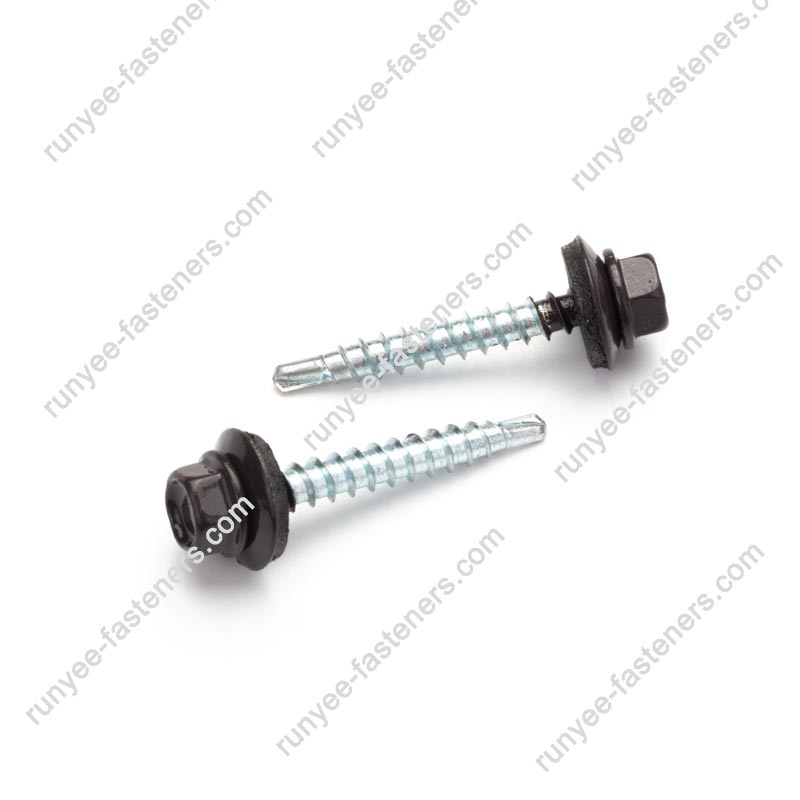
Key Product Parameters (Reference Table)
| Parameter Category | Specification Detail |
|---|---|
| Material Options | Carbon steel, stainless steel (304/316), alloy steel |
| Surface Coating | Zinc plating, hot-dip galvanization, dacromet, epoxy coating |
| Thread Types | Self-tapping, self-drilling, coarse thread, fine thread |
| Head Types | Hex head, pan head, countersunk head, washer-head |
| Washer Type | EPDM bonded washer for waterproof sealing |
| Length Range | 16 mm – 200 mm |
| Diameter Range | commonly 4.2mm / 4.8mm / 5.5mm / 6.3mm |
| Driving System | Hex driver, Phillips, Pozi, Torx |
| Typical Applications | Metal roofing, tile roofing, exterior wall panels |
These parameters reflect the technical precision required in modern construction and highlight the product’s professional-grade engineering.
Why Are Roofing Screws Widely Used and What Advantages Do They Offer?
Why roofing screws outperform traditional nails
In modern building construction, roofing screws are increasingly chosen over nails because they offer superior holding power, stability under dynamic loads, and resistance against uplift and vibration. Unlike nails that can loosen over time due to temperature expansion, roofing screws grip the substrate firmly with threaded engagement, ensuring the roofing sheets stay in place during storms, strong winds, or structural shifts.
Key Advantages
1. Enhanced Structural Stability
Roofing screws create a mechanical lock between roofing sheets and structural frames. Their threads distribute stress throughout the substrate instead of relying solely on friction — reducing loosening and extending the roof’s operational lifespan.
2. Stronger Weather and Wind Resistance
Modern roofing screws are engineered for environments experiencing strong wind uplift or thermal expansion. The EPDM gasket prevents water ingress and provides long-term leak-proof protection.
3. Superior Corrosion Resistance
Depending on the coating, roofing screws can resist moisture, salt, acid rain, and UV exposure. Hot-dip galvanized and stainless-steel screws are widely used in coastal, humid, or industrial regions due to their extended corrosion resistance.
4. Higher Installation Efficiency
Self-drilling roofing screws eliminate the need for pre-drilled holes, significantly reducing installation time and labor costs. They provide consistency across large-scale roofing projects.
5. Reduced Long-Term Maintenance
The anti-loosening design ensures long-term stability, minimizing the need for repairs and tightening — a major advantage for property owners seeking low-maintenance solutions.
How Do Roofing Screws Function Within Different Roofing Systems?
Roofing screws play varied roles depending on the specific type of roofing system. Their selection must consider roof material, load requirements, environmental exposure, and structure type.
How the self-drilling feature supports installation
The integrated drill point cuts through metal sheets and underlying substrates, eliminating preparation steps. This ensures:
-
Faster penetration
-
Reduced cracking in roofing materials
-
Lower risk of sheet deformation
-
Consistent alignment during fastening
How EPDM washers protect against water leakage
The bonded EPDM washer compresses when tightened, forming a watertight seal. EPDM is a high-grade rubber that remains stable under:
-
UV exposure
-
Heat variation
-
Snow and ice
-
Acidic rain
This makes it ideal for long-term outdoor sealing.
How different coatings enhance durability
Various surface treatments affect corrosion resistance:
-
Zinc plating: Good for standard environments
-
Hot-dip galvanization: Thick zinc layer for harsh climates
-
Dacromet: Anti-corrosion coating with heat-resistance
-
Epoxy coating: Adds a protective barrier layer
How roofing screws adapt to multiple construction materials
These screws are compatible with:
-
Metal panels
-
PVC roofing sheets
-
Asphalt shingles (with specific designs)
-
Wood frames
-
Light steel frameworks
Their versatility contributes to widespread application across residential, commercial, and industrial projects.
What Future Trends Will Influence Roofing Screw Development and Global Demand?
The global construction sector is moving toward higher structural standards as climate patterns become more extreme. Roofing screws are evolving accordingly.
1. Increased demand for high-corrosion-resistance materials
Coastal construction, chemical plants, and high-moisture regions require screws that survive decades of exposure. Stainless-steel 316 and advanced composite coatings are expected to dominate future product lines.
2. Growth of smart construction and precision fastening
Construction sites increasingly adopt automated roofing screw fastening systems. This trend requires:
-
Ultra-consistent screw dimensions
-
Optimized thread geometry
-
Uniform hardness
These advancements improve precision and reduce installation errors.
3. Rising market preference for energy-efficient buildings
Roofing screws compatible with insulated panels, reflective roofs, and high-performance roofing systems will become more prominent.
4. Expansion of modular and prefabricated building structures
Prefabricated components require fastening systems that are:
-
Fast to install
-
Stronger under transport vibration
-
Flexible across structural types
Roofing screws align perfectly with these needs.
5. Global shift toward sustainable and long-life materials
Longevity reduces environmental impact, making corrosion-resistant roofing screws aligned with sustainability goals.
Common Roofing Screw FAQs (Q&A Format)
Q1: What type of roofing screw is recommended for coastal or high-moisture environments?
A1: Stainless-steel roofing screws, especially 304 or 316 grades, provide the highest resistance against corrosion and salt exposure. Hot-dip galvanized screws with a thick zinc layer are also suitable for environments with moderate moisture, but stainless steel remains superior for long-term durability.
Q2: Why does the EPDM washer matter in roofing screw installations?
A2: The EPDM washer forms a watertight seal when the screw is tightened. It prevents rainwater from seeping into the roofing panel, protects against leaks, and maintains elasticity under UV exposure and temperature changes. It is crucial for ensuring long-term waterproof performance.
Q3: How to choose the correct screw length for roofing installations?
A3: The screw length must exceed the combined thickness of the roofing sheet and the underlying substrate to ensure full thread engagement. Typically, at least three full threads should penetrate the base material for maximum holding power. Overly short screws weaken structural stability, while overly long screws may protrude unnecessarily.
How Roofing Screws Define the Future of Reliable Roofing Systems
Roofing screws have evolved into a vital component of modern construction due to their stability, waterproof sealing capability, corrosion resistance, and long-term performance. Their role extends beyond simple fastening — they determine the longevity and safety of roof structures in various environmental conditions.
As roof designs continue to prioritize efficiency, durability, and structural resilience, the demand for high-performance roofing screws will continue to grow. With advanced materials, improved coatings, and evolving thread designs, roofing screws are positioned to remain the preferred fastening solution in the global construction industry.
In the final stage of a large roofing project, selecting high-quality roofing screws ensures long-term security and reliability. RUNYEE factory provides professional-grade roofing screws engineered for durability, weather resistance, and consistent performance. For customized specifications or further technical consultation, contact us to learn more about suitable solutions for your roofing requirements.