Why Are Copper Sleeves Transforming Modern Machinery Performance?
2025-12-04
Copper sleeves—also known as copper bushings—serve as critical components across mechanical systems, providing friction reduction, load support, and heat dissipation. Their reliability stems from the natural material advantages of copper, including high thermal conductivity, anti-friction properties, and excellent deformation resistance. This article examines how copper sleeves work, why industries increasingly rely on them, and what future developments may shape their applications. It also explores key performance parameters, common user questions, and market considerations. The goal is to clarify how copper sleeves contribute to machinery longevity, consistent operation, and optimized performance, especially in demanding environments.
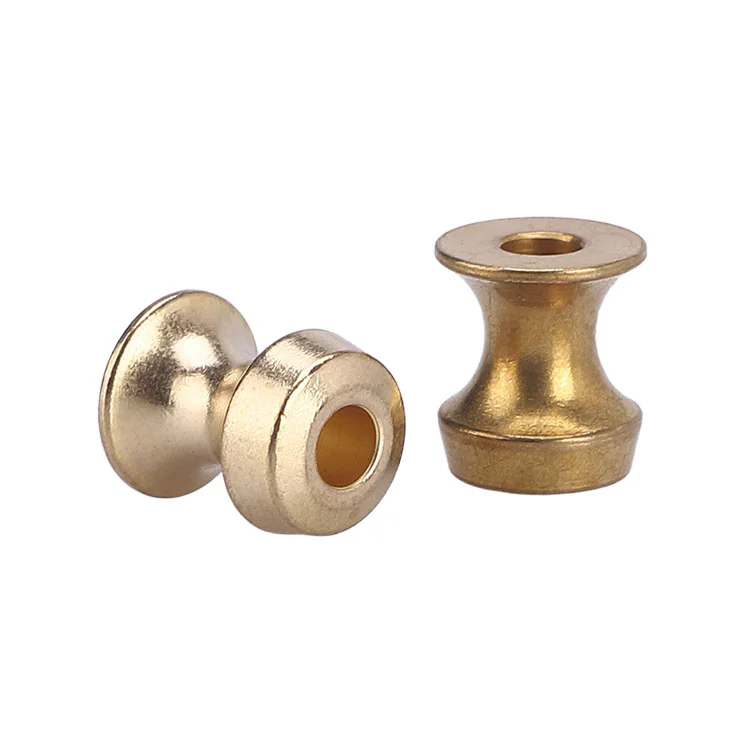
Modern industries—from automotive manufacturing to heavy machinery, marine engineering, electronics, and energy systems—depend on sliding components that require consistent lubrication and stable contact surfaces. Copper sleeves serve as the intermediary bearing layer that ensures smooth motion, reduces wear, and stabilizes shafts or rotating parts. As global manufacturing pushes toward higher efficiency, extended service life, and reduced maintenance downtime, copper sleeves continue to gain prominence due to their durability and adaptability.
Below is a concise overview of typical product specifications that reflect the high-level engineering capability behind well-manufactured copper sleeves.
Product Specifications Table
| Attribute | Description |
|---|---|
| Material | High-purity copper, copper alloys (e.g., bronze, brass), customized alloy grades available |
| Hardness | 50–90 HB depending on alloy and treatment |
| Tensile Strength | 200–450 MPa |
| Thermal Conductivity | 200–390 W/m·K based on copper grade |
| Operating Temperature | –100°C to 300°C (can vary with lubrication and alloy) |
| Friction Coefficient | Low friction, stable under boundary lubrication |
| Inner Diameter Range | Customizable, typically 5 mm–500 mm |
| Outer Diameter Range | Customizable, typically 10 mm–600 mm |
| Wall Thickness | Standard options from 1 mm–50 mm; custom available |
| Manufacturing Process | Casting, machining, centrifugal casting, forging (depending on application) |
| Applications | Automotive engines, hydraulic systems, pumping equipment, industrial motors, marine systems, aerospace fixtures |
How Do Copper Sleeves Improve Machine Performance and Reduce Wear?
Copper sleeves operate as sliding bearings designed to support rotating or oscillating shafts. Their effectiveness comes from several mechanisms:
High Thermal Conductivity
Copper dissipates heat rapidly, preventing frictional heat buildup. This lowers the risk of equipment deformation, lubricant degradation, or shaft scoring—common problems in high-speed machinery.
Excellent Conformability
Copper alloys deform slightly under load without cracking. This ensures a smooth fit between the shaft and the sleeve, distributing pressure evenly and preventing premature wear.
Natural Anti-Seizing Performance
Copper’s inherent lubricity minimizes metal-to-metal adhesion, reducing risks of seizure during overload or poor lubrication conditions.
Low Maintenance Requirements
Compared with rolling bearings, copper sleeves offer simpler structure, easier installation, and lower lubrication needs. In dusty, wet, or contaminated environments, sliding sleeves often outperform rolling bearings due to their tolerance of imperfect working conditions.
Vibration and Shock Absorption
Copper sleeves provide damping characteristics that protect rotating components from vibration-induced fatigue.
All these characteristics jointly explain why copper sleeves remain a core element of mechanical motion systems even as industries adopt more automated and precision-driven production environments.
Why Are Copper Sleeves Increasingly Favored Across Key Sectors?
Automotive and Transportation
High-load, high-temperature components such as engine assemblies, suspension systems, and steering modules benefit from copper sleeves’ thermal stability and wear resistance. As the automotive sector adopts electrification, copper sleeves also appear in motors, gear reducers, and cooling pump systems.
Industrial Machinery
Heavy-duty machinery must run continuously under harsh conditions. Copper sleeves are valued for their ability to handle large radial loads and resist contamination.
Aerospace Components
In aerospace applications, reducing friction and maintaining dimensional stability are critical. Copper alloy sleeves serve in actuators, turbines, and landing gear shock absorption systems.
Energy and Power Equipment
Copper sleeves are integrated into wind turbine gearboxes, hydroelectric generators, and oil rig mechanisms due to their high compressive strength and stability in extreme temperatures.
Marine Systems
Saltwater environments demand corrosion-resistant materials. Certain copper alloys excel in marine propulsion and pump components thanks to their resistance to seawater erosion.
What Trends Are Shaping the Future of Copper Sleeve Technology?
Advanced Alloy Formulations
Future copper sleeves will incorporate alloys with enhanced hardness, fatigue resistance, and self-lubricating capabilities. Tin bronze, aluminum bronze, and lead-free eco-bronze are gaining adoption.
Surface Engineering Enhancements
Surface treatments such as precision grooving, micro-texturing, graphite embedding, and diamond-like carbon coatings are elevating sleeve lubrication performance.
Integration with Smart Monitoring Systems
Industries are adopting sensors that monitor temperature, vibration, and friction. Copper sleeves used in key assemblies may integrate or coexist with digital monitoring to optimize maintenance cycles.
Sustainability Demand
Copper is recyclable, making copper sleeves an attractive choice as industries push toward environmentally conscious materials.
Precision Manufacturing
CNC machining, centrifugal casting accuracy, and better alloy purity improve structural uniformity, reducing failure rates and ensuring stability in high-speed machinery.
Frequently Asked Questions (Two Detailed Q&A)
Q1: How does a copper sleeve compare with a traditional rolling bearing in terms of lifespan and maintenance?
A1: Copper sleeves often outperform rolling bearings in dirty, high-load, or high-temperature environments. While rolling bearings require consistent lubrication and precise alignment, copper sleeves tolerate imperfect lubrication and contamination better. Their large contact area distributes load more evenly, reducing localized wear. In high-shock settings, copper sleeves provide superior damping characteristics. However, in high-speed precision applications, rolling bearings may achieve longer lifespan if well-lubricated. Selecting between the two depends on load, speed, temperature, and environmental conditions.
Q2: Why do copper sleeves remain stable even when lubrication is temporarily insufficient?
A2: Copper and its alloys possess inherent anti-seizing and low-friction properties. When lubrication becomes insufficient, the sleeve’s surface generates a temporary protective layer due to copper’s chemical behavior under frictional heat. This prevents metal-to-metal welding and reduces sudden failure. Additionally, many copper alloys include tin, aluminum, or phosphorus, which improve wear resistance during boundary lubrication. This characteristic makes copper sleeves ideal for equipment operating in heavy-duty or stop-start conditions.
How Premium Manufacturing Enhances Long-Term Reliability and Where to Find Quality Copper Sleeves
Choosing a high-grade copper sleeve brings significant benefits: reduced downtime, smoother operation, lower noise, and improved system lifespan. Advanced production methods such as centrifugal casting or precision CNC machining ensure dimensional accuracy and uniform alloy distribution. Applications across automotive, aerospace, marine, industrial machinery, and renewable energy equipment rely on quality copper sleeves because they directly influence equipment stability and performance consistency. As industries evolve toward longer-lasting components, digital monitoring, and environmentally conscious operations, copper sleeves will continue to be an integral part of mechanical engineering.
For organizations seeking premium copper sleeves that meet strict technical criteria, Gaxis supplies high-performance copper sleeves with customizable dimensions, precision machining, and reliable material quality. To discuss specifications, request detailed parameters, or explore tailored solutions for your equipment, contact us to learn more about how Gaxis can support your mechanical system needs.