Why Are Buyers Rethinking Quality Standards for Pump Part and Pipe Fitting Casting?
2026-01-28
When I first started working closely with manufacturers and project contractors, I noticed a recurring concern that kept coming up in conversations about Pump Part and Pipe Fitting Casting. Many buyers were not just worried about price; they were far more concerned about long-term reliability, dimensional accuracy, and whether the components would truly perform under pressure. That is exactly where Losier Technology Co., Ltd. gradually entered my field of view, not as a loud brand presence, but as a quiet, steady solution provider that understood how casting quality directly affects pump efficiency and pipeline safety.
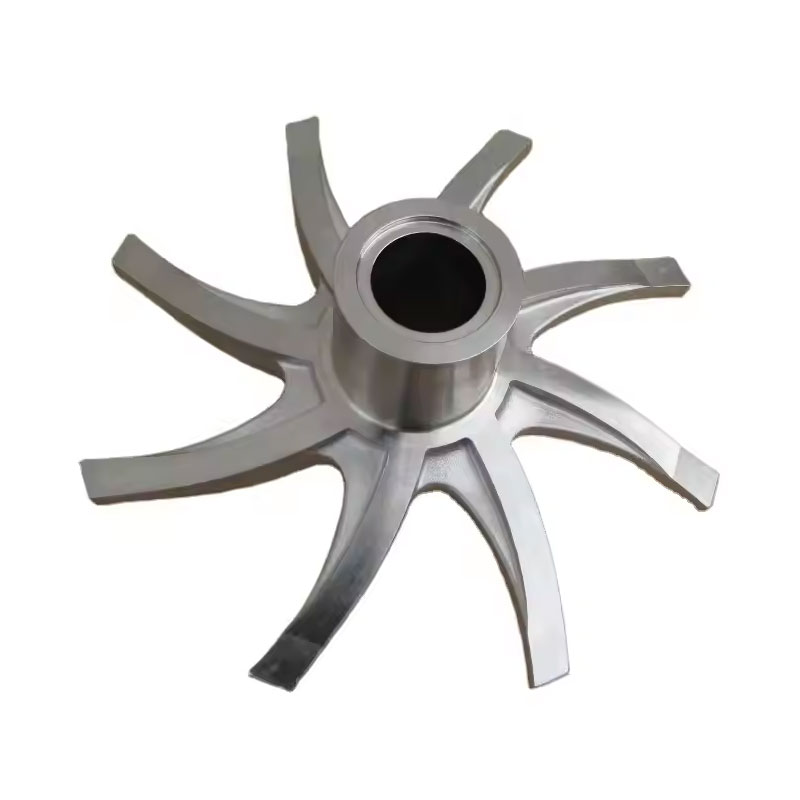
What Makes Pump Part and Pipe Fitting Casting a Critical Choice for System Performance?
From my experience, Pump Part and Pipe Fitting Casting is never an isolated purchase. These components sit at the core of fluid systems, and even minor defects can lead to leakage, vibration, or premature wear. I have seen projects delayed simply because castings failed dimensional checks or could not withstand operating pressure. Choosing the right casting process and material is often the difference between smooth operation and costly downtime.
- Stable wall thickness reduces internal stress during operation
- Precise tolerances improve sealing performance
- Consistent metallurgy enhances corrosion resistance
- Surface integrity lowers friction losses inside the system
How Does Pump Part and Pipe Fitting Casting Solve Common Buyer Pain Points?
Buyers often tell me their biggest frustration is inconsistency between batches. With Pump Part and Pipe Fitting Casting, poor process control can mean rework, rejection, or even safety risks. What stands out to me is how experienced casting suppliers address these pain points through controlled molding, standardized inspection, and traceable production records. This approach turns casting from a risk factor into a dependable foundation for pumps and piping assemblies.
| Buyer Concern | Impact on System | Practical Casting Solution |
|---|---|---|
| Porosity | Leakage and pressure loss | Optimized gating and degassing control |
| Dimensional deviation | Assembly mismatch | Precision pattern design and machining allowance |
| Material inconsistency | Shortened service life | Chemical composition testing per batch |
Why Is Material Selection So Important in Pump Part and Pipe Fitting Casting?
In my view, material choice defines how Pump Part and Pipe Fitting Casting performs in real working conditions. Different applications demand different alloys, whether the focus is corrosion resistance, wear strength, or thermal stability. When casting is aligned with the actual operating environment, the result is not just compliance with drawings, but long-term operational confidence.
- Gray iron for vibration damping and cost efficiency
- Ductile iron for higher strength and impact resistance
- Carbon steel for pressure-bearing components
- Alloy steel for demanding temperature or chemical exposure
How Does Process Control Improve Pump Part and Pipe Fitting Casting Reliability?
One lesson I have learned is that Pump Part and Pipe Fitting Casting quality is built into the process, not inspected in afterward. Controlled molding, monitored pouring temperatures, and systematic inspections all contribute to consistent output. When these steps are taken seriously, buyers gain predictability, which is essential for large-scale or repeat projects.
This level of discipline is particularly valuable for OEMs and distributors who rely on stable supply chains. A reliable casting partner helps reduce inventory risk, rework costs, and after-sales complaints.
What Should You Look for Before Choosing a Pump Part and Pipe Fitting Casting Supplier?
When I evaluate a supplier for Pump Part and Pipe Fitting Casting, I focus less on marketing claims and more on practical capabilities. Clear communication, engineering support, and inspection transparency matter far more than generic promises. A supplier who understands application requirements can adapt casting solutions instead of forcing standard parts into unsuitable conditions.
- Ability to customize drawings and tolerances
- In-house inspection and testing facilities
- Experience across pump and pipeline applications
- Stable production capacity for long-term cooperation
Are You Ready to Improve Your Pump Part and Pipe Fitting Casting Results?
If you are facing challenges with durability, consistency, or lead time, it may be time to rethink how you source Pump Part and Pipe Fitting Casting. I believe that the right casting approach not only solves immediate technical issues but also strengthens the entire project lifecycle. If you want to discuss your application or explore tailored solutions, please contact us today and let us help you move forward with confidence.