Where Are Vehicle Restraint Systems Most Commonly Required on Roads
2025-12-09
When it comes to highway and road safety, one critical component often works silently in the background: the Vehicle Restraint system. These are not just simple barriers; they are engineered lifesaving systems designed to contain, redirect, or stop errant vehicles, preventing catastrophic crossovers and falls. As a leader in roadside safety solutions, Yueruis designs and manufactures high-performance Vehicle Restraint systems tailored for the most demanding locations. Understanding where these systems are mandatory is key for engineers, contractors, and road authorities committed to public safety.
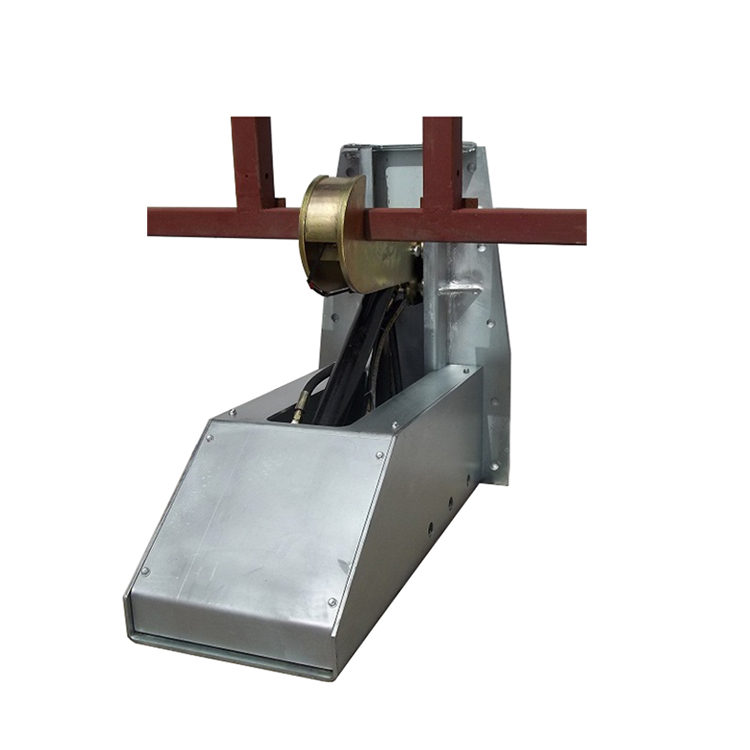
High-Risk Locations Mandating Vehicle Restraint Systems
Vehicle Restraint systems from Yueruis are most critically required in areas where the consequences of a vehicle leaving its lane are severe. These include:
-
Bridge Ends and Overpasses: To prevent vehicles from plunging off the structure.
-
Medians on High-Speed Highways: Especially on curves or with opposing traffic, to stop cross-median collisions.
-
Work Zones: Creating a protected buffer between workers and live traffic.
-
Slopes and Embankments: Where a vehicle could overturn or gain dangerous momentum.
-
Areas with Roadside Hazards: Such as deep ditches, bodies of water, or fixed objects like utility poles close to the road.
Engineered for Maximum Safety: Key Parameters of Yueruis Systems
Yueruis systems are crash-tested to international standards (EN 1317, MASH) and are defined by precise performance parameters. Our flagship Yueruis Vehicle Restraint product line, the Guardian Series, offers superior containment.
Key Product Parameters:
-
Containment Level: High (H2) to Very High (H4b), capable of safely redirecting heavy goods vehicles.
-
Working Width (W): <1.5 meters, minimizing the space required behind the barrier.
-
Dynamic Deflection (D): Class-specific, allowing controlled deformation to absorb impact energy.
-
Construction: Galvanized steel components for exceptional corrosion resistance.
-
Installation: Modular design for faster, more cost-effective deployment.
The following table summarizes the core specifications of our Guardian Series:
| Parameter | Specification |
|---|---|
| Product Series | Yueruis Guardian Series |
| Containment Levels | H2, H3, H4b (EN 1317) |
| Tested Impact Speed | Up to 110 km/h (70 mph) for cars |
| Main Material | High-tensile, galvanized steel |
| System Length | Modular (Standard 4m panels) |
Vehicle Restraint FAQ: Your Questions Answered
Q: What is the main difference between a basic guardrail and a high-containment Vehicle Restraint System?
A: A basic guardrail is often designed for lower-speed, lower-mass impacts (e.g., passenger cars). A high-containment Vehicle Restraint system, like those from Yueruis, is rigorously engineered and crash-tested to safely redirect or stop heavier vehicles like trucks and buses, preventing them from breaching the barrier in critical areas.
Q: How often should a Vehicle Restraint System be inspected after installation?
A: Regular inspection is crucial. A formal inspection should occur at least annually, and always after any known impact. Yueruis recommends visual checks for damage, deformation, proper component alignment, and soil condition at posts as part of routine road maintenance schedules.
Q: Can Yueruis Vehicle Restraint Systems be installed on existing concrete parapets or bridges?
A: Yes. Yueruis offers retrofit solutions and specialized bridge parapet connectors. Our engineering team can provide designs to upgrade existing structures to meet modern containment standards without full reconstruction, offering a cost-effective safety enhancement.
Choosing the right Vehicle Restraint system for high-risk locations is a decision that impacts countless lives. With proven performance, superior materials, and engineering excellence, Yueruis provides the reliable safety barrier your projects require. Don't compromise on roadside safety.
Contact us today for a detailed consultation and let our experts help you specify the correct Yueruis Vehicle Restraint system for your next project.