When Should I Replace a 2-Way Normally Closed AC Solenoid Armature
2026-11-02
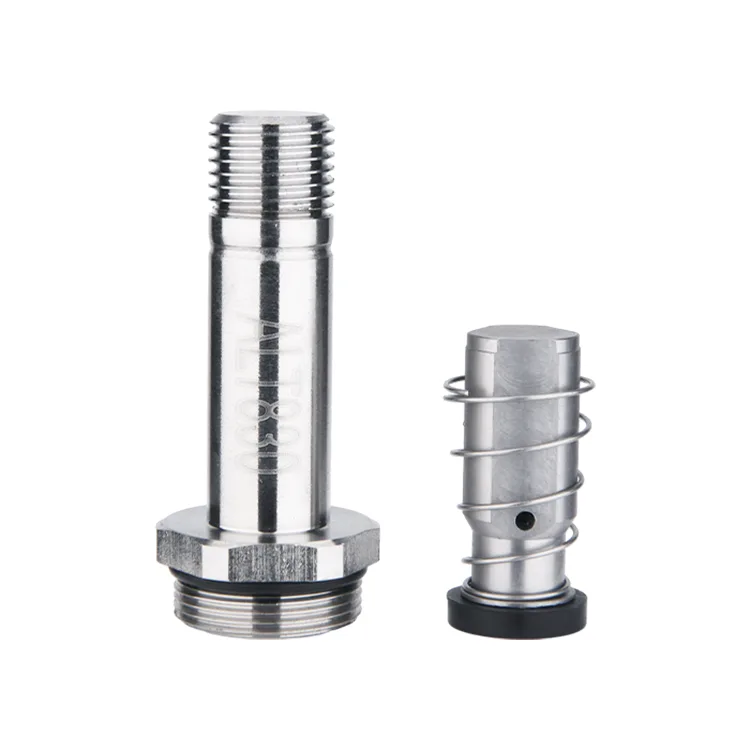
A 2-Way Normally Closed AC Solenoid Armature is the moving core that opens the valve only while the coil is energized, making it a critical wear component in water, air, and light-oil control systems. At Anlite, we build these armatures to tight tolerances, and we know from field data that most failures are predictable rather than sudden. Recognizing the warning signs early protects your process, your coil, and your downtime budget.
Key Signs That Indicate Replacement Is Due
| Symptom | What It Usually Means | Recommended Action |
|---|---|---|
| Valve will not open when energized | Armature stuck, worn, or magnetically weak | Test coil first, then inspect armature |
| Weak or inconsistent flow | Partial armature travel or debris on the seating face | Clean and measure; replace if wear is visible |
| Loud buzzing or humming | Poor armature seating or AC shading ring damage | Replace the 2-Way Normally Closed AC Solenoid Armature |
| Coil overheating or repeated coil failure | Armature not completing the magnetic circuit | Replace armature and verify coil rating |
| Visible scoring, pitting, or corrosion | Mechanical wear or chemical attack | Replace immediately |
| Slow closing or leakage when de-energized | Worn seal seat or bent armature stem | Replace the armature assembly |
Inspection Checklist Before You Decide
-
Measure armature stroke against the manufacturer's specification.
-
Check the shading ring for cracks; a damaged ring causes hum and delayed response.
-
Inspect the seating face for pitting, galling, or embedded debris.
-
Verify coil voltage and confirm it matches the AC nameplate rating.
-
Confirm the medium is compatible with the armature and seal materials.
-
Look for rust, scale, or swelling that changes the armature diameter.
Replace vs. Repair: A Practical Comparison
| Factor | Replace Armature | Attempt Repair |
|---|---|---|
| Reliability after service | High, restored to spec | Unpredictable |
| Cost | Low component cost | Labor often exceeds part cost |
| Downtime | Short, drop-in fit | Extended troubleshooting |
| Warranty coverage | Supported by Anlite | Void in most cases |
| Safety risk | Minimal | Risk of coil damage or leakage |
Recommended Replacement Intervals
| Application | Typical Service Life | Inspection Interval |
|---|---|---|
| Clean water, moderate cycling | 2–5 years | Every 12 months |
| Aggressive or hard water | 1–2 years | Every 6 months |
| Air and inert gas | 3–6 years | Every 12 months |
| Light oil | 2–4 years | Every 6 months |
| High-cycle industrial duty | 6–18 months | Every 3 months |
These intervals are guidelines. Cycling rate, filtration quality, and medium temperature are the strongest predictors of wear on any 2-Way Normally Closed AC Solenoid Armature.
Frequently Asked Questions
How do I know if the armature or the coil is faulty?
Measure coil resistance against the nameplate value and confirm supply voltage; if the coil is within spec but the valve does not shift, the 2-Way Normally Closed AC Solenoid Armature is the likely cause and should be inspected for sticking, scoring, or a damaged shading ring.
Can I replace the armature without replacing the entire valve?
Yes, in most Anlite valve designs the armature is a serviceable drop-in component, but you must confirm the part number, stroke length, and seal material match the original specification to avoid leakage or coil overload.
What causes a new armature to fail prematurely?
Contamination, incorrect coil voltage, excessive cycling, and incompatible media are the usual causes; installing a filter upstream and verifying the AC coil rating will usually prevent repeat failure of a 2-Way Normally Closed AC Solenoid Armature.
Final Thoughts
Replacing a 2-Way Normally Closed AC Solenoid Armature at the first sign of weak actuation, noise, or leakage is far cheaper than losing a production batch or burning through coils. Use the tables above as a maintenance baseline, document your inspection results, and keep a spare armature on the shelf for critical lines.
Contact us at Anlite today to confirm the correct armature for your valve, request a compatibility check, or place an order for spares.