What Surface Treatments Should You Specify for Heat-dissipating Aluminum Enclosure Machining
2026-11-10
Selecting the right finish is one of the most consequential decisions in Heat-dissipating Aluminum Enclosure Machining, because the surface layer directly governs emissivity, corrosion resistance, electrical insulation, and long-term reliability in the field. At Zhongyilong, we have supported thermal enclosure programs across telecom, power electronics, EV charging, and industrial automation, and the same pattern appears repeatedly: teams that specify finishes early avoid costly rework later. This guide breaks down the practical options, their thermal trade-offs, and how to match a treatment to your application.
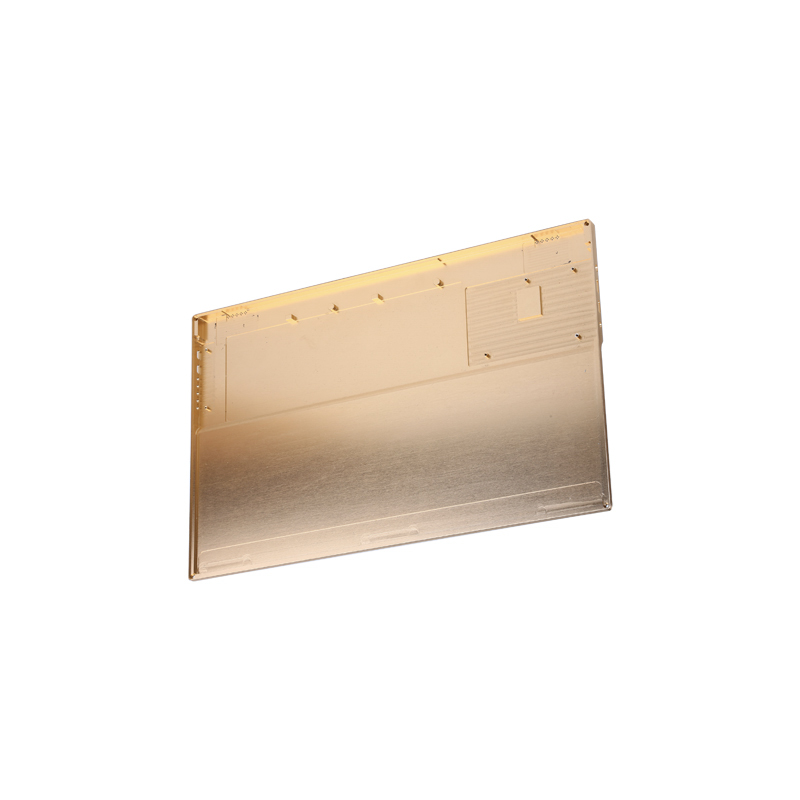
Why Surface Treatment Matters in Thermal Enclosures
Bare aluminum has an emissivity of roughly 0.05–0.10, which severely limits radiative heat transfer. A properly chosen coating can raise emissivity to 0.80 or higher, improving overall thermal performance even when conduction remains the dominant path. Corrosion protection and dielectric strength are equally important, particularly for outdoor or high-voltage assemblies.
Comparison of Common Surface Treatments
| Treatment | Typical Thickness | Emissivity | Corrosion Resistance | Electrical Insulation | Thermal Impact | Best Fit |
|---|---|---|---|---|---|---|
| Clear anodizing (Type II) | 5–25 μm | 0.80–0.85 | Good | Moderate | Minimal | Indoor electronics, aesthetic parts |
| Hard anodizing (Type III) | 25–50 μm | 0.85–0.90 | Excellent | High | Slight resistance increase | Harsh environments, wear surfaces |
| Black anodizing | 10–25 μm | 0.85–0.90 | Good | Moderate | Improves radiation | Heat sinks, outdoor enclosures |
| Chromate conversion (RoHS) | 0.3–3 μm | 0.70–0.80 | Moderate | Low | Negligible | Cost-sensitive, EMI housings |
| Electroless nickel | 5–25 μm | 0.30–0.50 | Excellent | Good | Noticeable resistance | Chemical exposure, solderability |
| Powder coating | 60–120 μm | 0.85–0.95 | Excellent | High | Insulating layer; use thin films | Outdoor cabinets, consumer products |
| Thermal spray (Al₂O₃) | 50–200 μm | 0.85–0.90 | Good | Very high | Controlled, but adds interface resistance | High-voltage isolation |
Selection Guidance by Application
-
Outdoor or humid environments: specify hard anodizing or a thin powder coating with validated salt-spray performance.
-
Maximum radiation with minimal mass: black anodizing on fin surfaces is the standard choice.
-
High-voltage isolation: thermal spray ceramic or thick anodizing, with dielectric strength verified per layer.
-
Cost-driven indoor units: chromate conversion offers acceptable protection at low cost.
-
EMI and grounding requirements: define masking zones before finishing; Zhongyilong builds these into the Heat-dissipating Aluminum Enclosure Machining process plan so threads and contact surfaces remain conductive.
Process Control Points
Specify masking areas for grounding, thread engagement, and sealing surfaces. Require coating thickness measurement at defined points. Confirm that pretreatment does not alter critical dimensions beyond tolerance. For Heat-dissipating Aluminum Enclosure Machining projects with tight flatness or fin geometry, finishing should be sequenced after final machining and validated against the thermal model.
Heat-dissipating Aluminum Enclosure Machining FAQ
Q: Does surface treatment actually improve heat dissipation, or is it only for corrosion protection?
A: It does both, but the thermal benefit depends on the treatment. Bare aluminum radiates poorly, so black anodizing or a thin powder coating can raise emissivity above 0.85 and improve radiative transfer. Thick coatings add interface resistance, so thickness must be balanced against the thermal model.
Q: Can anodizing change the dimensions of a machined enclosure?
A: Yes. Type II anodizing grows the surface by roughly half the coating thickness per side, and hard anodizing adds more. Critical bores, threads, and mating surfaces should be masked or pre-adjusted in the Heat-dissipating Aluminum Enclosure Machining drawing so final dimensions remain within tolerance.
Q: Which treatment should be specified for outdoor enclosures exposed to salt spray?
A: Hard anodizing or a validated powder coating system is typically recommended, with salt-spray testing confirmed to your target hours. Sealing surfaces and fastener areas should be masked, and the finish specification should state the acceptance criteria rather than only the process name.
Q: How does Zhongyilong control finish quality across production lots?
A: Zhongyilong defines finish requirements in the Heat-dissipating Aluminum Enclosure Machining control plan, including thickness measurement points, masking drawings, adhesion checks, and dimensional verification after coating. First-article approval locks the process before volume release.
Conclusion
The right finish is a design decision, not an afterthought. Match emissivity, corrosion class, and dielectric needs to your operating environment, then document masking and thickness in the Heat-dissipating Aluminum Enclosure Machining specification. Zhongyilong supports finish selection, prototype validation, and volume production under one process plan.
Contact us today to review your enclosure requirements with the Zhongyilong engineering team and receive a surface treatment recommendation tailored to your thermal and environmental targets.