What Size Nylon Plastic Frame Fixing Anchor Do You Need for Your Project
2026-09-14
Selecting the correct anchor size is one of the most important decisions when securing frames, battens, and fixtures to masonry or concrete. A Nylon Plastic Frame Fixing Anchor that is too small may pull out under load, while an oversized anchor can crack the substrate or split the frame. At Fixingmore, we help builders, contractors, and DIY users match the right anchor to the right application every time. This guide explains the key factors that determine the correct size and provides practical tables to simplify your selection.
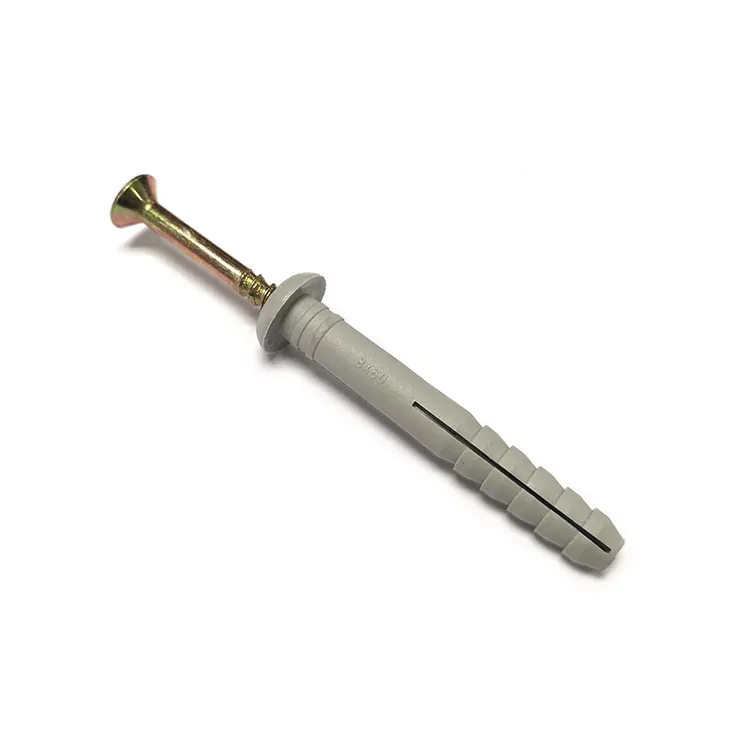
Key Factors That Determine Anchor Size
Choosing the right Nylon Plastic Frame Fixing Anchor depends on more than just the hole diameter. Consider these variables:
-
Substrate type – Concrete, solid brick, hollow brick, aerated concrete, and stone each require different anchor designs and lengths.
-
Fixture thickness – The anchor must pass through the frame or batten and still reach the required embedment depth.
-
Load requirements – Heavier loads demand larger diameters and deeper embedment.
-
Screw diameter – The anchor must match the screw size to expand properly.
-
Edge and spacing distances – Anchors placed too close to an edge may need a smaller diameter or deeper setting.
Standard Sizes of Nylon Plastic Frame Fixing Anchor
Fixingmore supplies a full range of Nylon Plastic Frame Fixing Anchor products. The table below shows common sizes and their typical applications.
| Anchor Diameter | Anchor Length | Screw Size | Fixture Thickness | Common Applications |
|---|---|---|---|---|
| 6 mm | 60 mm | 4.5–5 mm | 10–20 mm | Light battens, small frames |
| 8 mm | 80 mm | 5–6 mm | 20–40 mm | Window frames, shelving |
| 10 mm | 100 mm | 7–8 mm | 40–60 mm | Door frames, heavy battens |
| 10 mm | 120 mm | 7–8 mm | 60–80 mm | Insulated facades, thick frames |
| 12 mm | 140 mm | 8–10 mm | 80–100 mm | Heavy structural frames |
How to Match Anchor Length to Your Project
Use this simple formula to calculate the minimum anchor length:
Anchor length = Fixture thickness + Minimum embedment depth
The table below lists the minimum embedment depth for common substrates.
| Substrate | Minimum Embedment Depth |
|---|---|
| Concrete | 50 mm |
| Solid brick | 50 mm |
| Hollow brick | 70 mm |
| Aerated concrete | 80 mm |
For example, if you are fixing a 30 mm thick frame to concrete, you need at least 30 mm + 50 mm = 80 mm. A Nylon Plastic Frame Fixing Anchor measuring 8 mm × 80 mm would be appropriate, though Fixingmore recommends 10 mm × 100 mm for added safety margin.
Installation Tips for Best Performance
-
Drill the hole to the exact diameter specified for the Nylon Plastic Frame Fixing Anchor.
-
Clean dust and debris from the hole before insertion.
-
Tap the anchor in gently with a hammer until it sits flush with the fixture.
-
Tighten the screw until the anchor expands and grips the substrate firmly.
-
Avoid over-tightening, which can strip the nylon or damage the frame.
Frequently Asked Questions
What size Nylon Plastic Frame Fixing Anchor should I use for a window frame?
For most standard window frames, an 8 mm × 80 mm or 10 mm × 100 mm Nylon Plastic Frame Fixing Anchor is suitable, depending on frame thickness and substrate.
Can I use a Nylon Plastic Frame Fixing Anchor in hollow brick?
Yes, but you should choose a longer anchor with deeper embedment, typically 10 mm × 120 mm or larger, and reduce the safe working load accordingly.
How many Nylon Plastic Frame Fixing Anchors do I need per frame?
As a general rule, use one anchor every 400–600 mm along the frame perimeter, with a minimum of four anchors per frame for stability.
Contact Us
Need expert advice on selecting the right Nylon Plastic Frame Fixing Anchor for your next project? Fixingmore offers technical support, bulk pricing, and a wide range of certified anchoring solutions. Contact our team today to request a quote, download a product catalog, or discuss custom specifications for your application.