

What Safety Protocols Should Be Followed When Using Butt Fusion Welding Equipment
2026-03-11
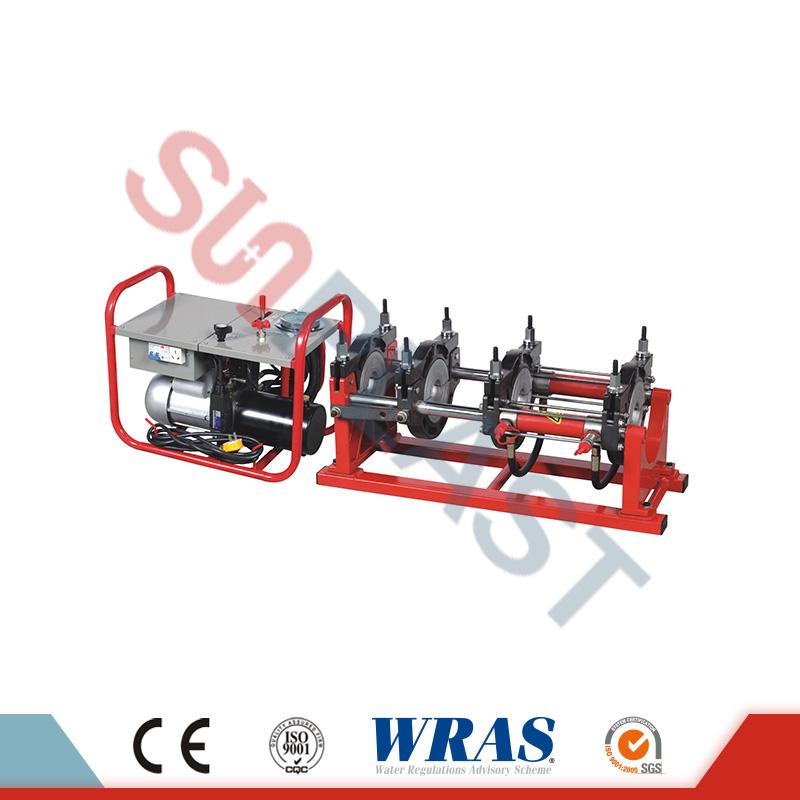
Butt fusion welding equipment is essential for creating durable and leak-free connections in HDPE piping systems. However, operating this powerful machinery without proper safety measures can lead to serious injuries or equipment damage. At SUNPLAST, we prioritize operator safety and equipment integrity above all else. Understanding the correct safety protocols ensures both personal protection and optimal weld quality when working with HDPE Butt Fusion Welding Machine systems.
Essential Personal Protective Equipment (PPE)
Before operating any butt fusion welding equipment, operators must wear appropriate PPE. The high temperatures and moving parts involved demand specific protective gear.
| PPE Type | Purpose | Required Specification |
|---|---|---|
| Heat-Resistant Gloves | Protect hands from hot plates and molten plastic | Minimum 300°C resistance |
| Safety Goggles | Shield eyes from UV radiation and debris | ANSI Z87.1 certified |
| Steel-Toe Boots | Prevent foot injuries from heavy components | ASTM F2413 compliant |
| Flame-Resistant Clothing | Protect against burns from molten HDPE | FR-rated cotton preferred |
Pre-Operation Safety Checklist
Every HDPE Butt Fusion Welding Machine operator should complete a thorough inspection before starting any welding procedure. SUNPLAST recommends following this systematic approach:
-
Inspect all hydraulic hoses for signs of wear, cracking, or leaks
-
Verify temperature controller accuracy using calibrated thermometers
-
Check grounding systems to prevent electrical hazards
-
Ensure proper ventilation in indoor work areas to avoid fume accumulation
-
Confirm emergency stop functions are operational
Safe Work Area Establishment
Creating a secure work environment is crucial when operating butt fusion welding equipment. The work area must be clearly marked and organized to prevent accidents.
Critical Zone: Maintain a minimum 3-meter exclusion zone around the HDPE Butt Fusion Welding Machine during operation. Only essential personnel with proper PPE should enter this area.
Emergency Response Procedures
Even with proper precautions, emergencies can occur. Every team should have clearly defined response protocols:
-
For hydraulic fluid leaks: Immediately shut down the machine and contain the spill using absorbent materials
-
For electrical malfunctions: Activate emergency stop and disconnect power sources before inspection
-
For burns: Initiate first aid with cool running water for 15 minutes and seek medical attention
-
For fire emergencies: Keep Class B fire extinguishers accessible near the work area
Machine-Specific Safety Features
Modern HDPE Butt Fusion Welding Machine systems incorporate numerous safety features that operators must understand. SUNPLAST equipment includes:
-
Automatic temperature shutoff if overheating occurs
-
Pressure relief valves on hydraulic systems
-
Insulated handle grips on all manual controls
-
Safety interlocks preventing operation during maintenance
Proper Material Handling
HDPE Butt Fusion Welding Machine operations involve heavy pipe sections that create additional safety considerations. Always use mechanical lifting aids for pipes larger than 160mm diameter, and secure pipe ends properly in the machine clamps before initiating any welding sequence.
Training and Certification Requirements
Only trained and certified personnel should operate butt fusion welding equipment. Comprehensive training programs should cover:
-
Machine setup and calibration procedures
-
Emergency shutdown protocols
-
Weld parameter understanding
-
Quality inspection methods
HDPE Butt Fusion Welding Machine FAQ
Q: What should I do if the heating plate temperature fluctuates during operation?
A: Temperature fluctuations during operation indicate potential controller malfunction or heating element issues. Immediately stop welding and allow the HDPE Butt Fusion Welding Machine to cool. Check all electrical connections and verify the thermocouple is properly seated. If problems persist, contact SUNPLAST technical support for professional calibration services. Never attempt to weld with unstable temperatures as this compromises joint integrity.
Q: How often should hydraulic systems be inspected on butt fusion equipment?
A: Hydraulic systems on butt fusion welding equipment require daily visual inspections for leaks or damage, with comprehensive maintenance checks every 500 operating hours or quarterly, whichever comes first. SUNPLAST recommends replacing hydraulic fluid annually and having certified technicians inspect all seals and cylinders bi-annually to prevent sudden pressure failures during operation.
Q: What are the correct procedures for cooling fan operation during summer welding?
A: When ambient temperatures exceed 35°C, cooling fans should be positioned to maintain airflow around the HDPE Butt Fusion Welding Machine control unit without directly cooling the welding interface. Direct fan exposure on the joint area causes premature cooling and weak welds. Position fans at least 2 meters from the fusion zone while ensuring adequate ventilation for operator comfort and equipment cooling.
Conclusion
Safety protocols for butt fusion welding equipment protect both personnel and project quality. By following these guidelines and maintaining proper training, operators can achieve superior weld results while minimizing risks. SUNPLAST is committed to providing equipment that meets the highest safety standards.
Contact Us for Expert Support
For professional guidance on HDPE Butt Fusion Welding Machine safety, training programs, or equipment selection, contact SUNPLAST today. Our technical team offers comprehensive support to ensure your welding operations meet international safety standards.
