

What Really Makes a CNC Machining Part Reliable in Real Manufacturing Scenarios?
2026-02-03
When I first started working closely with clients who relied on precision components, I quickly realized that choosing a CNC Machining Part was rarely just about price. It was about trust, consistency, and whether the part could perform flawlessly once it left the drawing board and entered real-world use. Over time, through collaboration with Losier Technology Development Co., Ltd. , I saw how experience, process control, and attention to detail quietly shape outcomes that customers care about most.
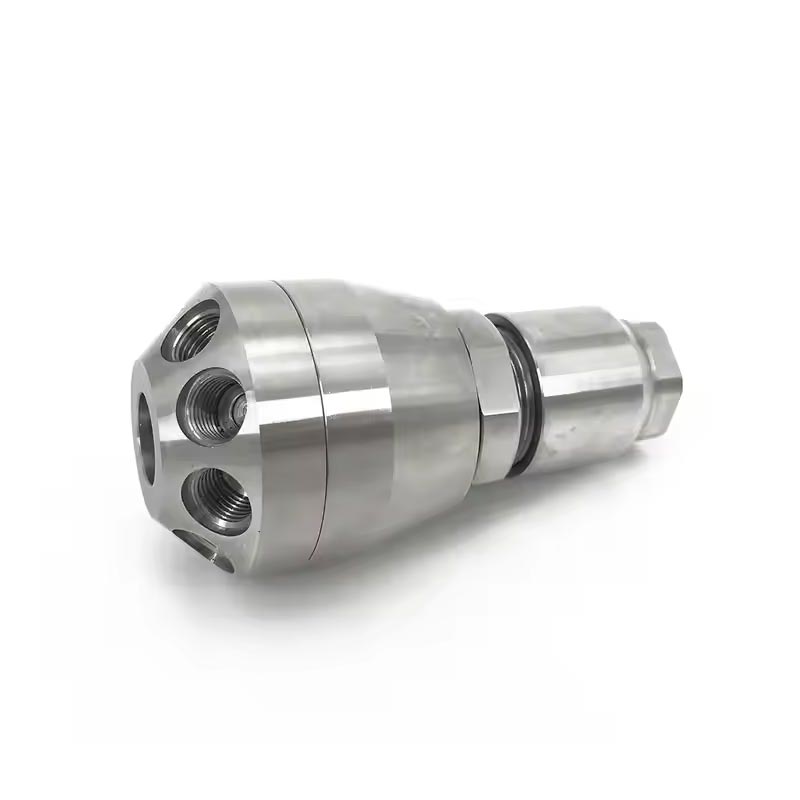
Why Do Buyers Worry So Much About the Quality of a CNC Machining Part?
From my conversations with engineers and sourcing managers, the concern is almost always the same: uncertainty. A single CNC Machining Part that fails tolerance checks can delay an entire project. That is why buyers tend to focus on predictable quality rather than theoretical capability.
- Will the dimensions remain stable across repeated batches?
- Is surface finish consistent enough for assembly?
- Can the supplier adapt when drawings change?
These questions are not abstract. They come directly from production floors, where every micron matters.
How Does Process Control Influence the Performance of a CNC Machining Part?
In my experience, machining accuracy is never accidental. It is the result of controlled processes that start long before cutting begins. A well-made CNC Machining Part reflects disciplined material selection, calibrated equipment, and operators who understand why each step matters.
| Process Element | Why It Matters to the Final Part |
|---|---|
| Material verification | Ensures strength, machinability, and long-term stability |
| Tool path optimization | Reduces internal stress and improves surface consistency |
| In-process inspection | Catches deviations before they become costly defects |
When these controls are in place, the CNC Machining Part behaves exactly as intended during assembly and operation.
What Advantages Do Precision Machined Parts Offer Across Different Industries?
One thing I have learned is that a precision CNC Machining Part rarely belongs to just one industry. The same machining principles support applications ranging from industrial equipment to electronics housings.
- High dimensional accuracy for tight-fit assemblies
- Repeatability for medium- to high-volume production
- Flexible material options, from aluminum to stainless steel
This versatility is why so many clients prefer CNC machining when reliability and scalability must coexist.
Why Does Communication Matter When Ordering a CNC Machining Part?
I have seen projects succeed or fail based on how well requirements were communicated. A drawing alone does not always explain functional priorities. Clear dialogue helps ensure that a CNC Machining Part is optimized not only for manufacturing, but also for real use.
| Customer Input | Resulting Benefit |
|---|---|
| Functional tolerance clarification | Reduced over-machining and lower cost |
| Surface finish expectations | Improved assembly and appearance |
| End-use environment details | Better material and coating decisions |
When both sides understand the goal, the final CNC Machining Part aligns more closely with performance expectations.
Is Choosing the Right CNC Partner the Key to Long-Term Success?
Looking back, the most successful partnerships are built on consistency and transparency. A dependable supplier does not just deliver parts; they help reduce risk. That mindset is what I associate with teams that treat every CNC Machining Part as a responsibility, not just an output.
If you are evaluating options for your next project and want components that meet real production demands, I encourage you to take the next step. Please contact us to discuss your requirements, share your drawings, or request a quotation. A conversation today can be the foundation for smoother manufacturing tomorrow.
