

What Really Determines the Quality of a CNC Machining Part?
2025-12-30
When I first started sourcing precision components for industrial projects, I quickly realized that not every CNC Machining Part delivers the same level of reliability. Over time, working closely with manufacturers like Losier, I learned that quality is not a coincidence—it is the result of disciplined processes, material understanding, and machining expertise. This article shares what I have seen firsthand and answers the questions buyers usually ask when they want parts that truly perform.
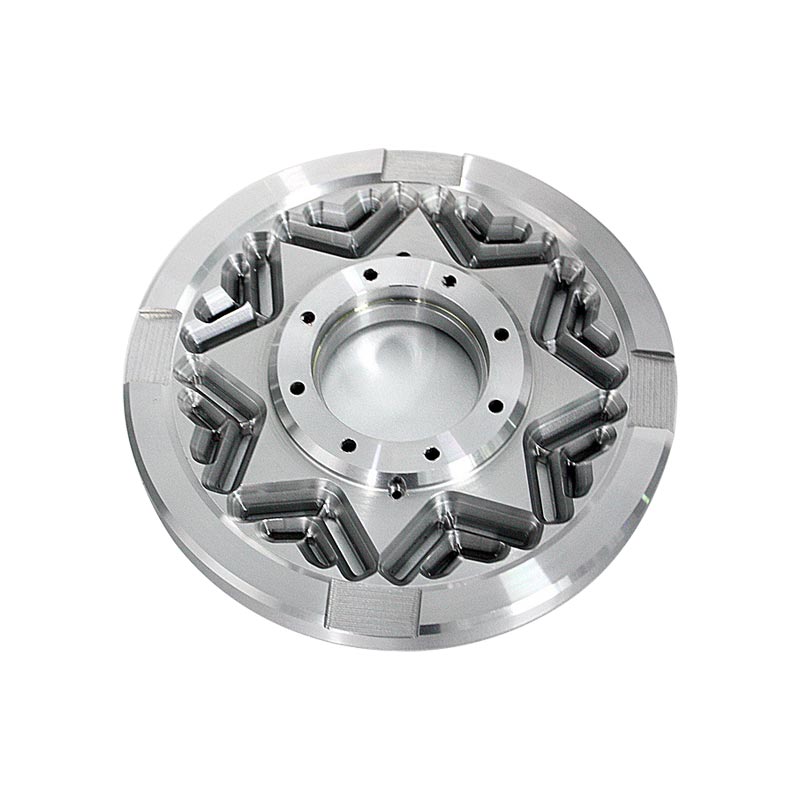
Why Do Buyers Often Struggle to Find a Reliable CNC Machining Part?
Many buyers tell me their biggest frustration is inconsistency. One batch meets specifications, while the next creates delays or rework. A dependable CNC Machining Part should not introduce uncertainty into your supply chain. The problem usually comes down to three factors: unclear tolerances, unsuitable materials, and limited machining capability.
- Designs that are not optimized for CNC processes
- Material selection based on price rather than application
- Suppliers lacking advanced inspection and process control
From my experience, addressing these issues early is the key to long-term cost control.
How Does Material Choice Affect CNC Machining Part Performance?
Material selection is one of the most underestimated decisions. A CNC Machining Part made from the wrong alloy may pass inspection but fail in real-world conditions. I have seen projects improve dramatically simply by switching materials.
| Material Type | Common Use Case | Performance Benefit |
|---|---|---|
| Aluminum Alloys | Lightweight structural parts | Excellent machinability and corrosion resistance |
| Stainless Steel | Medical and food-grade components | High strength and durability |
| Carbon Steel | Automotive and machinery parts | Cost-effective with strong mechanical properties |
Choosing the right material ensures that every CNC Machining Part performs as expected throughout its service life.
What Machining Capabilities Actually Matter for Precision Parts?
In my view, advanced equipment alone is not enough. What matters is how that equipment is used. A high-quality CNC Machining Part depends on multi-axis machining, stable fixtures, and skilled programmers who understand geometry and tolerances.
- Multi-axis CNC machines reduce secondary operations
- Stable setups minimize deformation and vibration
- Consistent tooling management improves surface finish
These factors work together to deliver parts that fit, function, and last.
How Can Surface Finish Improve the Value of a CNC Machining Part?
Surface finish is not just about appearance. I have seen how proper finishing enhances wear resistance, corrosion protection, and assembly accuracy. A well-finished CNC Machining Part often reduces maintenance costs over time.
- Anodizing for aluminum parts in harsh environments
- Polishing for components requiring smooth contact surfaces
- Coating options to extend service life
These finishing choices add real value beyond the drawing.
Why Does Quality Control Define a Trustworthy CNC Machining Part?
Quality control is where reliable suppliers stand apart. In my experience, a serious manufacturer treats inspection as part of production, not an afterthought. Every CNC Machining Part should be verified with calibrated tools and documented processes.
This approach reduces risk and builds confidence, especially for long-term partnerships.
How Can the Right CNC Machining Partner Reduce Your Total Cost?
The lowest unit price rarely equals the lowest total cost. A consistent CNC Machining Part reduces scrap, shortens lead times, and avoids production interruptions. Working with an experienced supplier like Losier means fewer surprises and smoother project execution.
If you are looking for precision parts that meet real-world demands, now is the time to take the next step. Contact us today to discuss your requirements, request a quote, or learn how our CNC machining solutions can support your next project.
