What Materials Make a Riot Shield Handle Durable Enough for Tactical Use
2026-11-13
When officers and security teams depend on their equipment in high-pressure situations, every component matters. A Riot Shield Handle is one of the most overlooked yet critical parts of a tactical shield system, and the material it is made from directly affects grip security, control, and long-term reliability. At Galaxy, we have spent years engineering Riot Shield Handle solutions for law enforcement, corrections, and private security professionals, and material selection remains one of the most important decisions in the design process. This guide breaks down the materials that genuinely hold up to tactical use, along with the trade-offs that matter in the field.
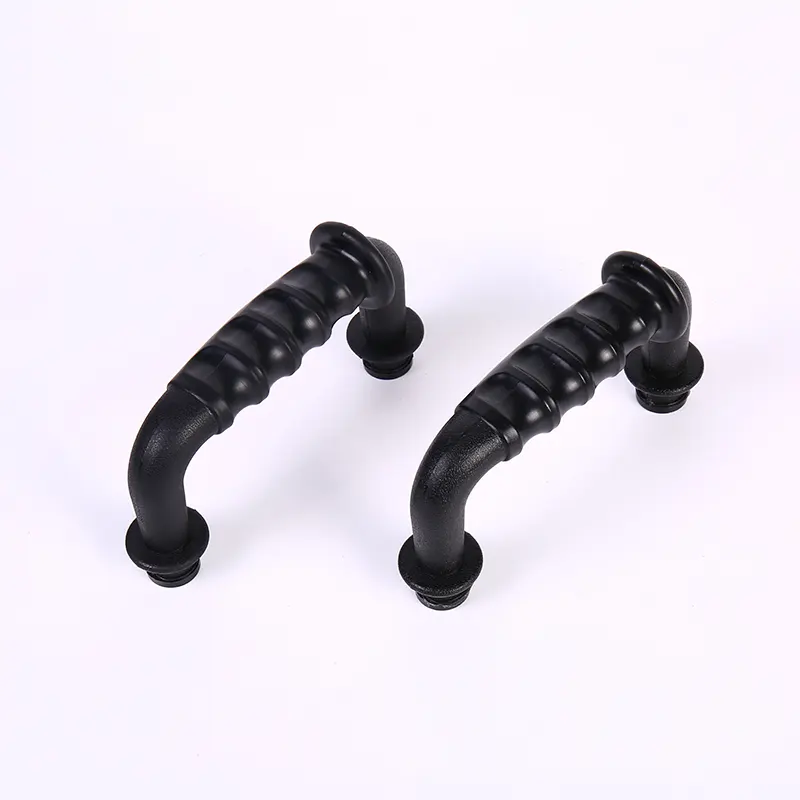
Why Material Choice Determines Tactical Performance
The handle is the primary point of contact between the operator and the shield. It must absorb impact energy, resist torque during crowd control movements, and remain secure when hands are wet, gloved, or fatigued. A Riot Shield Handle made from an inferior material can crack at the mounting point, deform under load, or become slippery at the worst possible moment. Tactical durability therefore depends on four material properties:
-
Tensile and impact strength — resistance to cracking under sudden force
-
Stiffness-to-weight ratio — control without excessive shield weight
-
Chemical and UV resistance — performance in rain, heat, and cleaning agents
-
Grip stability — consistent friction with and without gloves
Material Comparison for Riot Shield Handles
The table below summarizes how common materials perform in tactical conditions. Galaxy evaluates each of these against real-world deployment requirements before selecting a material for production.
| Material | Impact Strength | Weight | Grip (Gloved) | Chemical/UV Resistance | Typical Tactical Use |
|---|---|---|---|---|---|
| Glass-filled nylon (PA6-GF30) | High | Low | Good with overmold | Good | Standard duty Riot Shield Handle |
| Polycarbonate (PC) | Very high | Low–moderate | Moderate | Good | Impact-prone applications |
| Aluminum alloy (6061-T6) | High (rigid) | Moderate | Needs coating | Excellent | Heavy-duty tactical shields |
| Steel (powder-coated) | Very high | High | Needs coating | Moderate (corrosion risk) | Riot-control shields |
| TPU overmolded grip | N/A (grip layer) | Low | Excellent | Good | Ergonomic Riot Shield Handle |
Glass-Filled Nylon
Glass-filled nylon is the most common choice for a Riot Shield Handle because it balances strength, weight, and cost. Adding 30% glass fiber raises stiffness and reduces creep under sustained load. Galaxy specifies glass-filled nylon for handles that must remain lightweight during prolonged deployment.
Polycarbonate
Polycarbonate offers exceptional impact resistance and is well suited to handles exposed to repeated blows. It is slightly more sensitive to certain solvents, so cleaning protocols should be verified.
Aluminum Alloy
Aluminum alloy 6061-T6 provides excellent rigidity and corrosion resistance, making it a strong option for a heavy-duty Riot Shield Handle. Anodized finishes improve durability, and textured coatings address grip limitations.
Steel
Powder-coated steel delivers maximum strength but adds weight and requires corrosion monitoring. It remains relevant for riot-control shields where absolute rigidity is prioritized.
TPU Overmolding
A TPU overmold transforms a rigid Riot Shield Handle into an ergonomic interface. It improves wet-grip performance, reduces vibration transfer, and extends comfortable carry time.
Design Factors That Reinforce Material Durability
Material alone does not guarantee durability. Galaxy engineers each Riot Shield Handle with these principles:
-
Reinforced mounting bosses to distribute stress away from fastener holes
-
Rounded internal corners to reduce stress concentration
-
Ribbed geometry for stiffness without added mass
-
Stainless or coated fasteners to prevent galvanic corrosion
-
Validated torque specifications to avoid over-tightening and cracking
Riot Shield Handle FAQ
Q: What is the most durable material for a Riot Shield Handle?
A: Glass-filled nylon and polycarbonate offer the best balance of impact resistance and low weight for most tactical applications, while aluminum alloy and powder-coated steel provide greater rigidity for heavy-duty riot-control shields. The right choice depends on shield weight limits, deployment conditions, and grip requirements.
Q: How can I tell if my Riot Shield Handle is failing?
A: Inspect for hairline cracks around mounting holes, loosened fasteners, deformation at the grip, and any change in surface texture that reduces friction. Any visible cracking or movement at the mounting point requires immediate replacement before further deployment.
Q: Does a heavier Riot Shield Handle mean better durability?
A: Not necessarily. Weight is not a reliable indicator of strength, because geometry, reinforcement, and material grade matter more than mass. A well-designed glass-filled nylon Riot Shield Handle can outperform a heavier, poorly reinforced alternative while reducing operator fatigue.
Contact Us
Selecting the right material for a Riot Shield Handle is a decision that affects officer safety and equipment lifecycle cost. Galaxy provides material consultation, prototype testing, and production manufacturing for tactical shield components. Contact our team today to discuss your Riot Shield Handle requirements, request material samples, or receive a tailored durability assessment for your program.