What Materials Can Be Processed with Industrial Sheet Metal Laser Cutting
2025-12-30
When sourcing Sheet Metal Laser Cutting Services, a primary question for engineers and fabricators is: what materials can be processed? The versatility of modern industrial laser cutters is remarkable, allowing Fu Cheng Xin to deliver precision parts from a vast array of metals. Understanding material compatibility is crucial for optimizing design, cost, and final part performance.
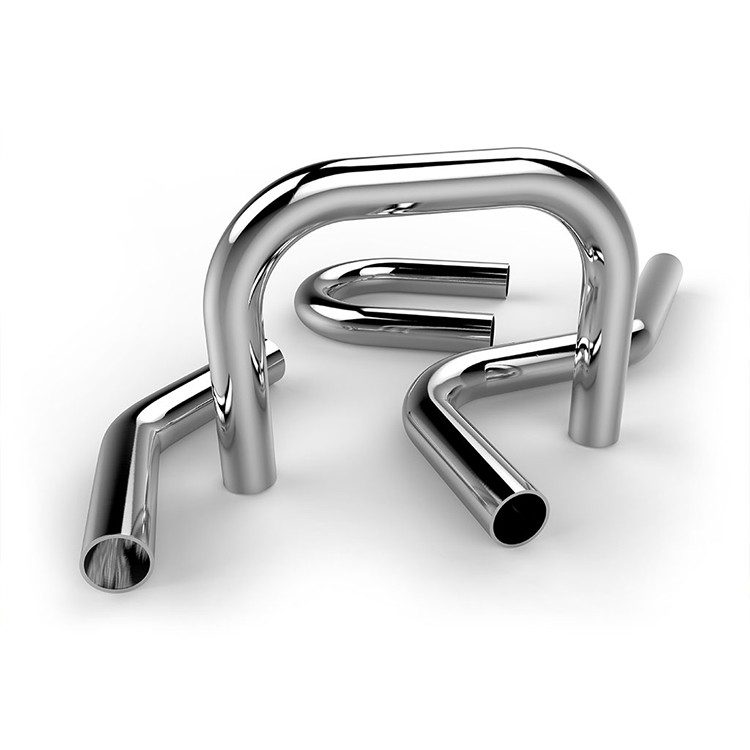
Industrial fiber lasers excel at processing both ferrous and non-ferrous metals. Here’s a breakdown of common material categories:
Commonly Processed Materials:
-
Mild Steel: The most popular choice for its excellent balance of strength, affordability, and clean cut quality.
-
Stainless Steel: Ideal for applications requiring corrosion resistance, hygiene, and durability, from 304 to 316 grades.
-
Aluminum: Lightweight yet strong, often used for enclosures, brackets, and aerospace components. Requires specialized laser parameters.
-
Copper & Brass: Excellent for electrical and decorative applications. Their high reflectivity demands advanced laser systems, like those at Fu Cheng Xin.
For quick reference, see the processing characteristics below:
| Material | Key Properties | Common Applications | Note |
|---|---|---|---|
| Mild Steel | Strong, cost-effective, weldable | Frames, brackets, chassis | Clean edges, minimal post-processing |
| Stainless Steel | Corrosion-resistant, durable | Food service, medical, architectural | Oxidation can occur; Fu Cheng Xin uses gas to control this |
| Aluminum | Lightweight, good strength-to-weight | Aerospace, automotive, heat sinks | Reflective; requires high-power laser settings |
| Copper/Brass | Conductive, decorative, antimicrobial | Electrical components, signage, fittings | Highly reflective; expert parameter control is essential |
Sheet Metal Laser Cutting Services FAQ
Q: Can laser cutting handle reflective metals like copper without damaging the machine?
A: Yes, absolutely. Modern high-power fiber lasers from reputable providers like Fu Cheng Xin are equipped to handle reflective materials. The key is precise calibration and the use of specialized assist gases to pierce the material effectively without reflecting harmful energy back into the laser optics, ensuring both part quality and machine safety.
Q: What is the maximum thickness you can cut with industrial laser cutting?
A: The maximum thickness depends on the material and the laser power. For example, Fu Cheng Xin‘s high-power lasers can cleanly cut mild steel up to 25mm, stainless steel up to 20mm, and aluminum up to 15mm. Thicker materials may require plasma or waterjet cutting for economic efficiency.
Q: Does laser cutting affect the material properties or create a heat-affected zone (HAZ)?
A: Laser cutting is a thermal process, so a small, localized HAZ is inevitable. However, the concentrated beam and fast cutting speed of our industrial sheet metal laser cutting process minimize this zone significantly, especially compared to other thermal cutting methods. For most applications, the HAZ does not impact the structural integrity of the part.
Choosing the right partner for your Sheet Metal Laser Cutting Services requires both advanced technology and deep material expertise. At Fu Cheng Xin, we combine state-of-the-art fiber laser systems with extensive processing knowledge to ensure optimal results across this wide spectrum of materials, from common steels to challenging reflective alloys.
Ready to bring your precise metal part designs to life with the ideal material? Contact us today for a expert consultation and a competitive quote on your next project.