

What Materials Are Commonly Used to Manufacture Commutator End Brackets
2026-03-05
When it comes to motor durability and performance, the Commutator End Bracket is a component that deserves close attention. At United, we understand that the choice of material directly impacts heat resistance, structural integrity, and overall lifespan. In this post, we explore the most common materials used in manufacturing these critical parts and why each selection matters for your application.
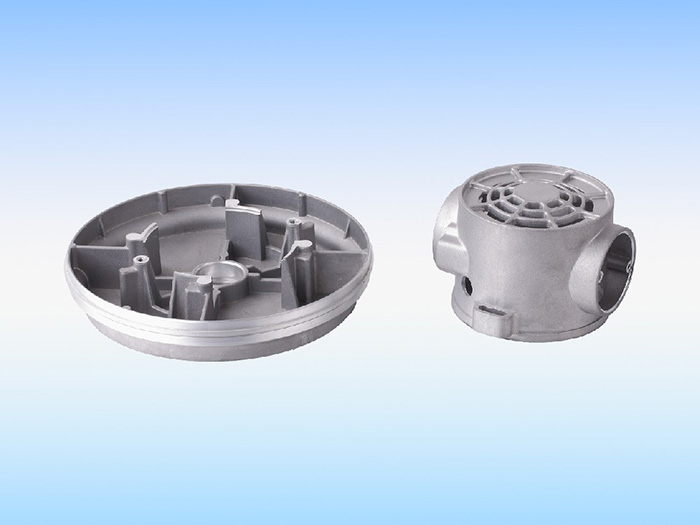
The Primary Material Categories
Manufacturers typically select from three main categories of materials: metals, plastics, and composites. Each offers distinct advantages depending on the operating environment. Below is a breakdown of the most frequently used options.
| Material Type | Common Alloys/Grades | Key Characteristics | Typical Applications |
|---|---|---|---|
| Die-Cast Aluminum | ADC12, A380 | Lightweight, excellent thermal conductivity, corrosion-resistant | Power tools, automotive starters |
| Zinc Alloy | Zamak 3, Zamak 5 | High dimensional stability, good strength-to-weight ratio | Small household appliances |
| Thermoplastics | Glass-filled Nylon (PA66+GF30) | Electrical insulation, cost-effective, vibration damping | Consumer drills, low-torque motors |
| Steel/Stamped Metal | SPCC, SGCC | Maximum strength, impact resistance | Heavy-duty industrial motors |
Material Selection Criteria
Choosing the right material for a Commutator End Bracket is not arbitrary. Engineers must balance several factors to ensure the motor runs safely and efficiently.
-
Thermal Management
Motors generate significant heat. Aluminum alloys are preferred here because they dissipate heat rapidly, protecting the commutator and windings from thermal damage. -
Electrical Insulation
Since the bracket houses the brush holders and is near live circuits, non-conductive materials like high-grade thermoplastics are often used in double-insulated tools to prevent electric shock. -
Mechanical Load
In high-vibration environments, a brittle material could crack. United recommends zinc alloys or steel for applications where the bracket must withstand physical impact or heavy torque.
Why Material Choice Defines Quality
The performance of your motor is directly tied to the Commutator End Bracket. A bracket made from substandard material can warp under heat, leading to brush misalignment and sparking. Conversely, a precision-engineered bracket ensures consistent brush contact and longer motor life.
At United, we specialize in sourcing and manufacturing brackets that meet rigorous international standards. Whether you need the lightweight benefit of aluminum or the insulating properties of reinforced plastic, getting the material right is the first step toward reliability.
Commutator End Bracket FAQ
What is the most common material used for Commutator End Brackets in power tools?
For power tools like angle grinders and drills, die-cast aluminum is the most prevalent choice. This is because power tools experience rapid temperature spikes during use. Aluminum acts as a heat sink, drawing heat away from the internal components. Additionally, it provides the structural rigidity needed to hold the brushes securely against the commutator under heavy load. United manufactures a wide range of aluminum brackets specifically engineered for high-cycle power tool applications.
Can plastic be used to manufacture a Commutator End Bracket for industrial motors?
While plastic is common in consumer-grade devices, it is rarely used for heavy industrial motors. For industrial applications, the mechanical stress and heat are too high. However, high-performance thermoplastics (such as glass-filled nylon) are frequently used in automotive auxiliary motors (like window lifts) because they offer good strength, are lightweight, and provide natural electrical insulation, which simplifies safety compliance.
How does the material of a Commutator End Bracket affect motor maintenance?
The material significantly impacts wear and corrosion. A steel bracket, while strong, may be prone to rust if the protective coating is damaged, potentially seizing the bearings. An aluminum bracket resists corrosion naturally, ensuring that bearings and housings remain separable during maintenance. Choosing the correct material from United ensures that your maintenance cycles are predictable and that parts do not fuse together over time due to galvanic corrosion.
Need the Perfect Bracket for Your Motor?
Selecting the right material is crucial for performance and safety. Whether you need high-volume production of die-cast aluminum brackets or custom thermoplastic designs, United has the engineering expertise to deliver.
Contact Us today for a free consultation and material analysis. Let our team help you build motors that last longer and perform better.
