What Materials Are Commonly Used in Metal Forging Services
2025-12-26
When sourcing Forging Services, a fundamental question arises: what materials can be forged? The choice of metal is critical, directly impacting the strength, durability, and performance of the final component. At Youlin, our expertise lies in selecting and processing the optimal material for your specific application, ensuring each forged part meets the highest standards of quality and reliability. The most commonly forged materials fall into several key categories, each offering distinct advantages.
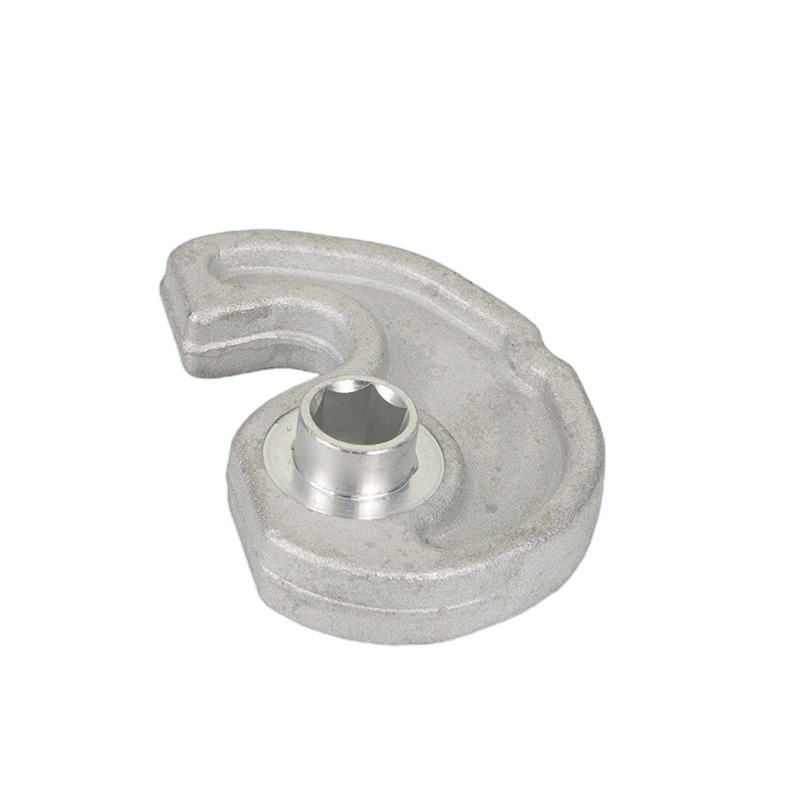
Popular Material Groups in Forging
-
Carbon Steels: The most widely used group, valued for its strength, toughness, and cost-effectiveness. The properties vary with carbon content.
-
Alloy Steels: Enhanced with elements like chromium, nickel, and molybdenum to achieve superior strength, wear resistance, or hardenability for demanding environments.
-
Stainless Steels: Chosen for their excellent corrosion resistance and strength, essential for medical, food processing, and marine applications.
-
Aluminum Alloys: Lightweight with good strength-to-weight ratios and corrosion resistance, ideal for aerospace and automotive industries.
-
Titanium Alloys: Exceptional strength, lightweight, and outstanding corrosion resistance, used primarily in high-performance aerospace and medical implants.
Comparison of Common Forging Materials
| Material Category | Key Properties | Typical Applications |
|---|---|---|
| Carbon Steel | High Strength, Good Toughness, Cost-Effective | Automotive Crankshafts, Connecting Rods, Gears |
| Alloy Steel | Enhanced Strength, Wear & Impact Resistance | Drilling Equipment, Gear Blanks, High-Stress Axles |
| Stainless Steel | Excellent Corrosion Resistance, Hygienic | Valves & Fittings, Surgical Tools, Marine Hardware |
| Aluminum Alloy | Lightweight, Good Corrosion Resistance | Aircraft Fittings, Automotive Wheels, Structural Parts |
| Titanium Alloy | High Strength-to-Weight Ratio, Extreme Corrosion Resistance | Aerospace Components, Biomedical Implants, Racing Parts |
Forging Services FAQ
Q: What is the main advantage of forging over other metalworking processes like casting?
A: Forging produces superior mechanical properties. The process refines the metal's grain structure and aligns it to the part's shape, resulting in greater strength, impact resistance, and structural integrity compared to cast or machined parts. This makes Forging Services essential for safety-critical components.
Q: Can you forge parts from exotic or difficult-to-work metals?
A: Yes, specialized Forging Services like those at Youlin are equipped to handle high-performance alloys, including superalloys (like Inconel) and titanium. These require precise control over temperature and deformation rates, and our advanced forge shop is engineered for such technical challenges.
Q: How does material choice affect the cost of a forging project?
A: Material choice is a primary cost driver. While carbon steel is economical, alloying elements in specialty steels, aluminum, and titanium increase raw material costs. Furthermore, harder alloys may require more process steps or specialized tooling. Youlin provides transparent consultations to balance material performance with project budgets effectively.
Choosing the right material is the cornerstone of a successful forged component. It requires deep metallurgical knowledge and practical forging experience to match the alloy's properties with the part's operational demands and lifecycle requirements. At Youlin, we don't just supply parts; we provide engineered Forging Services solutions. Our team guides you from material selection through to final inspection, ensuring optimal performance and value.
Contact us today to discuss your project requirements. Let Youlin's expertise in material science and precision forging deliver the durable, high-performance component your application needs.