

What Makes Furniture and Hardware Casting a Smart Choice for Long Term Quality?
2026-01-14
When I first started working closely with manufacturers in this field, I quickly realized that Furniture and Hardware Casting is not just about shaping metal. It is about balancing durability, appearance, cost control, and real-world usability. Over time, Losier naturally entered my sourcing conversations, not as a name dropped for attention, but as a brand consistently mentioned by buyers who cared about long-term stability rather than short-term savings. That was my first real exposure to how Furniture and Hardware Casting can quietly define the performance of everyday furniture and fittings.
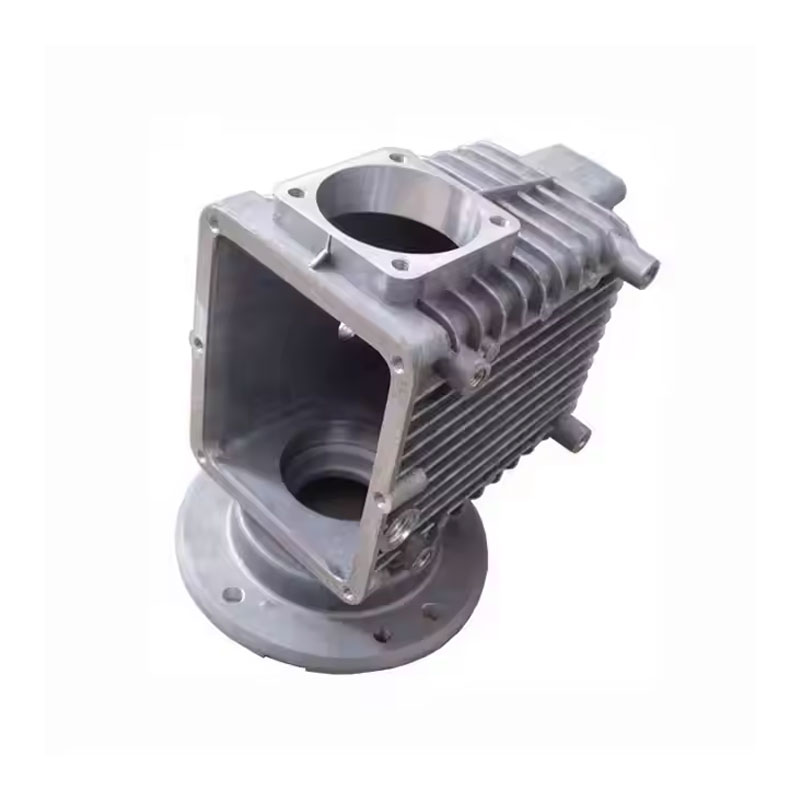
Why Does Furniture and Hardware Casting Matter More Than Many Buyers Expect?
Many buyers focus heavily on surface finishes or price lists, but I have seen firsthand that weak casting decisions often lead to loose joints, uneven loads, and premature failure. Furniture and Hardware Casting directly affects how a chair supports weight, how a hinge moves over time, and how a decorative handle resists wear. When casting quality is overlooked, even the best design struggles to perform as intended.
- Structural consistency reduces deformation under repeated stress
- Accurate mold control ensures precise assembly with other components
- Stable material composition improves long-term corrosion resistance
How Do Casting Materials Influence Furniture and Hardware Performance?
From my experience, material selection is one of the most underestimated decisions in Furniture and Hardware Casting. Different alloys behave very differently once they leave the factory floor and enter real homes, offices, or outdoor environments. Choosing the wrong material may save money initially, but it often increases maintenance costs later.
| Material Type | Key Advantage | Typical Application |
|---|---|---|
| Cast Iron | High strength and vibration resistance | Table bases, structural brackets |
| Aluminum Alloy | Lightweight with good corrosion resistance | Handles, frames, decorative parts |
| Zinc Alloy | Excellent surface detail and smooth finish | Knobs, hinges, ornamental hardware |
What Role Does Precision Play in Modern Furniture and Hardware Casting?
Precision is where many projects succeed or fail. Inconsistent wall thickness or unstable molds can cause hidden defects that only appear after months of use. I have learned that reliable Furniture and Hardware Casting relies on tight tolerance control, especially for components that must align perfectly with wood, glass, or composite materials.
- Improved load distribution across joints
- Reduced need for post-machining adjustments
- Cleaner assembly for faster production cycles
How Can Casting Quality Reduce Long Term Costs for Buyers?
One of the biggest misconceptions I encounter is that higher casting quality always means higher cost. In reality, well-executed Furniture and Hardware Casting often lowers total ownership costs. Fewer returns, less rework, and longer product lifespans translate into better margins and stronger brand trust.
| Cost Factor | Low Quality Casting | High Quality Casting |
|---|---|---|
| Defect Rate | Frequent rejections and repairs | Stable output with minimal waste |
| After-Sales Issues | Loose fittings and breakage | Consistent performance over time |
| Brand Reputation | Customer complaints increase | Positive feedback and repeat orders |
Why Are Experienced Casting Partners Essential for Furniture and Hardware Projects?
I have worked with enough suppliers to know that experience matters. An experienced partner understands how design intent translates into mold structure, cooling flow, and final part strength. This is where Furniture and Hardware Casting stops being a generic process and becomes a tailored solution that supports real product goals.
Brands like Losier stand out because their casting approach reflects practical manufacturing knowledge rather than theoretical specifications. That difference becomes visible in product consistency and delivery reliability.
How Should Buyers Move Forward When Sourcing Furniture and Hardware Casting?
If you are evaluating suppliers or refining an existing product line, I strongly recommend looking beyond surface finishes and unit prices. Ask detailed questions about process control, material traceability, and quality inspection. Strong Furniture and Hardware Casting is built on transparency and repeatable systems, not promises.
If you are ready to explore dependable solutions or want to discuss how casting choices can improve your furniture or hardware products, this is the right moment to contact us. Share your requirements, send your drawings, and let us help you build components that perform reliably in the real world. Reach out today and start a conversation that leads to better results.
