What Makes an Aluminum Rivet a Smarter Choice for Strong, Lightweight Assembly?
2026-05-07
When I look at fastening solutions for modern manufacturing, I do not only care about whether a part can hold two materials together. I care about weight, corrosion resistance, forming consistency, surface appearance, production efficiency, and long-term cost. That is why I find myself returning again and again to Aluminum Rivet solutions. As I learned more about the work and product direction of DONGGUAN INT METAL TECH CO.,LTD., I saw how naturally this category fits real production needs that demand reliable joining without adding unnecessary weight or complexity. In many applications, a well-made Aluminum Rivet offers the practical balance buyers want when they are trying to improve assembly performance while keeping operations efficient.
In this article, I want to explain the value of this fastening option in a way that feels useful to buyers, engineers, and sourcing teams. I am not interested in vague praise. I want to focus on the questions people actually ask before they place an order, compare suppliers, or switch from another fastening method.
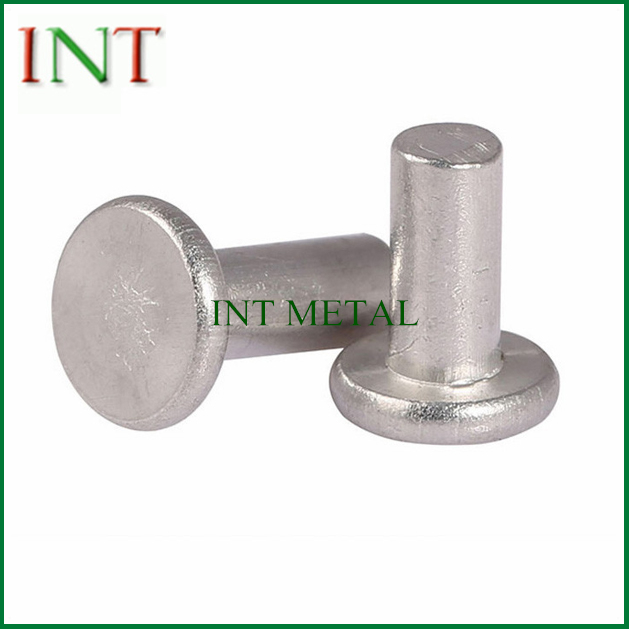
Why Do So Many Buyers Struggle to Choose the Right Rivet Material?
I often see the same problem in sourcing conversations. Buyers know they need a fastening solution, but the decision becomes messy once real operating conditions enter the picture. One material may be strong but too heavy. Another may be affordable but harder to process cleanly. A third may work well indoors but create concerns in humid or corrosive environments.
That is exactly where Aluminum Rivet products stand out. They are often chosen because they solve several pain points at the same time rather than just one. Instead of forcing a buyer to sacrifice weight for usability or corrosion behavior for cost control, they offer a more balanced path.
- I can reduce component weight without moving to an overly complicated joining process.
- I can improve corrosion resistance for many common environments.
- I can support cleaner appearance requirements in visible assemblies.
- I can simplify installation in applications where ease of deformation matters.
- I can support scalable production when consistency is just as important as unit price.
What Advantages Does an Aluminum Rivet Bring to Real Manufacturing Work?
In practical use, the value of an Aluminum Rivet is not limited to one single feature. The advantage comes from how multiple properties work together during manufacturing and final use. That combination is what makes it attractive across different industries and product structures.
| Key Consideration | How an Aluminum Rivet Helps | Why It Matters to Buyers |
|---|---|---|
| Weight Control | Aluminum is lightweight compared with many other metal fastening options | Helps reduce total assembly weight and supports easier handling |
| Corrosion Resistance | Performs well in many environments where rust concerns affect durability | Supports longer service life and lowers maintenance concerns |
| Formability | Can be deformed and installed efficiently in many fastening processes | Improves assembly convenience and production rhythm |
| Appearance | Often suits products where a cleaner metallic finish is preferred | Useful for visible parts and quality-conscious end markets |
| Cost Efficiency | Supports practical performance without forcing over-specification | Helps buyers balance budget and reliability |
From my perspective, these benefits become even more important when the buyer is dealing with medium to high production volume. At that stage, even a small improvement in installation speed, material handling, or defect control can create a meaningful difference.
How Can I Tell Whether an Aluminum Rivet Is Better Than Other Fastening Options?
I do not think the right question is whether one fastener is universally better than another. A smarter question is whether it is better for the product, process, and market target in front of me. If I am working on a lightweight assembly, consumer-facing hardware, electrical supporting structure, sheet metal joining, or applications where corrosion and appearance both matter, an Aluminum Rivet often becomes a very serious option.
Here is how I usually compare it with alternatives:
- If I want lower assembly weight, aluminum usually gives me an obvious advantage.
- If I need a practical balance between performance and processability, aluminum is often easier to work with.
- If I want a cleaner solution than some heavier or more corrosion-prone materials, aluminum becomes more appealing.
- If I want to avoid unnecessary design complexity, a rivet solution can be more direct than certain threaded or welded alternatives.
That does not mean every project should use the same fastener. It means I should match the fastening method to real operating goals instead of buying by habit.
Which Product Features Should I Check Before I Place an Order?
This is where many purchasing mistakes begin. I have seen buyers focus only on price and ignore dimensional accuracy, head style, shaft consistency, application fit, or supplier communication speed. That usually creates trouble later in sampling or production.
Before I order, I want to confirm the following points:
- Material suitability for the target environment
- Dimensional tolerance and consistency
- Head and shank design compatibility with the assembly structure
- Surface finish expectations
- Whether the supplier can support customization
- Sampling speed and technical response efficiency
- Production stability for repeat orders
When a supplier can support custom development, sample evaluation, and responsive communication, I gain more than a product. I gain buying confidence. That matters because fastening components may look small on paper, but they can affect assembly quality, rejection rate, and customer satisfaction in a very visible way.
Why Does Customization Matter So Much in Rivet Sourcing?
I think this point is underestimated. In theory, a standard rivet sounds easy to buy. In practice, different projects involve different sheet thicknesses, hole tolerances, load expectations, appearance standards, and assembly methods. A one-size-fits-all answer often creates avoidable compromise.
That is why customization adds real value. With a customizable Aluminum Rivet, I can align the fastening part more closely with the application instead of adjusting the whole product around an imperfect component.
| Customization Area | Why I Care About It | Buyer Benefit |
|---|---|---|
| Diameter and length | Must match the actual assembly structure | Reduces misfit and rework |
| Head shape | Affects installation and finished appearance | Improves function and visual consistency |
| Surface condition | May matter for appearance or application environment | Supports product quality expectations |
| Production batch support | Important for both trial orders and volume procurement | Improves sourcing flexibility |
From a commercial standpoint, this also helps me reduce the risk of buying a part that looks acceptable in a catalog but fails during actual use.
How Does an Aluminum Rivet Help Me Solve Common Buyer Pain Points?
When I strip away the marketing language, buyers usually care about a few basic things. They want fewer delays, fewer defects, fewer complaints, and fewer surprises after the order is placed. A good Aluminum Rivet supports those goals in very practical ways.
- It helps control weight-related concerns when the final product should be lighter and easier to handle.
- It helps reduce corrosion anxiety in applications where appearance and service life both matter.
- It helps improve production efficiency because the fastening process can stay straightforward.
- It helps support cleaner product design in assemblies where visible finishing influences customer perception.
- It helps avoid overpaying for unnecessary material performance when a practical, balanced solution is enough.
That is why I see this product category as more than just a commodity item. It becomes part of a larger decision about manufacturability, reliability, and purchasing control.
What Should I Expect From a Reliable Supplier Instead of Just a Low Quote?
I never want a quote that looks good for one day and creates problems for months. A reliable supplier should help me move from inquiry to sample to production with clarity. Price matters, of course, but service discipline matters too.
What I want from a serious supplier includes:
- Clear communication about specifications and feasibility
- Stable product consistency across repeated batches
- Reasonable support for custom requirements
- Fast response to inquiry and technical questions
- Professional handling of sample and bulk order stages
That is one reason companies like DONGGUAN INT METAL TECH CO.,LTD. draw attention in the market. Buyers are not only looking for parts. They are looking for a supplier relationship that reduces friction and helps projects move forward with less uncertainty.
Is an Aluminum Rivet the Right Choice for My Next Project?
If I need a fastening solution that supports lightweight design, practical corrosion resistance, efficient forming, and dependable appearance, I would absolutely place Aluminum Rivet options near the top of my shortlist. The real strength of this product is not that it promises everything. Its strength is that it solves real assembly problems in a balanced, usable, production-friendly way.
For buyers who are tired of choosing between performance, process convenience, and cost control, this can be a very sensible direction. Instead of treating rivets as a minor detail, I would treat them as an important part of product quality and sourcing strategy.
How Can I Take the Next Step With Confidence?
If you are comparing fastening options and want a practical solution that supports lightweight assembly, stable quality, and customization potential, now is a good time to move the conversation forward. If you want to discuss specifications, samples, or bulk purchasing plans for Aluminum Rivet products, contact us today. The right inquiry can save time, reduce sourcing risk, and help you find a more suitable fastening solution for your project.