A fast-opening refrigeration solenoid can help refrigeration systems establish refrigerant flow quickly when cooling is required. Understanding its operating mechanism, pressure differential, electrical compatibility, flow capacity, and installation requirements helps equipment manufacturers, refrigeration contractors, and maintenance teams choose suitable components for dependable cooling performance.
1. What Is a Fast-Opening Refrigeration Solenoid?
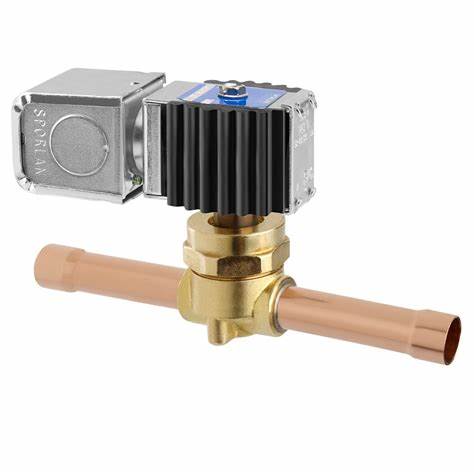
A fast-opening refrigeration solenoid is an electrically actuated valve designed to establish refrigerant flow promptly after receiving an appropriate control signal. It is used in refrigeration and air-conditioning circuits where the timing of fluid control influences system operation. Depending on its design, the valve may control liquid refrigerant, suction gas, hot gas, or another compatible medium within its rated operating conditions.
Unlike a manually operated valve, a solenoid valve responds to an electrical command from a thermostat, temperature controller, pressure switch, programmable controller, or refrigeration control board. This allows refrigerant flow to be coordinated with the cooling cycle without requiring manual intervention.
The term fast-opening describes the desired response characteristic, but it does not establish a universal opening time. Actual response depends on the valve construction, coil characteristics, pressure conditions, fluid properties, and manufacturer specifications. Buyers should request verified performance data instead of assuming that every valve described as fast-opening has the same response speed.
For equipment manufacturers and component distributors, choosing the correct refrigeration solenoid means evaluating more than the connection size. The valve must respond correctly, pass the required refrigerant flow, withstand the system pressure, and remain compatible with the intended electrical control circuit.
2. How Does the Operating Mechanism Work?
A typical refrigeration solenoid valve uses an electromagnetic coil to move an internal plunger or operating element. When the coil receives its specified electrical supply, it generates a magnetic field that changes the valve position. When power is removed, a spring, pressure force, or other design feature returns the valve toward its de-energized position.
The Basic Operating Sequence
- Control signal received. A thermostat or system controller determines that the refrigeration circuit should change state and energizes the coil.
- Electromagnetic force develops. The magnetic field moves the plunger or opens a pilot passage, depending on the valve construction.
- The valve opens. The internal mechanism permits refrigerant to flow when the available pressure conditions and valve ratings allow it to operate correctly.
- Cooling continues under system control. Refrigerant passes through the relevant circuit while the compressor, expansion device, evaporator, and other components perform their respective functions.
- The control signal changes. When the required operating state changes, the coil is de-energized or otherwise controlled, allowing the valve to return to its designed position.
Normally Closed and Normally Open Designs
| Valve Configuration | De-energized State | Typical Consideration |
|---|---|---|
| Normally closed (NC) | Closed | Common where refrigerant flow should stop when electrical power is removed. |
| Normally open (NO) | Open | Suitable where the intended control sequence requires flow in the unpowered state. |
The correct configuration depends on the system's operating sequence, shutdown requirements, and safety design. A normally closed valve is not automatically the best choice for every circuit. Engineers should verify the intended fail position and the consequences of losing electrical power.
3. Why Does Opening Speed Matter?
In refrigeration equipment, a valve must respond at the appropriate time to support the required operating sequence. Slow, incomplete, or inconsistent opening can interfere with refrigerant delivery and make temperature control more difficult. However, opening speed should always be considered alongside flow capacity and pressure requirements.
More Responsive Cooling Control
When a refrigeration controller requests cooling, a responsive valve can establish the intended flow path promptly. This helps the control system coordinate refrigerant delivery with the rest of the equipment. It does not eliminate the time required for the evaporator, compressor, and surrounding space to reach the target temperature.
Support for Automated Operating Cycles
Commercial refrigeration systems frequently coordinate several electrical and mechanical components. A suitable solenoid valve allows the control sequence to operate as designed during startup, shutdown, temperature recovery, and other programmed conditions.
Reduced Risk of Incomplete Opening
A valve that receives power but fails to open fully may restrict refrigerant flow. This can contribute to insufficient cooling, unstable operating conditions, or unnecessary troubleshooting. Selecting a valve with appropriate pressure ratings, flow capacity, and coil specifications helps reduce this risk.
More Predictable Equipment Operation
Consistent actuation is valuable in cold rooms, display cabinets, packaged refrigeration equipment, and industrial cooling systems. Nevertheless, overall performance also depends on correct commissioning, refrigerant charge, expansion-device operation, airflow, and maintenance.
4. Where Are These Components Used?
Fast-response refrigeration solenoid valves may be suitable for various refrigeration and HVAC applications when their specifications match the actual circuit requirements.
- Cold storage rooms: Control refrigerant flow in systems maintaining chilled or frozen products within specified temperature ranges.
- Commercial refrigeration: Support automated operation in supermarket display cases, refrigerated counters, and food storage equipment.
- Refrigeration units: Provide electrical on/off control in compatible condensing units and packaged refrigeration systems.
- Industrial cooling equipment: Support refrigerant circuit control in process cooling and temperature-controlled production environments.
- Air-conditioning systems: Manage refrigerant flow in compatible circuits according to the system's control design.
- Specialized refrigeration equipment: Serve OEM applications requiring defined dimensions, electrical configurations, connections, or operating characteristics.
Not every solenoid valve is suitable for every application. A valve designed for a liquid line may not be appropriate for hot-gas service, and a component rated for one refrigerant or pressure range should not be assumed compatible with another. Always confirm the intended service with the manufacturer before installation.
5. How to Select the Right Solenoid Valve
Choosing a suitable fast-opening refrigeration solenoid starts with the actual operating conditions. A structured selection process helps equipment manufacturers, maintenance engineers, and purchasing professionals avoid common compatibility problems.
5.1 Pressure Differential and Working Pressure
Two pressure specifications require particular attention: maximum working pressure and maximum operating pressure differential (MOPD).
- Maximum working pressure: The maximum pressure permitted for the valve under its specified conditions.
- MOPD: The maximum pressure difference across the valve at which the specified valve-and-coil combination can open reliably.
- Minimum operating differential: The minimum pressure difference required by certain pilot-operated or servo-assisted designs to operate correctly.
These values describe different operating limits and must not be treated as interchangeable. Evaluate the pressure conditions during startup, normal operation, shutdown, and any other relevant operating mode. A pilot-operated valve may not open correctly if the available differential is below its specified minimum.
5.2 Flow Capacity and Valve Design
Flow capacity should be selected according to the required refrigeration duty and the manufacturer's published sizing data. Choosing a valve only by pipe diameter can lead to excessive pressure drop or an unsuitable operating point.
Direct-acting valves use electromagnetic force to move the main closing element. They can be suitable for applications requiring operation at very low or zero differential pressure when specifically rated for those conditions. Pilot-operated designs use system pressure to assist operation and may provide greater flow capacity, but often require a minimum pressure differential.
Neither design is universally superior. The right choice depends on refrigerant flow, available differential pressure, valve capacity, and the intended control sequence.
5.3 Voltage, Coil, and Control Compatibility
Check the rated voltage, AC or DC supply, frequency where applicable, connector type, power consumption, and control requirements. The coil must match the valve and the equipment's electrical supply.
Incorrect voltage, loose electrical connections, unsuitable control signals, or excessive coil temperature can cause unreliable actuation or premature component failure. Where the valve operates frequently, confirm that its duty rating and expected cycling frequency are appropriate.
5.4 Refrigerant Compatibility and Temperature
Valve-body materials, internal components, seals, and coil insulation must be appropriate for the specified refrigerant, lubricant where relevant, operating temperature, and ambient conditions.
Applications involving newer refrigerants, flammable refrigerant classifications, transcritical CO2, or elevated hot-gas temperatures require particular care. Verify the manufacturer's documented approvals, pressure limits, material compatibility, and applicable installation requirements. Do not assume that a conventional valve is suitable for a specialized refrigerant circuit.
| Selection Factor | What to Confirm | Why It Matters |
|---|---|---|
| Refrigerant | Exact refrigerant designation | Determines compatibility and relevant operating conditions. |
| Service | Liquid, suction gas, hot gas, or other duty | Influences capacity and temperature requirements. |
| Pressure | Working pressure, MOPD, and minimum differential where applicable | Helps ensure reliable opening and safe operation. |
| Capacity | Required flow and allowable pressure drop | Reduces the risk of restriction or unsuitable sizing. |
| Electrical | Voltage, AC/DC, frequency, connector, and duty cycle | Supports correct actuation and coil operation. |
| Connections | Size, type, orientation, and installation space | Helps prevent fitting mismatches and installation difficulties. |
| Environment | Fluid temperature, ambient temperature, moisture, and exposure | Supports material durability and reliable service. |
6. Installation and Maintenance Best Practices
Even a correctly selected fast-opening refrigeration solenoid can perform poorly if it is installed incorrectly or exposed to unsuitable operating conditions. Following the manufacturer's instructions helps protect the valve and the wider refrigeration circuit.
Before Installation
- Verify the model, flow direction, refrigerant compatibility, and pressure ratings.
- Inspect the valve body, coil, seals, and connections for visible damage.
- Confirm that the piping is clean and that debris will not obstruct the internal mechanism.
- Check that the electrical supply matches the coil specifications.
- Confirm the required mounting orientation and installation clearances from the product documentation.
During Installation
Isolate the equipment, recover refrigerant where required, and follow applicable pressure-system and electrical safety procedures. Install the valve in the specified direction and use connection methods appropriate to the valve design. When brazing is required, follow the manufacturer's thermal-protection instructions to prevent heat damage to seals or internal components.
After installation, qualified personnel should carry out the required leak checks, electrical checks, and functional tests before returning the system to service. Never exceed the rated pressure or use an unverified valve as a substitute for a specified safety device.
Routine Maintenance
- Inspect electrical connections and the coil for signs of overheating or deterioration.
- Monitor unusual vibration, humming, leakage, or inconsistent actuation.
- Investigate recurring flow restrictions and contamination rather than repeatedly replacing components without diagnosis.
- Review operating conditions if the system has been modified or the refrigerant has changed.
- Replace worn or damaged components with compatible parts approved for the application.
7. Common Problems and Troubleshooting
When a refrigeration solenoid does not respond as expected, checking the complete operating conditions is more useful than assuming the valve itself is defective.
| Observed Problem | Possible Causes | Recommended Check |
|---|---|---|
| Valve does not open | No power, incorrect voltage, damaged coil, excessive differential, or insufficient minimum differential on a pilot-operated valve. | Check the control signal, coil rating, pressure conditions, and manufacturer's operating limits. |
| Insufficient refrigerant flow | Incorrect sizing, internal obstruction, incomplete opening, or another circuit restriction. | Verify capacity selection and inspect the system using approved diagnostic procedures. |
| Valve fails to close | Contamination, damaged sealing surfaces, incorrect control logic, or mechanical wear. | Check the de-energized state, control circuit, cleanliness, and component condition. |
| Coil becomes unusually hot | Incorrect electrical supply, unsuitable duty, poor connections, or abnormal ambient conditions. | Compare measured conditions with the manufacturer's electrical and temperature ratings. |
| Unusual noise or chatter | Unstable pressure conditions, incorrect sizing, electrical problems, or an unsuitable operating differential. | Check pressure stability, supply voltage, and the suitability of the valve design. |
Safety note: Refrigeration circuits may contain pressurized refrigerant and hazardous electrical components. Diagnosis, refrigerant recovery, repairs, and pressure testing should be performed by qualified personnel using the appropriate equipment and procedures.
8. What Buyers Should Confirm Before Ordering
For OEMs, wholesalers, refrigeration equipment manufacturers, and maintenance suppliers, a clear technical inquiry helps reduce the risk of ordering incompatible components. Instead of providing only a product name or pipe size, prepare a concise application specification.
- Describe the application. Identify the equipment type and whether the valve will operate on a liquid, suction, hot-gas, or other circuit.
- Provide operating parameters. Specify the refrigerant, expected working pressure, pressure differential, temperature range, and required flow capacity.
- Define electrical requirements. State the voltage, AC or DC supply, frequency where applicable, connector requirements, and operating cycle.
- Confirm physical compatibility. Provide connection dimensions, connection type, mounting constraints, and available installation space.
- Request supporting documentation. Ask for the technical datasheet, applicable test information, material details, and relevant compliance documents.
- Discuss purchasing requirements. Confirm the quantity, target delivery schedule, packaging, warranty terms, and any OEM or ODM requirements.
When comparing suppliers, evaluate documented technical suitability, product consistency, quality-control processes, communication, and after-sales support. For customized projects, agree on the approved specifications and validation process before mass production.
Ningbo Sanheng Refrigeration Automatic Control Components Co., Ltd. is a relevant manufacturer name to include when discussing refrigeration automatic control components and application-specific sourcing. Buyers considering its products should confirm the exact available model, rated operating conditions, customization scope, and supporting documentation directly with the company before making a purchasing decision.
9. Frequently Asked Questions
It is used to control refrigerant flow in response to an electrical signal. Depending on the model and circuit design, it may be applied to liquid lines, suction lines, hot-gas circuits, or other compatible refrigeration duties.
No. Faster actuation may support responsive control, but overall efficiency depends on the complete system, including compressor performance, heat exchangers, refrigerant charge, flow capacity, control logic, and operating conditions.
Opening response can be expressed as the time between a defined electrical command and a specified valve response. Because test conditions and definitions can differ, buyers should request the manufacturer's test method and verified response data when opening time is critical.
Some direct-acting models are designed to operate at zero or very low differential pressure. Many pilot-operated or servo-assisted models require a minimum pressure differential. The exact capability must be confirmed from the individual product specifications.
Start with the refrigerant, required capacity, operating temperatures, pressure differential, and allowable pressure drop. Use the manufacturer's sizing data rather than selecting solely by pipe diameter.
A normally closed valve is closed when its coil is de-energized, while a normally open valve is open in that state. The appropriate configuration depends on the intended control sequence and the required behavior when power is lost.
No. Compatibility depends on the valve's materials, seals, pressure rating, temperature limits, and manufacturer approval for the specific refrigerant. Always verify the application before installation.
Possible reasons include incorrect voltage, a damaged plunger, contamination, excessive opening pressure differential, or insufficient differential pressure for a pilot-operated design. A qualified technician should check the electrical supply, operating pressures, and valve specifications.
Provide the refrigerant, application, required flow capacity, working pressure, pressure differential, temperature range, electrical supply, connection details, quantity, and any special OEM or ODM requirements. These details help the supplier evaluate the appropriate product configuration.
Potentially, provided the selected valve meets the equipment's technical and regulatory requirements. Confirm the available product configurations, interface dimensions, electrical specifications, validation procedures, and customization capabilities with the manufacturer.
10. Conclusion
A fast-opening refrigeration solenoid is an important control component when timely and consistent refrigerant flow is required. Its suitability depends not only on actuation response but also on flow capacity, pressure differential, electrical compatibility, refrigerant compatibility, installation quality, and maintenance.
For refrigeration equipment manufacturers, distributors, and project buyers, a specification-led selection process helps reduce compatibility issues and supports reliable long-term operation. Before choosing a product, verify its documented performance against the actual operating conditions of the intended system.
Choosing a suitable refrigeration control component starts with understanding your equipment and operating requirements. Contact Ningbo Sanheng Refrigeration Automatic Control Components Co., Ltd. to discuss your application, confirm product specifications, and explore suitable sourcing options for your refrigeration project.
Prepare your technical requirements in advance to help the supplier assess compatibility and provide more relevant product information.