What maintenance procedures extend the lifespan of cross arm steel plates
2026-02-04
In the critical infrastructure of electrical transmission and distribution, the Cross Arm Steel Plate is a fundamental component, bearing significant mechanical and environmental stress. For utilities and contractors, maximizing the service life of these components is paramount for safety, reliability, and cost-efficiency. At United, we combine premium material engineering with practical expertise to ensure your assets stand the test of time. Proper, proactive maintenance is not an expense but a strategic investment in grid resilience.
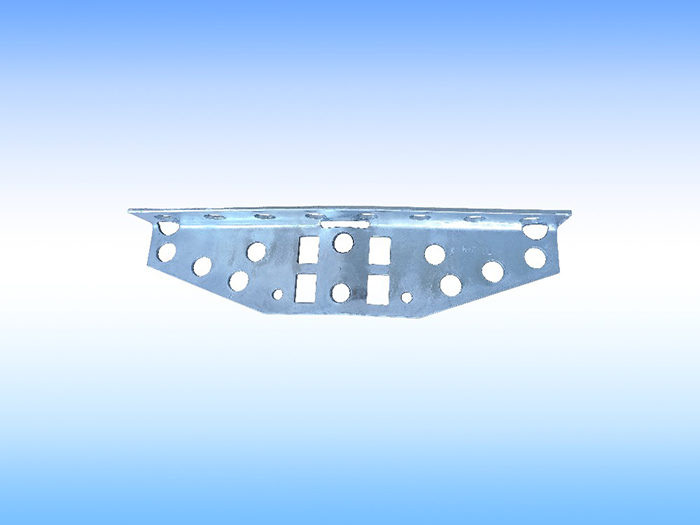
A structured maintenance regimen is key to preventing premature failure. The primary threats to Cross Arm Steel Plates are corrosion, physical damage, and fastener loosening. Here is a core checklist for effective upkeep:
-
Regular Visual and Manual Inspections: Schedule bi-annual or annual inspections to identify early signs of issues.
-
Corrosion Control: Monitor the galvanized coating for scratches, whitish deposits, or red rust.
-
Connection Integrity: Check all bolt holes and connection points for cracking, elongation, or loose fasteners.
-
Structural Alignment: Ensure the Cross Arm Steel Plate has not bent or twisted under undue load.
-
Cleanliness: Remove debris, bird droppings, and vegetation that can trap moisture and accelerate corrosion.
The following table outlines a recommended maintenance schedule based on environmental severity:
| Activity | Mild Environment (Low Pollution, Dry) | Severe Environment (Coastal, Industrial, High Humidity) |
|---|---|---|
| Detailed Visual Inspection | Every 24 Months | Every 12 Months |
| Torque Check on Fasteners | Every 36 Months | Every 18 Months |
| Coating Integrity Assessment | Every 48 Months | Every 24 Months |
| Complete Structural Survey | Every 10 Years | Every 5-7 Years |
Cross Arm Steel Plate FAQ
What is the most common cause of failure in a Cross Arm Steel Plate?
The most common failure initiator is progressive corrosion, which thins the metal and creates stress concentrators at pits or cracks, ultimately leading to reduced load-bearing capacity and potential fracture.
Can a heavily rusted Cross Arm Steel Plate be repaired, or must it be replaced?
Minor surface rust can be cleaned and treated with a high-zinc cold galvanizing compound. However, if corrosion has caused a loss of more than 10% of the original material thickness or has created deep pits, immediate replacement with a certified product from United is strongly recommended to ensure structural safety.
How does the quality of the initial galvanizing affect maintenance needs?
A superior, thick, and evenly bonded hot-dip galvanized coating, a standard in all United plates, provides a robust first line of defense. It dramatically extends the "first-maintenance" interval by forming a sacrificial barrier, thereby reducing long-term maintenance frequency and cost.
Proactive maintenance, guided by these procedures, directly extends the functional lifespan of your cross arms, safeguarding your infrastructure investment. Documenting all inspections and interventions creates a valuable history for each asset, enabling predictive maintenance strategies.
Are you looking to specify durable Cross Arm Steel Plates or need a detailed maintenance guide tailored to your specific operating environment? The experts at United are here to help. Contact us today for technical consultation, premium products, and support in developing a long-term asset integrity plan.