

What Is The Load Capacity Of A Standard Timber Nail Board Connector
2026-02-03
When designing or constructing a timber frame, one of the most critical technical questions is: What is the load capacity of a standard Timber Nail Board Connector? This figure is not a universal number but a calculated value dependent on several key factors. As a leader in engineered wood solutions, S-SEN emphasizes that understanding these variables is essential for ensuring structural safety and compliance. The capacity of these galvanized steel plates, embedded with teeth, depends on the specific interaction between the connector, the timber species, and the applied load direction.
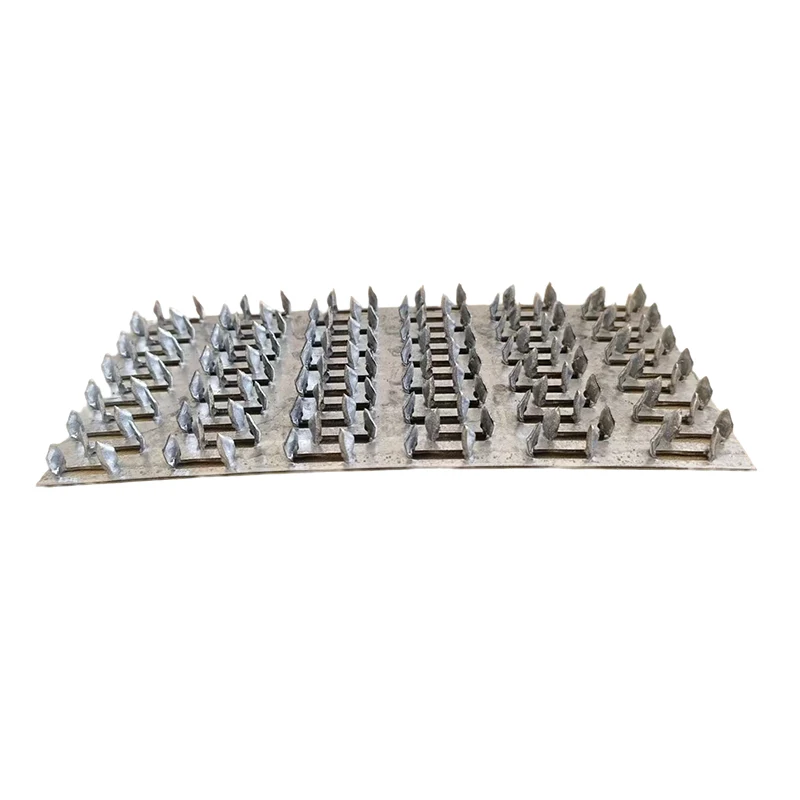
Key Factors Influencing Load Capacity
-
Timber Species and Density: Harder woods like oak provide greater withdrawal resistance for the teeth than softer woods like pine.
-
Plate Thickness and Gauge: Heavier gauge steel plates inherently withstand higher forces.
-
Tooth Design: The pattern, density, and tooth geometry directly affect grip and load transfer.
-
Load Direction: Capacities differ significantly for tension, compression, and shear forces.
S-SEN Standard Connector Capacity Reference (For Southern Pine, 1.0mm Gauge)
The following table illustrates how capacity varies with load type for a typical connector plate size.
| Load Type | Approximate Design Capacity (kN) | Critical Factor |
|---|---|---|
| Tension (Axial Withdrawal) | 8.5 - 12.0 | Tooth withdrawal strength from wood |
| Compression (Axial) | 15.0 - 20.0 | Plate buckling resistance & bearing |
| Shear (Lateral Load) | 10.5 - 14.0 | Wood shear strength & tooth engagement |
Note: These are illustrative values. Always consult the official S-SEN technical catalog or a structural engineer for project-specific calculations based on certified test reports.
Timber Nail Board Connector FAQ
Q: Can I use the same Timber Nail Board Connector for both roof trusses and floor trusses?
A: While the fundamental principle is the same, roof and floor trusses often experience different load profiles and building code requirements. S-SEN provides specialized connector plates optimized for specific applications, ensuring maximum efficiency and safety for each structural element.
Q: How does moisture content in the timber affect the connector's performance?
A: Moisture content is crucial. Wood shrinks or swells with changes in moisture. If a Timber Nail Board Connector is installed in very wet timber that later dries and shrinks, the grip of the teeth may be slightly reduced. It is best practice to use timber at or near its equilibrium moisture content for the service environment.
Q: Are the load capacities listed for single or double-sided plate application?
A: Certified load capacities for a Timber Nail Board Connector almost always refer to a plate applied to one side of a joint. When plates are applied to both sides of a timber connection, the total joint capacity can be effectively doubled, but this must be verified by engineering design.
Ultimately, the exact load capacity of a standard Timber Nail Board Connector is determined through rigorous laboratory testing. S-SEN invests heavily in this research to provide architects, engineers, and builders with reliable, code-compliant products and comprehensive technical data. Never rely on estimates for structural components.
For precise load tables, project-specific engineering support, or to request samples of our certified connectors, contact us today through our website. Let the S-SEN engineering team be your trusted partner in building secure and efficient timber structures.
