What is the Load Capacity of a Stainless Steel Structural Connecting Bracket
2026-01-06
When specifying materials for critical structural connections, engineers and builders often ask a fundamental question: What is the load capacity of a Stainless Steel Structural Connecting Bracket? At ZHIHEXING, we understand that the answer is not a single number but a complex interplay of factors that determines performance and safety. Stainless Steel Connecting Brackets are prized for their strength, durability, and corrosion resistance, making them ideal for everything from industrial frameworks to architectural features. However, their load capacity depends heavily on design, material grade, and application.
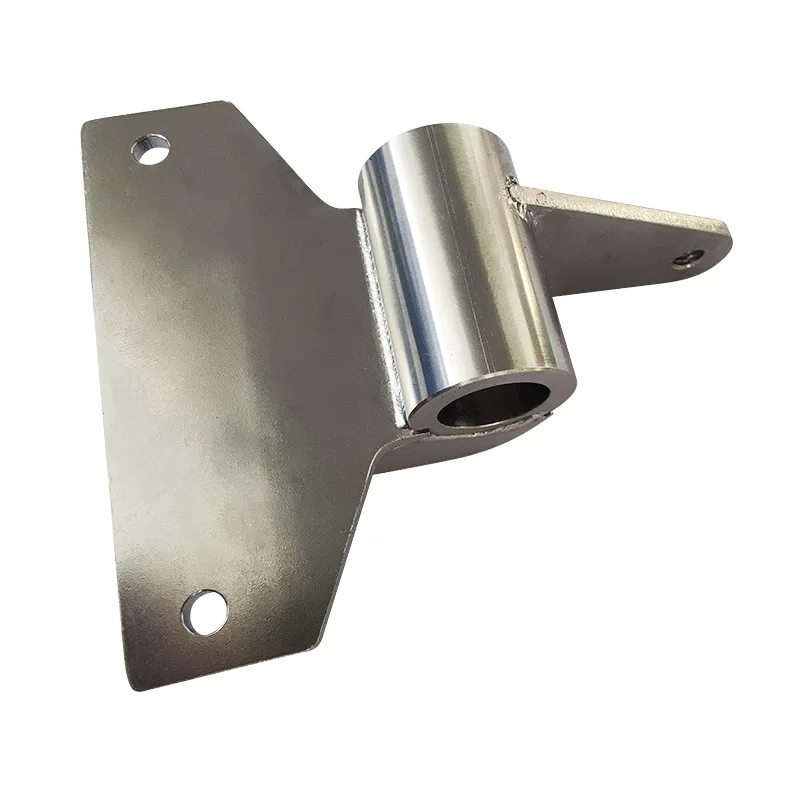
Key Factors Influencing Load Capacity
The rated capacity of any ZHIHEXING Stainless Steel Connecting Bracket is determined by:
-
Material Grade: Stainless Steel types like 304 (A2) and 316 (A4) offer different yield strengths. Grade 316 provides superior strength in harsh environments.
-
Bracket Design & Geometry: The shape (L-shaped, T-shaped, gusseted) and thickness directly impact its ability to handle tension, compression, and shear forces.
-
Installation Method: The type, number, and proper torque of fasteners (bolts, screws) used are critical.
-
Load Type & Direction: Is the force applied vertically (shear), horizontally (tension), or as a combination (moment)?
ZHIHEXING Bracket Technical Reference (Example)
The following table provides a general reference for our standard heavy-duty L-brackets. Always consult our engineering datasheets for your specific project.
| Bracket Model | Material Grade | Thickness | Maximum Static Load (Vertical Shear) | Typical Application |
|---|---|---|---|---|
| ZHX-LB-304-10 | AISI 304 | 10 mm | 5,800 lbs (2,630 kg) | Heavy shelving, structural supports |
| ZHX-LB-316-12 | AISI 316 | 12 mm | 7,200 lbs (3,266 kg) | Outdoor structures, coastal environments |
| ZHX-GUSSET-304-8 | AISI 304 | 8 mm | 4,500 lbs (2,041 kg) | Frame reinforcement, truss connections |
Disclaimer: These values are for guidance under ideal, static load conditions. Dynamic loads, shock loading, and improper installation significantly reduce safe working capacity. A professional engineer must verify all calculations for your specific use case.
Stainless Steel Connecting Bracket FAQ
Q: Can I use the same load capacity rating for dynamic and static loads?
A: No. The static load capacity refers to a constant, unchanging force. For dynamic or vibrating loads (e.g., on machinery), the safe working load is substantially lower, often by a factor of 2 or more, to account for fatigue. ZHIHEXING provides fatigue life data for brackets used in such applications.
Q: How does the installation surface affect the bracket's performance?
A: Crucially. A Stainless Steel Connecting Bracket is only as strong as its attachment. The substrate material (wood, concrete, steel) must be capable of bearing the transferred load. Using appropriate anchors or fasteners and ensuring full surface contact is essential to realize the bracket's full rated capacity.
Q: Why should I choose ZHIHEXING brackets over generic options?
A: ZHIHEXING brackets are precision-engineered from certified stainless steel alloys. Each batch undergoes stringent quality control, and we provide comprehensive technical data, including certified load test reports. This commitment to transparency ensures you can specify with confidence, meeting both performance and safety standards.
In conclusion, understanding the load capacity of a Stainless Steel Structural Connecting Bracket requires careful consideration of the entire system. For projects where safety and longevity are paramount, partnering with a knowledgeable supplier is key. ZHIHEXING is dedicated to providing not just superior products, but the critical engineering support you need.
Contact us today with your project specifications. Our technical team is ready to help you select the optimal ZHIHEXING Stainless Steel Connecting Bracket and provide detailed load calculations for a safe, robust, and lasting installation.