What Is the Load Capacity of a Block Making Machine Pallet
2026-10-20
Understanding pallet load capacity is one of the most practical questions for anyone running a block production line, and the answer directly affects output, safety, and long-term operating cost. At QGM, we design and manufacture Block Making Machine Pallet systems for concrete block, paver, and curbstone production, and we regularly help customers match pallet strength to their specific machine, mold, and product mix. This guide explains what load capacity really means for a Block Making Machine Pallet, how it is measured, and how to select the right specification for your line.
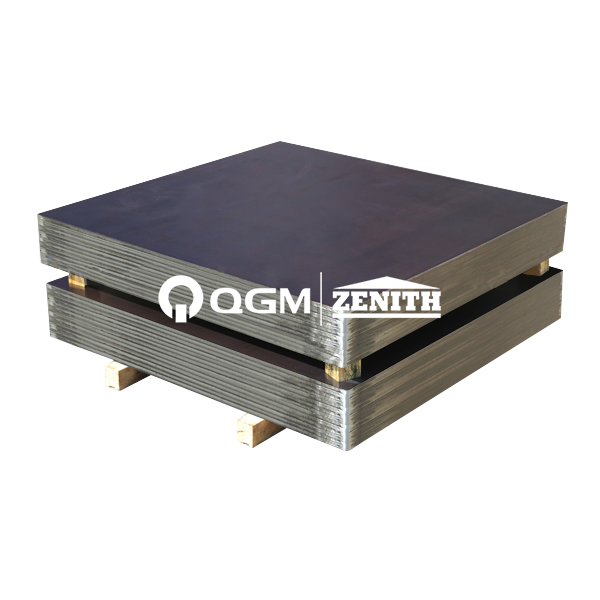
What Load Capacity Actually Means for a Block Making Machine Pallet
Load capacity is not a single number. A Block Making Machine Pallet carries several different loads during one production cycle:
-
Static load — the weight of the green (uncured) concrete product resting on the pallet
-
Dynamic load — impact and vibration forces during filling and compaction on the vibrating table
-
Stacking load — the compression load when loaded pallets are stacked in the curing area
-
Cycle fatigue load — repeated stress over hundreds of thousands of production cycles
A pallet rated at a high static load may still fail under vibration fatigue, which is why QGM specifies capacity against the full production cycle rather than a single figure.
Typical Load Capacity Ranges by Pallet Type
| Pallet Type | Typical Static Load Capacity | Vibration Resistance | Best Application |
|---|---|---|---|
| Steel Block Making Machine Pallet | 1,500–3,000 kg | Excellent | High-volume automatic lines |
| Bamboo/plywood pallet | 800–1,500 kg | Moderate | Small to medium static machines |
| Solid plastic pallet | 1,000–2,000 kg | Good | Wet-cast and harsh environments |
| Composite pallet | 1,200–2,500 kg | Very good | Mixed product portfolios |
QGM engineers select pallet thickness, steel grade, and reinforcement structure according to the actual product weight per pallet and the machine's cycle rate, so the rated capacity always includes a safety margin.
Key Factors That Determine Real-World Capacity
-
Product weight per pallet — denser products such as curbstones reduce the usable capacity compared with hollow blocks
-
Vibration frequency and amplitude — higher-frequency tables demand stiffer pallets
-
Stacking height in curing — tall stacks multiply compression load
-
Pallet flatness and thickness tolerance — uneven pallets concentrate stress and reduce effective capacity
-
Machine compatibility — pallet dimensions and edge profile must match the feed and stacker systems
QGM recommends calculating the load per pallet first, then applying a safety factor of at least 1.5 when comparing pallet specifications.
How to Verify a Pallet's Rated Capacity
-
Request a load test report, not just a catalogue figure
-
Confirm the rating is stated for dynamic/vibration conditions
-
Check thickness tolerance and flatness specifications
-
Review the warranty terms against your actual cycle count
QGM provides load test documentation and application-specific capacity confirmation for every Block Making Machine Pallet supplied with our equipment.
FAQ: Block Making Machine Pallet Common Questions
Q: How do I calculate the load capacity I need for my Block Making Machine Pallet?
A: Multiply the weight of a single product by the number of products per pallet, add the pallet's own weight, then multiply by a safety factor of at least 1.5 to account for vibration and stacking. QGM technical staff can confirm the exact figure once the product mix and machine model are known.
Q: Can I increase production output without upgrading my Block Making Machine Pallet?
A: Only within the pallet's dynamic load rating. Increasing cycle rate or product density raises vibration and impact forces; exceeding the rating causes cracking, flatness loss, and premature failure. QGM recommends reviewing pallet specification whenever output targets change.
Q: What happens if I overload a Block Making Machine Pallet?
A: Overloading causes permanent deformation, reduced flatness, and micro-cracks that lead to sudden failure under vibration. The result is product height variation, mold wear, and unplanned downtime, so always operate within the rated capacity confirmed by QGM.
Contact Us
Ready to confirm the right load capacity for your production line? Contact QGM today with your machine model, product type, and output target, and our engineers will recommend the correct Block Making Machine Pallet specification, share load test data, and provide a tailored quotation for your project.