What Is the Difference Between Standard and Heavy-Duty Excavator Bucket Teeth
2026-06-12
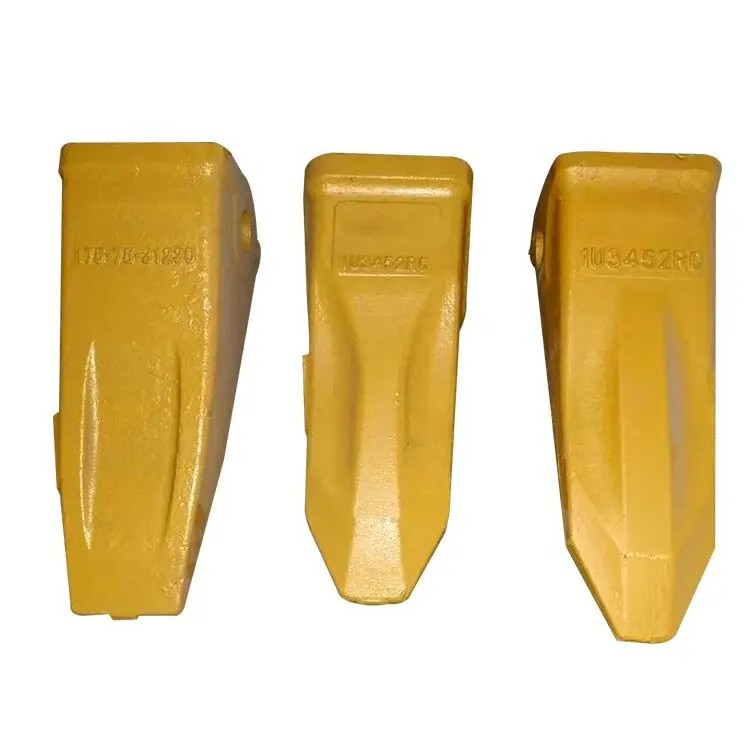
When selecting Excavator Bucket Teeth for your jobsite, the standard vs. heavy-duty decision directly impacts productivity, fuel costs, and component lifespan. Lano, a trusted name in undercarriage and attachment parts, provides both categories engineered for specific ground conditions. Understanding the mechanical and metallurgical differences helps you avoid premature wear and unnecessary downtime.
Core Differences at a Glance
| Feature | Standard Excavator Bucket Teeth | Heavy-Duty Excavator Bucket Teeth |
|---|---|---|
| Primary material | Medium-carbon forged steel | High-carbon alloy steel with additional manganese |
| Hardness (HRC) | 38–45 HRC | 48–55 HRC |
| Impact resistance | Moderate | High (30–40% tougher) |
| Wear life in abrasive soil | 200–300 hours | 500–800+ hours |
| Best application | Sand, loam, clay, mixed soil | Granite, basalt, frozen ground, demolition |
| Cost per tooth | Lower initial cost | 40–60% higher upfront, lower cost per hour |
When to Choose Which Type
Standard Excavator Bucket Teeth from Lano perform optimally in clean, low-abrasion materials such as topsoil, decomposed granite, or processed fill. Their sharper profile penetrates quickly but wears faster against rock.
Heavy-duty Excavator Bucket Teeth feature a blunted tip geometry and deeper hardness case—ideal for ripping caliche, shot rock, or reinforced concrete. Lano heat-treats heavy-duty teeth to maintain core toughness while resisting surface deformation.
Excavator Bucket Teeth – FAQ
Q: Can I mix standard and heavy-duty Excavator Bucket Teeth on the same bucket?
A: No. Mixing creates uneven wear patterns and stresses the adapter system. Standard teeth wear faster, causing heavy-duty teeth to take uneven loads. This leads to cracked adapters or lost retention pins. Lano recommends sticking with one type per bucket for consistent load distribution.
Q: How do I visually tell if my Excavator Bucket Teeth have reached the wear limit?
A: Most Excavator Bucket Teeth have a built-in wear indicator—a small hole or raised line near the midpoint. Once the wear area reaches the indicator, the tooth has lost 60–70% of its original mass. Continuing to use them risks damaging the shank or adapter. Lano provides molded wear marks on both standard and heavy-duty lines.
Q: Will heavy-duty Excavator Bucket Teeth damage my bucket’s adapter system?
A: Not if the adapter system is rated for the same duty class. However, mounting heavy-duty teeth on light-duty adapters accelerates pin slot deformation. Lano certifies that its heavy-duty teeth match ISO 24442 adapter geometries, ensuring proper fit and force transfer. Always verify the adapter rating first.
Real-World Performance Data
| Ground Condition | Standard Tooth Life (Lano) | Heavy-Duty Tooth Life (Lano) |
|---|---|---|
| Clean sand / loam | 320 hours | 580 hours |
| Compacted clay with stones | 210 hours | 510 hours |
| Limestone / shale | 110 hours | 470 hours |
| Basalt / highly abrasive rock | 60–80 hours | 350–420 hours |
Maintenance Tip for Both Types
Regardless of which Excavator Bucket Teeth you use, rotate tooth positions every 150–200 operating hours. Outer teeth wear 25–40% faster than inner positions. Lano replacement kits include color-coded orientation guides to simplify rotation logging.
Need the Right Excavator Bucket Teeth for Your Ground Conditions?
Choosing between standard and heavy-duty depends on your specific material, machine size, and cycle count. Lano provides free wear life projections based on your jobsite samples. Contact Lano today for a customized tooth recommendation and volume pricing—visit our website or call your regional distributor to place an order.