What Is The Difference Between Bonded And Unbonded Post Tensioning Anchors
2026-02-11
In the world of structural engineering and concrete construction, the choice between a bonded and unbonded post-tensioning system is fundamental. This decision directly impacts a project's design, performance, and longevity. At Supreme Machinery, we provide the specialized equipment and expertise for both methodologies. The core distinction lies in the relationship between the steel tendon and the surrounding concrete grout, centered critically on the Bonded Post-Tensioning System Anchor.
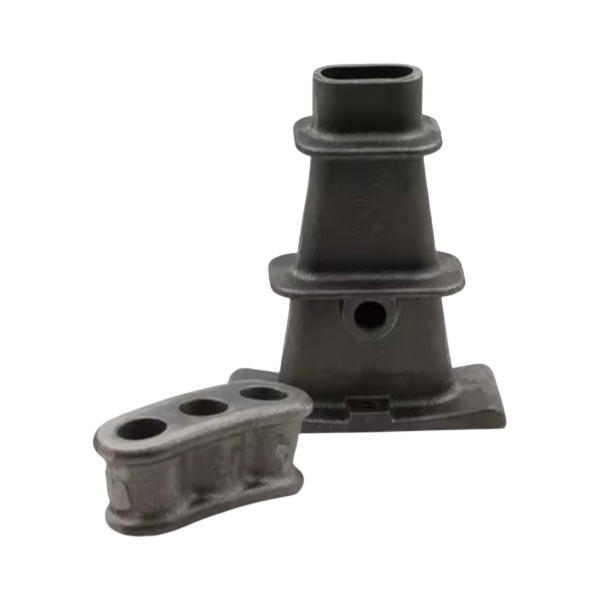
The primary difference is the state of the tendon after stressing. In an unbonded system, each tendon is coated in grease and encased in a plastic sheathing, allowing it to move freely within the concrete duct. The anchor bears the full force. Conversely, in a bonded system, after stressing, the duct is fully grouted, creating a permanent bond between the tendon, grout, and concrete. The Bonded Post-Tensioning System Anchor initiates the force, which is then transferred along the entire tendon length.
| Feature | Bonded Post-Tensioning | Unbonded Post-Tensioning |
|---|---|---|
| Tendon Protection | Grout-filled duct | Grease and plastic sheathing |
| Load Transfer | Continuous bond along tendon length | Primarily at anchor points |
| Corrosion Protection | Excellent (with quality grout) | Good (dependent on sheath integrity) |
| Common Applications | Bridges, dams, large beams | Residential slabs, parking decks, slabs-on-ground |
Key Advantages of Each System:
-
Bonded System Advantages:
-
Superior corrosion protection from alkaline grout.
-
Higher ultimate capacity and fatigue resistance.
-
Localized damage has less impact on overall system integrity.
-
-
Unbonded System Advantages:
-
Faster and simpler installation.
-
Easier future stressing or replacement of individual tendons.
-
Generally lower initial cost for certain applications.
-
Bonded Post-Tensioning System Anchor FAQ
What is the primary function of a Bonded Post-Tensioning System Anchor?
The primary function is to securely lock the prestressing tendons in place and transfer the immense tensile force from the tendons into the concrete structure at the designated anchor points, serving as the critical launch pad for the stressing operation.
How does grouting affect the performance of the anchor?
Grouting is the process that creates the "bonded" system. After the anchor secures and stresses the tendon, the grout fills the duct, providing comprehensive corrosion protection for the steel and enabling the vital composite action between the tendon, grout, and concrete for full load transfer.
Can a Bonded Post-Tensioning System Anchor be re-stressed after grouting?
No, once the grout has cured and created the permanent bond, the tendon is locked in place. All stressing must be meticulously completed and verified before the grouting operation commences, highlighting the need for precision equipment.
Understanding these differences is crucial for specifying the correct system for your project's demands. For engineers and contractors, partnering with a reliable supplier for tools and components is key. Supreme Machinery stands ready to support your projects with high-quality equipment and technical knowledge for both bonded and unbonded post-tensioning applications.
Contact us today to discuss your specific project requirements and discover how Supreme Machinery can be your trusted partner in achieving superior structural results.