What is the difference between a normally open and normally closed Float Switch
2026-04-27
When selecting a Float Switch for liquid level control, one of the most common points of confusion is the difference between normally open (NO) and normally closed (NC) configurations. Understanding this distinction is critical for proper pump operation, tank automation, and system safety. At ZEN, we specialize in manufacturing high-precision Float Switch solutions for industrial, agricultural, and residential applications. This guide explains the core differences, practical uses, and answers the most frequently asked questions about Float Switch wiring and functionality.
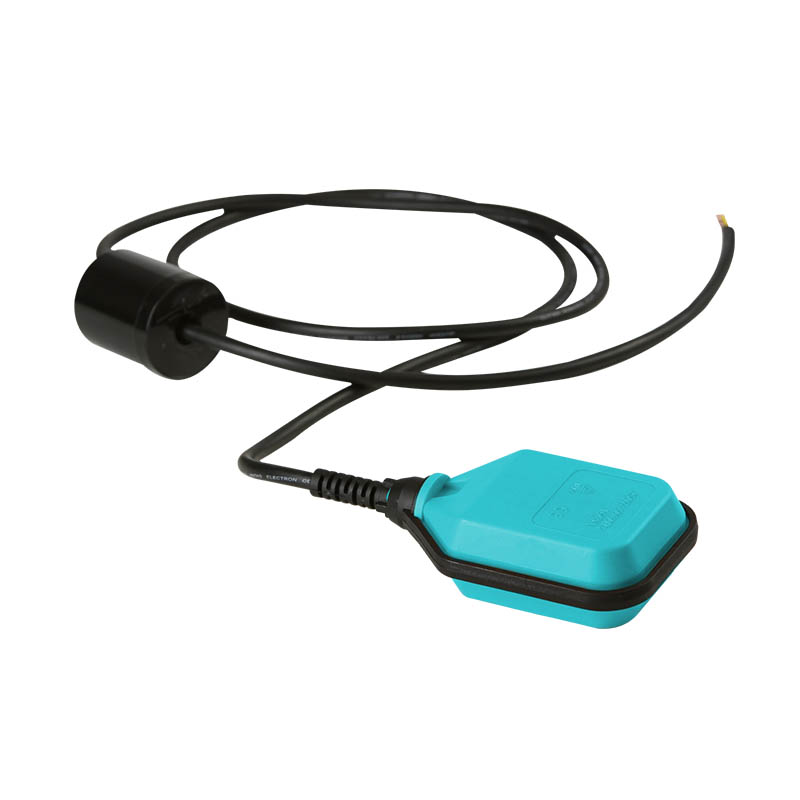
Normally Open vs Normally Closed Float Switch
| Feature | Normally Open (NO) Float Switch | Normally Closed (NC) Float Switch |
|---|---|---|
| Default state (dry/empty tank) | Circuit open (no current flows) | Circuit closed (current flows) |
| Pump activation | Activates pump when liquid rises | Deactivates pump when liquid rises |
| Typical application | Emptying a tank (pump up) | Filling a tank (pump down) |
| Failsafe behavior | Pump stays off if switch fails | Pump stays on if switch fails |
| Common wiring color | Black wire | White or red wire |
How to choose the correct mode for your system
For a tank that needs to be emptied (sump pit, bilge, sewage basin), use a Normally Open Float Switch. The switch remains open until liquid rises, then closes to start the pump. For a tank that needs to be filled (water tower, holding tank, cooling tower), use a Normally Closed Float Switch. The switch stays closed until the high liquid level is reached, then opens to stop the inflow. ZEN offers both NO and NC models in compact, corrosion-resistant designs.
Float Switch FAQ – Common Questions Answered
What happens if I wire a normally open float switch to a fill application instead of a drain application?
If you wire a normally open Float Switch to a fill application, the pump will never activate when the tank is empty. The switch will only close when the tank is already full, causing the pump to run continuously or overflow the tank. This wiring mismatch can damage pumps and flood systems. Always match NO to drain (pump-up) and NC to fill (pump-down). ZEN provides clear wiring diagrams with every Float Switch to prevent such errors.
How can I test whether my existing float switch is NO or NC without a datasheet
Use a multimeter in continuity mode with the Float Switch suspended in air (dry condition). Place the multimeter probes on the two wires. If the meter shows continuity (beep or near zero resistance), the switch is NC (normally closed). If it shows no continuity (OL or infinite resistance), the switch is NO (normally open). Lower the switch into water and test again. The state should reverse. This simple test works on all ZEN Float Switch models.
Can one float switch be used for both high and low level control in the same tank
Yes, using a latching relay or a dual-level controller. A single Float Switch typically provides one switching point. However, ZEN offers multi-point Float Switch systems with two or three built-in switching levels. These allow you to control both a high-level alarm and a low-level pump start with one unit. For standard two-wire float switches, a separate control panel with relay logic is required to convert NO/NC behavior into dual-level hysteresis.
Summary Table by Application
| Application | Recommended Float Switch | Failsafe Direction |
|---|---|---|
| Sump pump drainage | Normally Open | Off on failure |
| Boiler fill control | Normally Closed | On (filling) on failure |
| Sewage lift station | Normally Open | Off on failure |
| Irrigation tank fill | Normally Closed | On on failure |
| ZEN industrial series | Field-configurable NO/NC | User selectable |
Selecting the right Float Switch directly impacts system reliability and safety. ZEN engineers recommend always verifying failsafe logic before installation. For expert assistance with your liquid level control project, contact ZEN today.
Contact us – Visit our official website or email support to discuss your Float Switch requirements. Our team provides fast technical guidance, custom cable lengths, and bulk pricing for OEM partners.