What Is a Tension Wheel and Why Is It Crucial for Vehicle Performance?
2026-01-19
Summary: Tension wheels play a critical role in maintaining the stability and efficiency of vehicle belt systems. This article explores their function, types, maintenance tips, and common issues, providing practical guidance for fleet operators, mechanics, and vehicle enthusiasts.
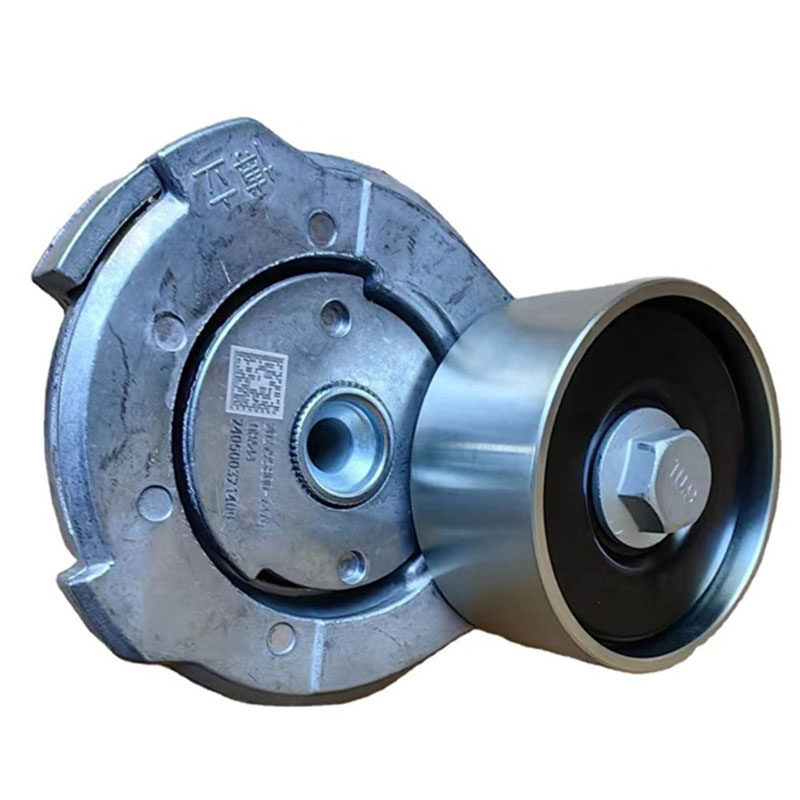
Table of Contents
- Overview of Tension Wheels
- Types of Tension Wheels
- Importance in Vehicle Systems
- Maintenance and Troubleshooting
- Key Product Parameters
- Frequently Asked Questions
- Contact Us
Overview of Tension Wheels
A tension wheel, also known as a belt tensioner pulley, is a mechanical component designed to maintain proper tension in a vehicle’s belt system. It ensures that belts driving alternators, water pumps, and other engine accessories operate efficiently without slipping or producing excessive wear. Without a properly functioning tension wheel, belt-driven systems can fail, leading to engine overheating, loss of power steering, or battery charging issues.
Types of Tension Wheels
Tension wheels vary based on design, application, and vehicle type. The main categories include:
- Automatic Tension Wheels: Adjust tension automatically, ideal for modern vehicles with variable loads.
- Manual Tension Wheels: Require manual adjustment, common in older or heavy-duty trucks.
- Idler Pulley Type: Functions as a support to redirect the belt and maintain tension without automatic adjustment.
Importance in Vehicle Systems
Tension wheels provide several critical benefits:
- Maintain optimal belt tension to prevent slippage.
- Reduce noise from loose or misaligned belts.
- Prolong the lifespan of belts and engine accessories.
- Support engine efficiency and fuel economy.
Maintenance and Troubleshooting
Regular inspection and maintenance of tension wheels can prevent costly breakdowns. Key practices include:
- Check for signs of wear or cracks on the pulley surface.
- Ensure the tensioner spring or mechanism maintains proper pressure.
- Replace the tension wheel immediately if belts show abnormal wear patterns.
- Listen for squeaking or grinding noises, which indicate misalignment or bearing issues.
Advanced maintenance may involve cleaning the pulley and lubricating the bearing if the design allows, although many modern tension wheels are sealed units and require replacement rather than repair.
Key Product Parameters
| Parameter | Description |
|---|---|
| Material | High-strength steel or aluminum with corrosion-resistant coating |
| Bearing Type | Sealed ball bearing for smooth rotation and long life |
| Diameter | Varies by vehicle model; typically 50–120 mm |
| Load Capacity | Supports belt tension up to 2000 N depending on design |
| Lifespan | 50,000–100,000 km under normal operating conditions |
| Compatibility | Fits a wide range of truck and heavy-duty vehicle models |
Frequently Asked Questions
Q1: How do I know if a tension wheel is failing?
A1: Signs include squealing belts, irregular engine performance, or visible wear on the pulley. Checking belt tension regularly can identify issues early.
Q2: Can I replace a tension wheel myself?
A2: For many vehicles, replacement is straightforward with proper tools. However, professional installation is recommended for complex engine layouts to ensure correct tension.
Q3: How often should a tension wheel be replaced?
A3: Replacement intervals vary by manufacturer, but generally every 50,000–100,000 km or if there is visible wear, noise, or belt slippage.
Q4: Are all tension wheels universal?
A4: No, tension wheels are model-specific due to differences in pulley diameter, load capacity, and mounting style. Always verify compatibility before purchase.
Contact Us
Skyond provides high-quality tension wheels designed for reliability and long-term performance. For inquiries or to request a quote, contact us today and ensure your vehicle’s belt system operates at its best.