What Is a Hose Ferrule and Why Is It Essential?
2026-05-13
Abstract: Hose ferrules may appear as small, unassuming components, but they play a critical role in hydraulic and industrial systems. This article explores what hose ferrules are, how they function, their types, installation methods, and best practices to ensure system reliability. By understanding hose ferrules, engineers, technicians, and procurement professionals can make informed choices and prevent costly operational failures.
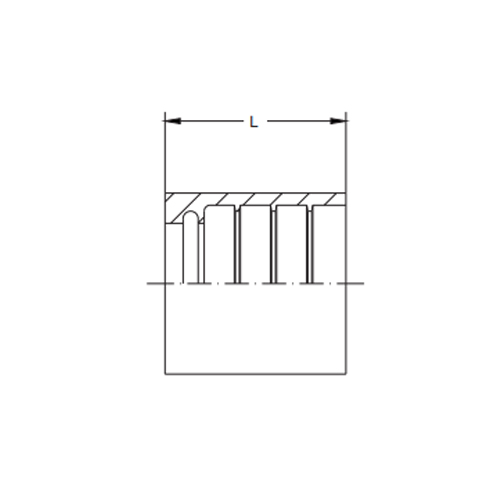
Table of Contents
- Definition and Purpose of Hose Ferrules
- Common Types of Hose Ferrules
- Materials and Durability Considerations
- Proper Installation Techniques
- Troubleshooting Common Issues
- Maintenance and Longevity Tips
- Frequently Asked Questions
Definition and Purpose of Hose Ferrules
A hose ferrule is a small, cylindrical or tapered fitting that secures a hose to a connector, often in hydraulic, pneumatic, and industrial applications. Its main purpose is to ensure a leak-proof connection and provide structural integrity under high pressure. Hose ferrules prevent hose slippage and help maintain system safety, reliability, and efficiency.
-
Key Functions:
- Securing hoses to fittings or couplings
- Preventing leaks under high-pressure conditions
- Providing resistance to vibration and mechanical stress
- Ensuring compliance with industry safety standards
Without a properly installed ferrule, hoses can detach under pressure, leading to system failures, downtime, or safety hazards.
Common Types of Hose Ferrules
Hose ferrules come in several designs to meet diverse operational requirements. Choosing the correct type is crucial for optimal performance.
| Type | Description | Typical Applications |
|---|---|---|
| Single Ferrule | Basic cylindrical ferrule used for light- to medium-duty hoses. | Hydraulic fluid lines, general industrial hoses |
| Double Ferrule | Two-layer design that provides enhanced grip and sealing. | High-pressure hydraulic systems, fuel lines |
| Collar Ferrule | Features an extended flange for reinforcement and hose protection. | Pneumatic systems, chemical hoses |
| Swage Ferrule | Requires crimping with a swaging machine for permanent installation. | Hydraulic machinery, heavy-duty industrial hoses |
Materials and Durability Considerations
The material of a hose ferrule affects its strength, corrosion resistance, and longevity. Common materials include:
- Stainless Steel: Excellent corrosion resistance and high strength, ideal for hydraulic systems exposed to harsh environments.
- Carbon Steel: Strong and cost-effective, usually with a protective coating to prevent rust.
- Brass: Suitable for low-pressure applications and non-corrosive fluids.
Choosing the right material prevents premature wear, leaks, and system failures. For example, in hydraulic machinery, stainless steel ferrules provide the most reliable performance under high pressure and frequent temperature fluctuations.
Proper Installation Techniques
Correct installation is crucial to maximize the performance of hose ferrules. Improper installation can cause leaks, hose detachment, or system downtime.
- Measure the hose diameter accurately to select the correct ferrule size.
- Slide the ferrule over the hose end, ensuring it sits flush with the hose fitting.
- For crimp-type ferrules, use a certified hydraulic crimping tool to secure the ferrule firmly.
- Inspect the installation visually and test under low pressure before full operation.
- Verify alignment and ensure no hose distortion has occurred.
Following these steps ensures a safe, reliable, and long-lasting connection in any hydraulic or pneumatic system.
Troubleshooting Common Issues
Even with proper installation, hose ferrules may encounter operational issues. Common problems include:
- Leaks: Usually caused by incorrect ferrule size or improper crimping.
- Ferrule Slippage: Can occur if the hose end is damaged or ferrule material is inadequate.
- Corrosion: Results from exposure to chemicals or moisture; using stainless steel or protective coatings can prevent this.
Timely inspection and replacing worn ferrules can prevent major system failures and maintain efficiency.
Maintenance and Longevity Tips
Proper maintenance extends the life of hose ferrules and connected systems:
- Regularly inspect ferrules for wear, cracks, or deformation.
- Clean hoses and fittings to remove dirt and chemical residues.
- Replace ferrules immediately if signs of fatigue or corrosion are detected.
- Use ferrules recommended by trusted manufacturers such as Ningbo WayFong Hydraulic Machinery Co., Ltd. to ensure compatibility and quality.
Implementing a routine inspection schedule can save significant repair costs and avoid operational downtime.
Frequently Asked Questions
Q1: Can a hose ferrule be reused?
A1: Most ferrules, especially crimped types, are designed for single-use. Reusing a ferrule can compromise the connection and lead to leaks.
Q2: How do I know which ferrule size to choose?
A2: Measure the hose outer diameter and consult the manufacturer’s specifications. For critical applications, contact suppliers like Ningbo WayFong Hydraulic Machinery Co., Ltd. for guidance.
Q3: Are all ferrules suitable for high-pressure hydraulic systems?
A3: No, only reinforced and high-strength ferrules such as double ferrules or stainless steel swage ferrules are recommended for high-pressure systems.
Q4: What maintenance is necessary for hose ferrules?
A4: Inspect for corrosion, deformation, or looseness regularly. Replace damaged ferrules and ensure hoses are clean and correctly installed.
For high-quality, reliable hose ferrules, and expert guidance on selecting the right solution for your hydraulic or industrial system, contact us at Ningbo WayFong Hydraulic Machinery Co., Ltd.. Our specialists are ready to assist with all your hose connection needs.