What Industries Benefit Most from an Automatic Additive Batching Scale
2026-03-05
Manufacturing precision has become non-negotiable in modern production environments. Companies seeking consistency and waste reduction increasingly turn to an Automatic Additive Batching Scale to streamline their dosing processes. FANCHANG has observed that while this technology applies broadly, certain sectors experience transformational results when implementing automated weighing solutions.
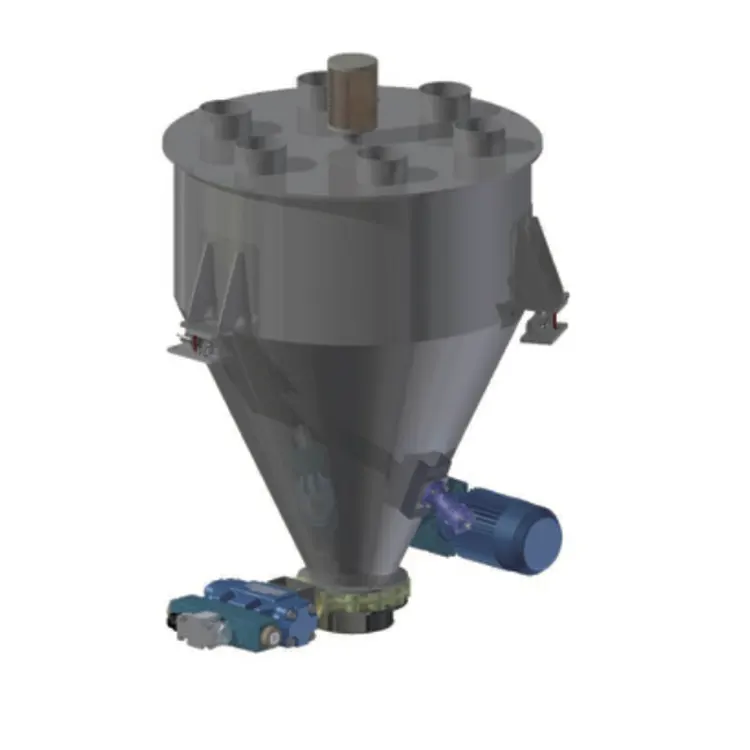
Primary Industries Using Automatic Batching Technology
The versatility of an Automatic Additive Batching Scale makes it valuable across multiple sectors. Below is a breakdown of industries that realize the greatest operational improvements.
| Industry | Primary Application | Key Benefit |
|---|---|---|
| Food Processing | Flavor dosing, preservative addition, vitamin enrichment | Consistent taste profiles and regulatory compliance |
| Plastics and Rubber | Colorant injection, UV stabilizer mixing, blowing agents | Uniform product appearance and material properties |
| Chemical Manufacturing | Catalyst addition, inhibitor dosing, polymer blending | Precise reaction control and batch repeatability |
| Animal Feed Production | Vitamin premix, medication incorporation, mineral addition | Nutritional accuracy and livestock health |
| Pharmaceuticals | Active ingredient dosing, excipient blending | Strict quality standards and traceability |
| Construction Materials | Concrete admixtures, pigment dosing, fiber addition | Structural integrity and aesthetic consistency |
Why These Industries Rely on Automation
Industries handling expensive additives or requiring exact formulations benefit most from an Automatic Additive Batching Scale. Manual weighing introduces variability that leads to product rejection or material waste.
Food Processing Requirements
Food manufacturers using an Automatic Additive Batching Scale from FANCHANG achieve precise inclusion rates for expensive ingredients like vanillin or enzyme cultures. This precision prevents flavor inconsistencies between production runs.
Chemical Industry Demands
Chemical processors face safety risks when additives are measured incorrectly. Automated systems remove operator exposure while ensuring reaction chemistry remains within specified parameters.
Implementation Considerations
Selecting the correct Automatic Additive Batching Scale requires analyzing your specific material characteristics. Powder flowability, liquid viscosity, and required batch sizes all influence equipment selection.
FANCHANG recommends evaluating total cost of ownership rather than initial purchase price when considering automation investments.
Frequently Asked Questions
What accuracy levels can I expect from an Automatic Additive Batching Scale?
Modern Automatic Additive Batching Scale systems achieve accuracy within 0.1% to 0.5% of target weight, depending on material characteristics and environmental conditions. Load cell technology combined with advanced software compensation allows FANCHANG equipment to maintain this precision even with challenging materials like hygroscopic powders or viscous liquids. Regular calibration ensures this accuracy persists throughout the equipment lifecycle.
How does an Automatic Additive Batching Scale integrate with existing production equipment?
Automatic Additive Batching Scale systems connect to PLC networks through standard communication protocols including Profibus, Modbus, and Ethernet IP. FANCHANG designs equipment with open architecture allowing seamless integration with upstream mixing vessels and downstream packaging lines. The control software can receive recipe instructions from central manufacturing execution systems while returning actual weight data for complete batch traceability.
What maintenance does an Automatic Additive Batching Scale require?
Routine maintenance for an Automatic Additive Batching Scale includes weekly visual inspections of material pathways, monthly load cell verification using test weights, and quarterly software backups. FANCHANG equipment features quick-release mechanisms for cleaning components that contact additives, reducing downtime during product changeovers. Preventative maintenance programs typically require eight to sixteen hours annually depending on production intensity and material abrasiveness.
Selecting Your Automation Partner
The decision to implement an Automatic Additive Batching Scale represents a commitment to quality improvement and operational excellence. FANCHANG brings decades of application experience across the industries discussed above.
Contact FANCHANG today to discuss your specific additive batching requirements. Our engineers will analyze your current process and recommend an Automatic Additive Batching Scale configuration that maximizes your return on investment while improving product consistency.