What Factors Should You Should Consider When Designing Precision Stamping Parts
2026-02-28
Designing Precision Stamping Parts requires a meticulous approach that balances functionality, manufacturability, and cost-effectiveness. At Zhihexing, we understand that the success of your stamped components begins long before the press hits the material. Engineers must evaluate several critical variables to ensure the final product meets stringent specifications without unnecessary delays or expenses.
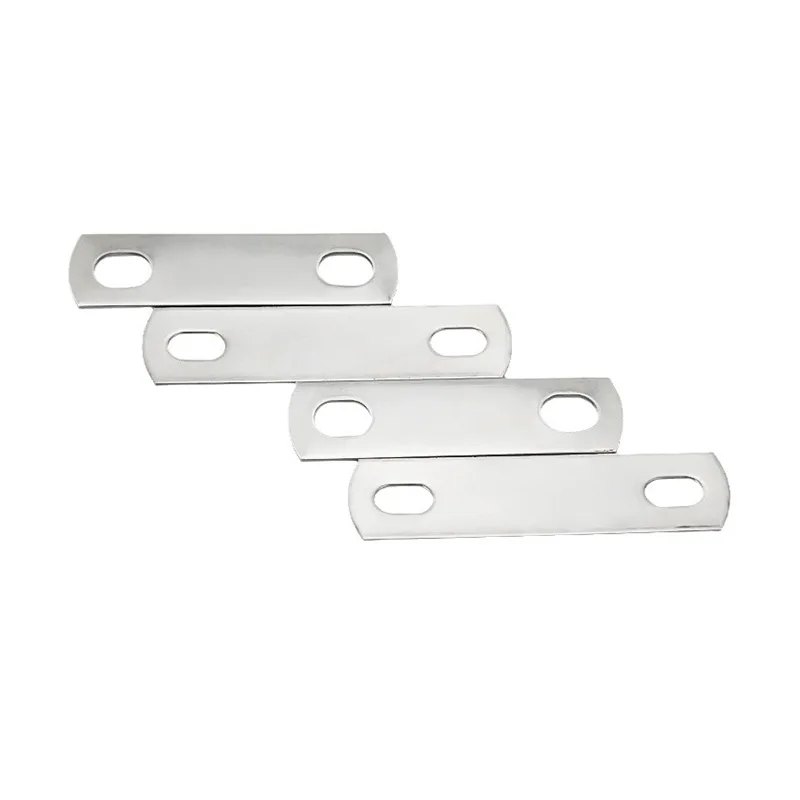
Key Design Considerations
To achieve optimal results with Precision Stamping Parts, the following factors must be evaluated during the initial design phase:
| Consideration | Why It Matters |
|---|---|
| Material Selection | Determines strength, conductivity, corrosion resistance, and formability |
| Tolerance Requirements | Tighter tolerances increase tooling costs and cycle time |
| Part Geometry | Complex shapes may require progressive dies or additional operations |
| Burr Direction | Affects fit and function in assembled products |
| Volume Requirements | High volumes justify more robust, automated tooling |
Material Properties
The choice of material directly impacts the performance of your Precision Stamping Parts. Common options include stainless steel for corrosion resistance, copper alloys for electrical conductivity, and cold-rolled steel for general structural applications. Zhihexing recommends consulting with your supplier early to confirm material availability and pricing.
Tooling Design
Tooling is the heart of stamping. Factors such as die clearance, punch life, and stripper pressure must be optimized to prevent excessive wear and maintain consistency across thousands or millions of parts.
Common Challenges in Design
Designers often overlook secondary operations like deburring, plating, or heat treatment. These processes add cost and lead time, so they should be considered upfront. Additionally, draft angles and bend radii must accommodate the material's tensile strength to avoid cracking.
Frequently Asked Questions
What is the most common mistake when designing Precision Stamping Parts?
The most frequent error is specifying tolerances that are tighter than necessary. While it is tempting to design every dimension to the smallest possible variance, this drives up tooling costs and inspection time. A better approach is to identify critical-to-function dimensions and allow standard tolerances elsewhere. Zhihexing often helps clients review their drawings to identify areas where tolerances can be relaxed without affecting performance.
How does part volume affect the design of Precision Stamping Parts?
Volume is a primary driver of manufacturing strategy. For low-volume runs (under 10,000 parts), simple hard tooling or even laser cutting may be more economical. For high-volume production (millions of parts), progressive dies with automated feeding systems become cost-effective. The design must accommodate the chosen method; for example, progressive dies require a carrier strip to move the part between stations, which adds material but reduces labor.
Can Precision Stamping Parts be made from very thin materials?
Yes, but thin materials present unique challenges. Materials under 0.1mm thick are prone to wrinkling, tearing, and inconsistent feeding. The punch-to-die clearance becomes critical, and the press speed may need to be reduced. Zhihexing has experience running materials as thin as 0.05mm for specialized electronic components, but we always advise customers that handling and packaging become more difficult with ultra-thin stock.
Partner with Zhihexing
Designing Precision Stamping Parts does not have to be a solo endeavor. Whether you are developing a new product or optimizing an existing one, the engineering team at Zhihexing is ready to provide design for manufacturability feedback. We invite you to contact us for a consultation or to request a quote for your next stamping project.