

What Factors Influence the Pressure Rating of Stainless Steel Thin Wall Pipe in High Rise Buildings
2026-06-01
In modern high rise construction, selecting the right piping material is critical. The Stainless Steel Thin Wall Pipe has emerged as a preferred solution for plumbing, fire protection, and HVAC systems. At Guangfeng, we specialize in manufacturing high-performance Stainless Steel Thin Wall Pipe that meets the rigorous demands of vertical infrastructure. Understanding what determines its pressure rating is essential for engineers and contractors.
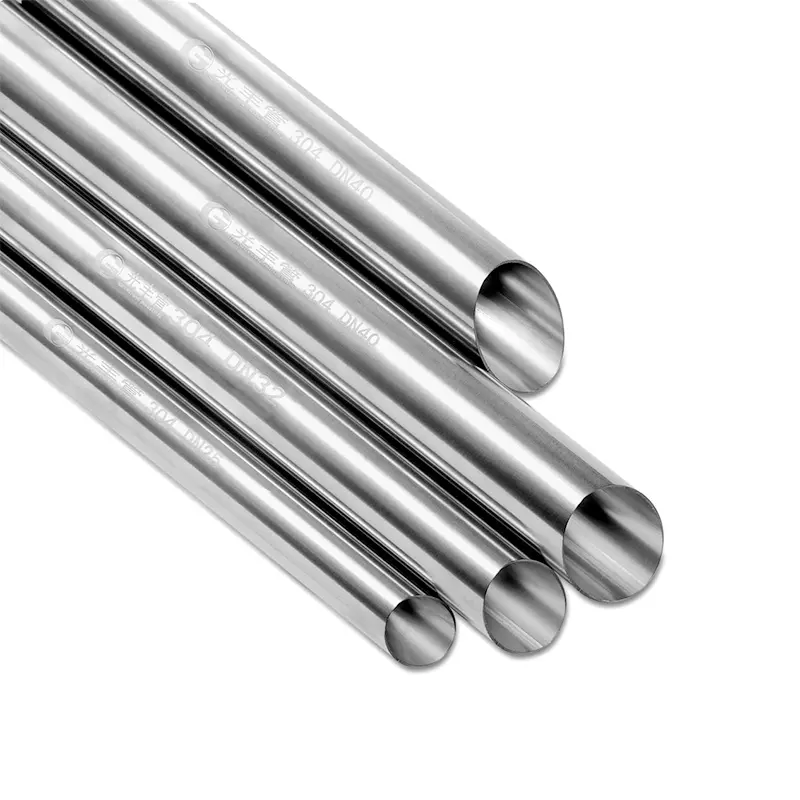
Key Factors Affecting Pressure Rating
| Factor | Influence on Pressure Rating | Application Consideration |
|---|---|---|
| Wall Thickness | Directly proportional to pressure capacity | Thinner walls reduce weight but lower pressure tolerance |
| Pipe Diameter | Larger diameters have lower pressure ratings at same wall thickness | Balance flow rate and structural integrity |
| Material Grade | 304 vs 316L stainless steel offer different strength | 316L provides higher corrosion resistance and similar tensile strength |
| Temperature | Higher temperatures reduce allowable pressure | Derating factors apply above ambient conditions |
| Joint Type | Press fittings, welding, or grooving affect system integrity | Press fittings maintain full pressure rating when properly installed |
Mechanical Properties and Standards
The pressure rating of any Stainless Steel Thin Wall Pipe is rooted in its yield strength and the formula: P=2⋅S⋅tD, where P is pressure, S is allowable stress, t is wall thickness, and D is outer diameter. For high rise buildings, dynamic loads from water hammer and thermal expansion impose additional stress. Guangfeng produces pipes that comply with ASTM A312 and EN 10312 standards, ensuring predictable performance under variable conditions.
Installation and System Design
Improper support spacing and unaccounted vertical rise pressures (static head) directly reduce effective pressure ratings. In a 200‑meter building, static pressure at the base exceeds 290 psi. Without correct wall thickness selection, failure becomes inevitable. The Stainless Steel Thin Wall Pipe must be specified with safety factors of at least 2:1 for occupied high rises.
Stainless Steel Thin Wall Pipe FAQ Common Questions
Q1: Can Stainless Steel Thin Wall Pipe withstand the pressure fluctuations caused by multiple pump start‑stop cycles in a high rise building?
A1: Yes, when manufactured to appropriate standards. The fatigue resistance of Stainless Steel Thin Wall Pipe from Guangfeng exceeds that of copper or PEX under cyclic pressure swings. Laboratory tests show over 100,000 cycles at 150% rated pressure without leakage. However, engineers must select wall thickness based on the expected pressure range (typically 80–250 psi for domestic water in tall buildings) and ensure that press fittings or welds are free from stress risers. We recommend a minimum Schedule 10S for buildings above 150 meters.
Q2: How does the pressure rating change when Stainless Steel Thin Wall Pipe is used for risers exposed to both high temperature and high pressure simultaneously?
A2: Temperature derating is critical. For Stainless Steel Thin Wall Pipe, allowable working pressure decreases by approximately 15% at 200°F (93°C) compared to room temperature. If a high rise combines fire sprinkler risers (ambient) and hot water returns (140–180°F) in the same shaft, separate pressure calculations are mandatory. Guangfeng provides temperature‑pressure correction tables for every batch. For example, a pipe rated at 300 psi at 73°F drops to 255 psi at 180°F. Always apply derating before adding static head pressure.
Q3: Does the joining method affect the long‑term pressure rating of Stainless Steel Thin Wall Pipe in seismic zones of high rise buildings?
A3: Absolutely. Press fittings maintain nearly 100% of the pipe’s pressure rating if the O‑ring remains intact and the fitting is fully crimped. However, in seismic high rises, welded joints provide superior resistance to lateral movement without pressure loss. Guangfeng recommends press connections for non‑critical risers and orbital welding for main risers above 100 meters in Seismic Design Category D or higher. Grooved couplings reduce pressure rating by 10‑20% depending on gasket material and should be limited to fire protection loops only.
Conclusion and Contact Us
Selecting the correct Stainless Steel Thin Wall Pipe for high rise buildings demands attention to wall thickness, temperature, diameter, and joint integrity. Guangfeng delivers certified products with full traceability and engineering support. For project specifications, pressure calculations, or sample testing, contact us today via our website or email to discuss your high rise piping needs.
