What Factors Affect the Welding Quality of a Table Butt Fusion Machine in Field Applications
2026-05-14
Achieving reliable pipe joints in real-world environments depends heavily on understanding the variables that influence Table Butt Fusion Machine performance. For professionals using Fangli equipment, consistent weld quality is not optional—it is the foundation of leak-free, long-lasting piping systems. Below is a detailed analysis of the critical factors encountered during field applications.
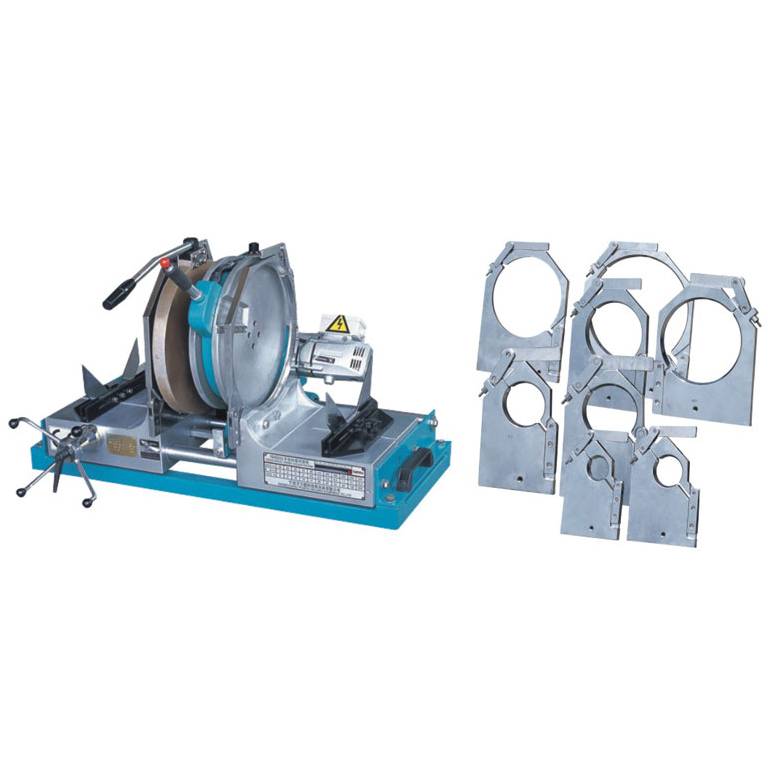
Key Factors Influencing Welding Quality
| Factor | Impact on Welding Quality | Field Consideration |
|---|---|---|
| Ambient Temperature | Low temperatures accelerate cooling, causing brittle joints; high temperatures slow heating, leading to overheating. | Use draft shields or heating blankets. Adjust soak time based on actual site conditions. |
| Surface Contamination | Dust, moisture, or grease prevents molecular bonding, resulting in weak fusion. | Always clean pipe ends with isopropyl alcohol and lint-free wipes immediately before clamping. |
| Heating Plate Condition | Worn or uneven heating plates cause temperature gradients and incomplete melting. | Inspect the PTFE coating before each job. Replace plates showing scratches or residues. |
| Clamping Alignment | Misaligned pipes create uneven bead formation and joint step-offs. | Use laser or straightedge tools to verify parallel alignment. Fangli machines feature guided clamping systems to minimize this risk. |
| Fusion Pressure Accuracy | Too little pressure leaves voids; too much pressure expels melted material, creating weak seams. | Calibrate hydraulic gauges monthly. Follow pipe manufacturer’s pressure charts for each diameter. |
Practical Field Challenges
Portable power supplies, wind, and even operator fatigue contribute to variance. A Table Butt Fusion Machine like those from Fangli integrates real-time pressure monitoring and temperature feedback, but human oversight remains essential. For example, dragging the heating plate across prepared surfaces re-introduces contamination—a common mistake. Always lift and swing the plate away, never slide it.
Table Butt Fusion Machine FAQ
What is the ideal cooling time for a welded joint in cold weather below 5°C?
Allow at least 1.5 times the standard cooling period specified for room temperature. For a 110mm SDR11 pipe, increase from 8 minutes to 12 minutes. Premature handling under cold conditions creates microfractures. Use a temperature gun to confirm the joint surface is below 40°C before moving.
How often should I replace the hydraulic oil in my Table Butt Fusion Machine?
Change the hydraulic oil every 500 operating hours or every 6 months in dusty field conditions. Contaminated oil causes erratic pressure delivery, leading to inconsistent bead formation. Always use ISO VG 32 or as specified by Fangli. After refilling, purge air from the cylinders by running full strokes without load three times.
Can I use the same heating plate for different pipe wall thicknesses?
No. Each heating plate is matched to a specific wall thickness range. Using a plate designed for thin wall (SDR 21) on thick wall (SDR 7) creates uneven melt profiles. Fangli provides color-coded plates with engraved SDR limits. Always verify compatibility against the project’s pipe schedule before starting any fusion cycle.
Best Practices for Field Reliability
-
Perform a daily “dry cycle” (no pipe) to verify heating plate temperature uniformity.
-
Log all fusion parameters (pressure, temperature, soak time) for each joint.
-
Train two-person teams: one operates the Table Butt Fusion Machine, the other inspects bead shape and size.
Contact Us
For detailed technical guides or to request a site demonstration of Fangli fusion equipment, please contact us through the official website or local distributor. Our engineering team provides free weld parameter reviews and on-site training plans tailored to your pipeline specifications.