What Factors Affect the Lifespan of a Precision Stamping Die Cutting Insert
2026-09-22
A Precision Stamping Die Cutting Insert is one of the most critical consumables in high-volume metal stamping operations, and its service life directly determines tooling cost, downtime, and part quality. At Xincheng, we have supported countless stamping manufacturers in extending insert life through proper material selection, precision manufacturing, and disciplined maintenance practices. Understanding what drives insert wear is the first step toward reducing cost per part and improving overall stamping efficiency.
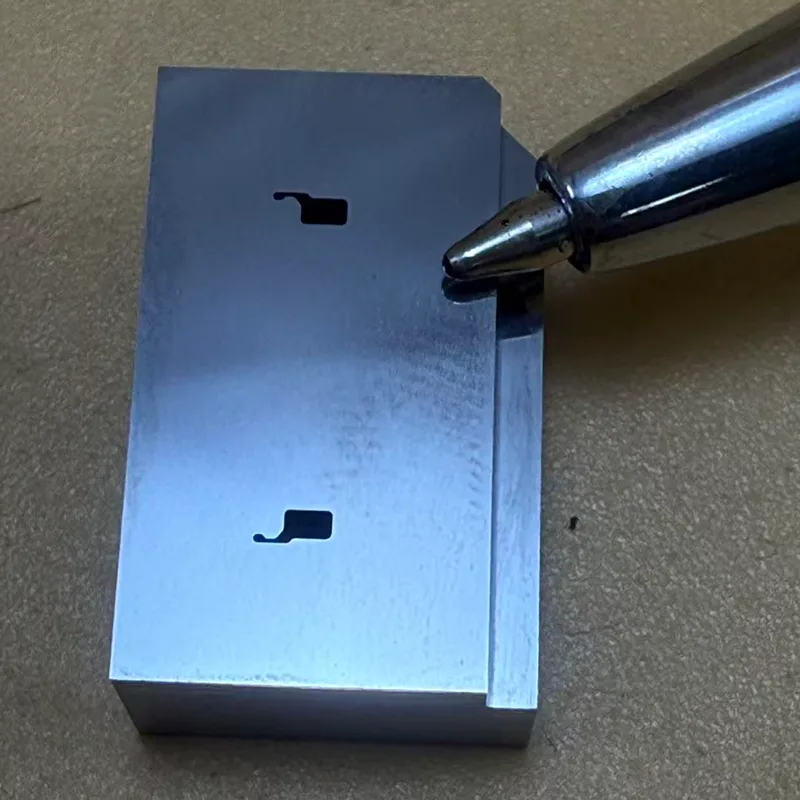
Key Factors That Determine Insert Lifespan
1. Insert Material and Heat Treatment
The base material and its heat treatment determine hardness, toughness, and wear resistance. Poorly matched materials lead to premature chipping or rapid abrasive wear.
| Material | Typical Hardness | Wear Resistance | Toughness | Best For |
|---|---|---|---|---|
| D2 Tool Steel | 58–62 HRC | High | Medium | General stamping |
| M2 High-Speed Steel | 60–64 HRC | Very High | Medium | High-volume runs |
| Carbide (YG15) | 88–90 HRA | Excellent | Low | Thin sheet, high precision |
| Powder Metallurgy Steel | 60–64 HRC | Excellent | High | Hardened materials |
2. Stamping Force and Clearance
Excessive stamping force accelerates fatigue and edge breakdown. Incorrect die clearance causes abnormal rubbing, burr formation, and rapid wear on the Precision Stamping Die Cutting Insert.
3. Workpiece Material
Material hardness, thickness, and surface condition all influence wear. Stainless steel and high-strength steel are far more aggressive on inserts than mild steel or aluminum.
4. Lubrication and Cooling
Proper lubrication reduces friction and heat buildup. Insufficient or incorrect lubricant is one of the most common causes of premature insert failure.
5. Maintenance and Sharpening
Regular inspection, timely sharpening, and correct regrinding angles preserve cutting edges. Each improper regrind shortens total insert life significantly.
Best Practices to Extend Insert Life
-
Select the correct material grade based on workpiece and volume
-
Maintain optimal die clearance
-
Use consistent, clean lubrication
-
Schedule preventive sharpening before edge damage occurs
-
Store inserts in protected conditions to avoid corrosion
Xincheng applies strict tolerances and premium heat treatment to every Precision Stamping Die Cutting Insert, helping customers achieve longer, more predictable tool life.
Frequently Asked Questions
Q: How long should a Precision Stamping Die Cutting Insert last?
A: Lifespan varies by material and application, but a well-maintained insert typically delivers tens of thousands to hundreds of thousands of strokes. Carbide inserts in thin-sheet applications can exceed 500,000 strokes, while high-strength steel may reduce life to 20,000–50,000 strokes.
Q: What is the most common cause of premature insert failure?
A: Incorrect die clearance and inadequate lubrication are the leading causes. Both create excess friction and heat, leading to edge chipping, galling, and rapid wear.
Q: Can I extend insert life by changing the regrinding process?
A: Yes. Using the correct wheel, cooling method, and regrinding angle removes minimal material while restoring a sharp edge. Improper regrinding removes too much material and shortens total service life.
Conclusion
Insert lifespan is not determined by one factor alone but by the interaction of material, clearance, lubrication, workpiece, and maintenance. Partnering with an experienced manufacturer like Xincheng ensures every Precision Stamping Die Cutting Insert is built for consistent, long-lasting performance.
Contact us today to discuss your stamping application and discover how Xincheng can help you reduce tooling cost and improve production efficiency.