What Common Mistakes Should You Avoid When Operating a PCD Guide Bar Reamer
2026-01-27
Proper maintenance of your chainsaw's guide bar is crucial for performance and safety, and using a PCD Guide Bar Reamer is the professional's choice for this task. However, even with a premium tool from a trusted brand like Wangdefu, incorrect operation can lead to subpar results or tool damage. By understanding and avoiding these common pitfalls, you can ensure optimal results and extend the life of both your reamer and guide bar.
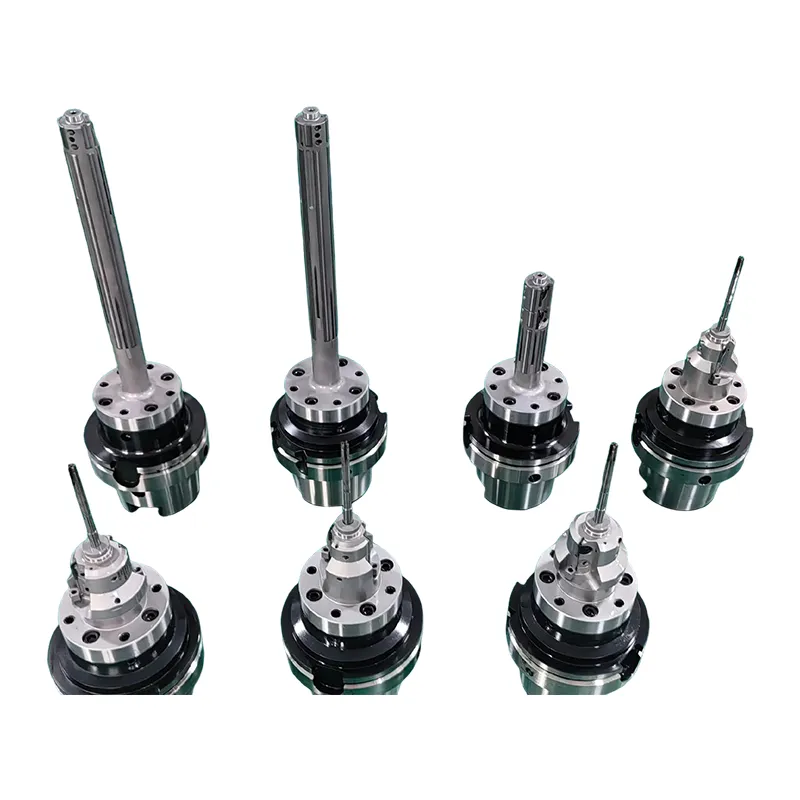
Top 5 Mistakes to Avoid with Your PCD Guide Bar Reamer
-
Using Incorrect or Excessive Force: A Wangdefu PCD Guide Bar Reamer is designed for precision, not brute strength. Forcing the tool can cause chatter, uneven cuts, and potentially damage the delicate PCD (Polycrystalline Diamond) tip. Let the sharp, durable carbide cutters do the work with steady, moderate pressure.
-
Neglecting Pre-Cleaning: Inserting the reamer into a dirty bar nose is a critical error. Grit and metal debris act as abrasives, accelerating wear on the PCD tip. Always thoroughly clean the guide bar groove and oil holes before reaming.
-
Choosing the Wrong Size: Using a reamer that does not match your bar's rivet hole specification will not achieve a proper fit. Always verify your guide bar’s hole size before starting.
-
Inconsistent Angle and Alignment: Failing to hold the reamer perfectly perpendicular to the bar surface can create an oval or misaligned hole, compromising the integrity of the rivet joint. Use a steady hand and consider a guide jig for perfection.
-
Ignoring Tool Maintenance: After use, failing to clean the PCD Guide Bar Reamer of metal shavings can lead to corrosion and reduced cutting efficiency. Store it in a dry, protected place.
Critical Operation Parameters Table
| Parameter | Correct Practice | Common Mistake |
|---|---|---|
| Rotation | Slow, steady clockwise rotation | High speed or reversing direction |
| Lubrication | Use a drop of light oil for smoother cutting | Operating dry, causing overheating |
| Post-Process | Deburr the hole entrance and exit | Skipping deburring, leaving sharp edges |
| Inspection | Check hole for smoothness and roundness | Assuming completion without visual check |
PCD Guide Bar Reamer FAQ
Q: How do I know when my Wangdefu PCD Guide Bar Reamer needs sharpening or replacement?
A: Inspect the PCD cutting edges under good light. If you notice visible rounding, chipping, or if the tool requires significantly more pressure and time to ream a clean hole, its cutting efficiency is diminished. Wangdefu tools are known for exceptional longevity, but they do eventually wear.
Q: Can I use this reamer on materials other than guide bar rivet holes?
A: It is not recommended. The Wangdefu PCD Guide Bar Reamer is specifically engineered for the hardened steel of chainsaw guide bars. Using it on softer or different materials can lead to clogging and inappropriate wear patterns.
Q: Why is PCD superior to standard carbide for this application?
A: PCD is significantly harder and more wear-resistant than tungsten carbide. It stays sharper longer, provides a smoother finish on the hole wall, and offers far better value over its extended service life, especially when processing abrasive materials like hardened steel.
Mastering the use of your PCD Guide Bar Reamer is key to professional-grade chainsaw maintenance. By steering clear of these common errors and following best practices, you invest in the longevity of your equipment and ensure safer, more efficient operation. For the precision and durability that professionals rely on, choosing a genuine Wangdefu tool makes all the difference.
Ready to achieve perfect guide bar maintenance every time? Explore the full range of professional-grade Wangdefu PCD Guide Bar Reamers and accessories on our site, or contact our technical support team for personalized advice. Contact us today to ensure you're using the right tool for the job.