What Causes Slow Boom and Arm Movement in Excavator Hydraulic Cylinders
2026-07-07
Few things frustrate an operator more than sluggish boom and arm response. When your Excavator Hydraulic Machinery loses its digging rhythm, every cycle drags longer, fuel consumption rises, and job site productivity plummets. At Yushan, we have spent decades diagnosing these exact performance drops. The root cause almost always traces back to one or more failures within the hydraulic system—and identifying the culprit quickly separates a minor repair from a major component replacement.
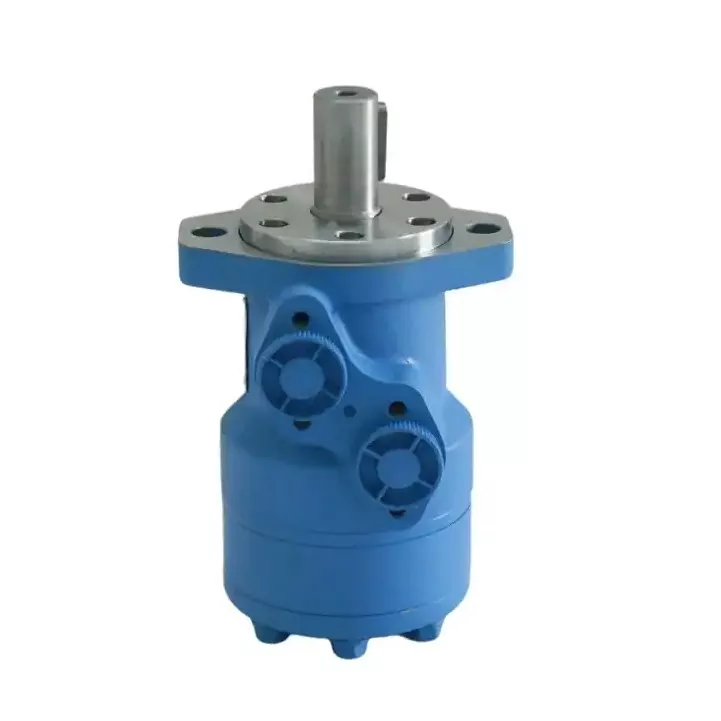
Primary Culprits Behind Slow Cylinder Action
Slow boom and arm movement rarely stems from a single source. More often, it is a combination of mechanical wear, fluid degradation, and control valve issues. Below is a structured breakdown of the most common causes, ranked by frequency of occurrence in field service records.
| Cause Category | Specific Failure | Typical Symptom |
|---|---|---|
| Hydraulic Pump | Worn piston shoes or swashplate | Cycle time increases across all functions |
| Control Valve | Spool sticking or worn lands | Jerky or delayed single-function response |
| Cylinder Seals | Internal bypass past piston seals | Boom drifts down; arm retracts under load |
| Hydraulic Fluid | Viscosity breakdown or aeration | Spongy feel; foaming in sight glass |
| Relief Valve | Cracking pressure set too low | Weak digging power; engine labors normally |
| Suction Strainer | Partially clogged with debris | Cavitation noise; slow initial movement |
Deep Dive: The Three Most Damaging Failures
1. Internal Cylinder Bypass (Most Overlooked)
When piston seals inside the Excavator Hydraulic Cylinder wear out, high-pressure oil leaks from the piston side to the rod side without moving the load. This bypass reduces effective flow to the cylinder, slowing extension and retraction. A simple field test involves extending the boom, shutting off the engine, and observing drift over five minutes. More than 10 mm of drift under rated load confirms seal failure.
2. Pump Swashplate Control Malfunction
Modern Excavator Hydraulic Machinery uses variable-displacement pumps with servo pistons that adjust swashplate angle. If the servo pilot pressure drops below 35 bar (due to a leaking pilot line or faulty regulator), the pump will not upstroke to maximum displacement. The result: the engine revs normally, but cylinder speed remains stubbornly low.
3. Contaminated Valve Spools
Silt-sized particles (5–15 microns) accumulate in valve body clearances, increasing spool sliding resistance. When the pilot pressure cannot overcome this friction, the spool only opens partially. This throttles flow to the arm or boom circuit, creating a slow but smooth movement—unlike the jerky motion caused by electrical issues.
Diagnostic Workflow (Step-by-Step)
-
Measure pump stand-by pressure – Should match OEM specification (typically 30–40 bar). Low stand-by points to a worn compensator.
-
Perform a cylinder leakage test – Extend the cylinder, isolate with shut-off valves, and measure pressure drop over time.
-
Check case drain flow – Remove the drain line from the pump and measure flow at idle. Excessive drain (over 8 L/min for a 200-class machine) signals internal pump wear.
-
Inspect return filters for metallic glitter – Bronze or steel flakes indicate imminent pump or motor failure.
FAQ – Excavator Hydraulic Machinery Common Questions
Q: Can low hydraulic oil level alone cause slow boom and arm movement?
A: Yes, but only when the level drops below the suction pipe inlet. At that point, the pump draws air along with oil, creating aeration. Aerated fluid compresses, so cylinder response becomes spongy and delayed rather than uniformly slow. However, low level alone rarely causes consistent slowness across both boom and arm unless combined with a suction leak. Always check the sight glass with the machine on level ground and all cylinders retracted. Top up with the correct viscosity grade as specified in your Excavator Hydraulic Machinery manual.
Q: How does water contamination affect cylinder speed in hydraulic systems?
A: Water emulsifies with hydraulic oil and reduces the lubricity of anti-wear additives. Over time, this accelerates wear on piston rings and valve spools. More directly, water vaporises at high operating temperatures (above 80°C), creating micro-bubbles that collapse near metal surfaces—a phenomenon called cavitation. Cavitation erodes pump internals and valve lands, permanently reducing flow output. The first warning sign is erratic speed that worsens as the machine warms up. Water content should stay below 0.1%; test with a crackle test or Karl Fischer moisture meter.
Q: Why does my arm cylinder move slower than the boom even after changing the hydraulic filter?
A: A new filter does not cure existing valve or cylinder wear—it only prevents additional contamination. The arm circuit usually has a dedicated priority valve or flow divider. If that divider has a stuck orifice or broken spring, the arm receives less than its designed flow percentage. Additionally, the arm cylinder has a smaller bore than the boom, so any internal bypass represents a higher percentage of its total volume. Measure pressure drop across the arm spool at full stroke; if it exceeds 15 bar over the system relief setting, the spool or its load-check valve needs replacement. Also verify that the arm regenerative circuit (if equipped) is not stuck in regeneration mode, which reduces extension speed under heavy loads.
Preventive Measures to Extend Cylinder Life
-
Daily: Warm up at low idle for 5 minutes before full-load operation.
-
Weekly: Sample oil from the return filter housing and check for discolouration.
-
Monthly: Inspect cylinder rod chrome for scoring—scratches allow dirt ingress that kills seals.
-
Every 500 hours: Replace return and pilot filters, regardless of condition indicators.
Why Trust Yushan for Your Hydraulic Diagnostics
Yushan does not just supply replacement parts; we engineer solutions based on failure pattern analysis from over 12,000 field inspections. Our hydraulic test benches replicate real digging cycles, so every replacement cylinder, pump, or valve is matched to your machine’s exact flow and pressure curve. When you work with Yushan, you receive not only premium components but also data-backed root-cause reports—not guesses.
Contact Us
Slow boom and arm movement costs you time and money every single shift. Stop adjusting your operating technique to compensate for worn Excavator Hydraulic Machinery. Let Yushan provide a complete hydraulic system health check—including cylinder bypass testing, pump flow testing, and valve spool condition assessment. Reach out to our service team through the contact form on our website or call your regional Yushan representative today. We will deliver a corrective action plan within 24 hours, because every minute of delay is a minute of lost production.