What Causes a Passenger Car Fan Bracket to Crack or Break
2026-10-28
A Passenger Car Fan Bracket is a small but critical component that holds the cooling fan assembly securely in place. When it fails, the consequences can range from annoying vibration to serious engine overheating. At Maisheng, we have manufactured and tested thousands of fan brackets for passenger vehicles, and we have seen firsthand why these parts crack or break. Understanding the root causes helps drivers and mechanics prevent repeat failures and choose a more durable replacement.
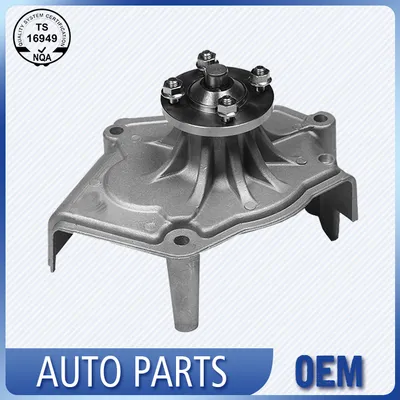
The Most Common Causes of Fan Bracket Failure
Fan bracket damage rarely happens by accident. In most cases, it is the result of one or more of the following factors:
-
Material fatigue and heat cycling. Engine bays reach extreme temperatures. Over time, plastic brackets become brittle, and metal brackets can develop stress fractures at mounting points.
-
Excessive vibration. A worn fan motor, unbalanced fan blade, or loose mounting bolt transfers vibration directly to the bracket, accelerating crack formation.
-
Collision or impact damage. Road debris, minor front-end impacts, or improper handling during repair can crack a Passenger Car Fan Bracket instantly.
-
Corrosion. In regions with road salt or high humidity, steel brackets rust and lose structural strength.
-
Improper installation. Over-tightening bolts or forcing a misaligned bracket creates stress concentrations that lead to premature failure.
-
Aging and mileage. Rubber bushings and mounting grommets deteriorate, allowing movement that cracks the bracket.
Failure Cause Comparison Table
| Cause | Typical Symptom | Risk Level | Prevention Tip |
|---|---|---|---|
| Heat cycling / material fatigue | Hairline cracks near bolt holes | High | Choose heat-resistant Maisheng brackets |
| Excessive vibration | Rattling, bracket loosening | High | Replace worn fan motor and blades |
| Impact damage | Visible fracture, fan misalignment | Medium | Inspect after any front-end contact |
| Corrosion | Rust streaks, flaking metal | Medium | Use coated or composite brackets |
| Improper installation | Cracks at mounting tabs | Medium | Follow torque specifications exactly |
| Aging bushings | Excessive play, clunking noise | Low–Medium | Replace bushings with the bracket |
Warning Signs You Should Not Ignore
Catching a failing Passenger Car Fan Bracket early prevents costly repairs. Watch for these symptoms:
-
Unusual rattling or grinding from the engine bay
-
Fan assembly wobbling or sitting at an angle
-
Coolant temperature rising in traffic
-
Visible cracks, rust, or missing mounting hardware
Why Bracket Quality Matters
Not all brackets are built to the same standard. Maisheng engineers brackets using reinforced materials and precision molding to resist heat, vibration, and corrosion. A properly engineered Passenger Car Fan Bracket from Maisheng maintains fan alignment and extends the service life of the entire cooling system.
Frequently Asked Questions
Q: How long does a Passenger Car Fan Bracket usually last?
A: Most Passenger Car Fan Bracket units last 5–10 years or 60,000–100,000 miles, but heat, vibration, and installation quality can shorten that lifespan significantly, so regular inspection is recommended.
Q: Can I drive with a cracked Passenger Car Fan Bracket?
A: Driving with a cracked Passenger Car Fan Bracket is not recommended, because the fan may shift, contact the radiator, or stop cooling the engine, which can lead to overheating and expensive damage.
Q: How do I choose a durable replacement Passenger Car Fan Bracket?
A: Choose a Passenger Car Fan Bracket made from heat-resistant reinforced material, confirm it matches your vehicle's OEM specifications, and select a trusted manufacturer such as Maisheng for consistent quality and fit.
Contact Us
Protect your cooling system with a bracket built to last. Contact Maisheng today for expert guidance, OEM-quality Passenger Car Fan Bracket options, and bulk pricing—our team will help you find the right fit for your vehicle.