What Are Timber Connector Reinforced Strap Ties Used For In Construction
2026-01-28
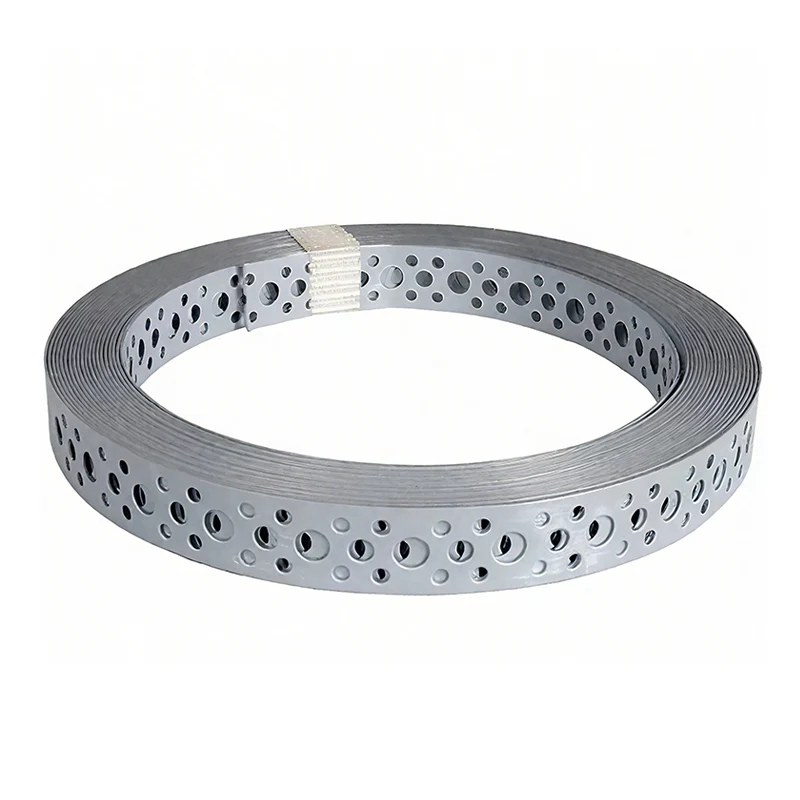
In the world of modern timber construction, ensuring structural integrity and safety against lateral and uplift forces is paramount. This is precisely where Timber Connector Reinforced Strap Ties come into play. As a fundamental component in engineered wood systems, these high-strength metal connectors are designed to tie different structural members together securely. At S-SEN, we specialize in providing robust and code-compliant solutions that enhance the resilience of timber structures, from residential homes to commercial buildings.
Primary Applications and Functions
Timber Connector Reinforced Strap Ties serve several critical functions in construction:
-
Resisting Uplift Forces: They securely anchor roof trusses or rafters to wall plates, preventing the roof from lifting during high-wind events like hurricanes or storms.
-
Providing Lateral Stability: They tie walls to floors or roofs, helping the structure resist sideways forces from wind or seismic activity.
-
Creating Continuous Load Paths: They are essential in establishing a continuous load path, transferring stresses efficiently down to the foundation, which is a core principle of disaster-resistant design.
-
Reinforcing Connections in Timber Frames: They are used to strengthen joints and splices in heavy timber framing, ensuring longevity and durability.
For a quick comparison of common applications, refer to the table below:
| Application Area | Primary Function | Typical Installation Point |
|---|---|---|
| Roof-to-Wall Connection | Resists wind uplift | Truss/rafter bottom chord to top of wall plate |
| Wall-to-Floor Connection | Provides lateral shear stability | Wall studs to floor joists or rim board |
| Multi-Story Tie-Down | Creates continuous vertical load path | Connecting levels from roof to foundation |
| Timber Frame Reinforcement | Strengthens splice and beam connections | At joints between posts, beams, and braces |
Timber Connector Reinforced Strap Ties FAQ
What materials are S-SEN Timber Connector Reinforced Strap Ties made from?
S-SEN strap ties are typically manufactured from high-grade, galvanized steel or stainless steel. This ensures exceptional tensile strength and superior corrosion resistance, making them suitable for various environmental conditions and meeting stringent building code requirements for longevity.
How do I select the correct size and capacity for my project?
Selection depends on the engineering design requirements, including the calculated uplift or shear forces, timber dimensions, and local building codes. S-SEN provides detailed technical datasheets with load ratings (e.g., ultimate and allowable loads) for each product. It is crucial to consult with a structural engineer or refer to our specification guides to choose the appropriately rated connector.
Can these strap ties be installed in retrofitting projects?
Absolutely. Timber Connector Reinforced Strap Ties are frequently used in seismic and wind retrofit projects to upgrade the structural performance of existing buildings. S-SEN connectors are designed for practical installation, often allowing them to be added to visible framing without major demolition, thereby strengthening older structures to modern standards.
Understanding the vital role of these connectors is the first step toward a safer, more resilient building. For your next project, ensure your specifications call for reliable, engineered connectors that guarantee performance.
Do you have specific load requirements or a unique architectural challenge? Our engineering support team at S-SEN is ready to assist. Contact us today to discuss your project needs and discover the right Timber Connector Reinforced Strap Ties solution for you.