What are the standard sizes of metal screw caps for glass bottles
2026-06-22
Selecting the correct closure for a glass bottle is more complex than matching diameters. For procurement officers, packaging engineers, and brand owners, understanding the standardized dimensions of Metal Screw Caps is critical to ensuring seal integrity, production line efficiency, and consumer safety. At Shengsen, we have spent over two decades manufacturing precision closures, and we frequently encounter confusion regarding international sizing norms. This guide dismantles the technical specifications of Metal Screw Caps for glass packaging, offering a clear roadmap for your next project.
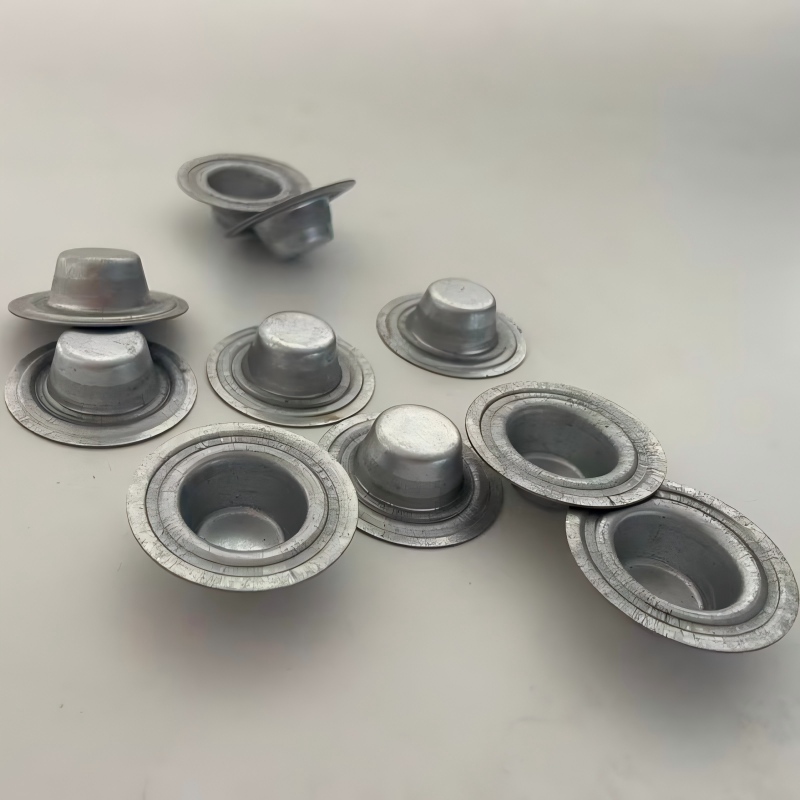
The Anatomy of a Metal Screw Cap Size
When we discuss "size," we refer to three interdependent measurements:
-
Nominal Diameter (Neck Finish): The designated size of the bottle neck (e.g., 28 mm, 38 mm).
-
Thread Profile: The pitch and depth of the internal threads, which must match the bottle's external threads.
-
Overall Height (Overcaps): The external height, which affects capping machine clearance.
The most globally recognized standard is the GPI (Glass Packaging Institute) / SPI (Society of the Plastics Industry) finish, which dictates the exact number of thread starts, pitch, and sealing surface dimensions.
Standard Size Chart for Metal Screw Caps
Below is the industry breakdown of the most common Metal Screw Caps sizes used across beverages, pharmaceuticals, and food industries. Note that dimensions are in millimeters unless specified.
| Neck Finish (mm) | Common Thread Type | Typical Application | Cap Height Range (mm) | Sealing Liner Type |
|---|---|---|---|---|
| 18-415 | Continuous Thread | Essential oils, tinctures | 15 – 18 | F217 / PTFE |
| 20-410 | Continuous Thread | Small pharmaceuticals | 12 – 15 | Pulp / Foam |
| 24-410 | Continuous Thread | Sauces, syrups | 18 – 22 | Induction foil |
| 28-400 | Continuous Thread | Beer, soda, water | 22 – 25 | Crown / Press-on |
| 30-450 | Lug (Twist-off) | Juices, tomato paste | 20 – 24 | Plastisol |
| 38-400 | Continuous Thread | Olive oil, wine | 25 – 30 | Cone / Saranex |
| 43-400 | Continuous Thread | Large condiments | 28 – 35 | PU foam |
| 53-400 | Lug (Twist-off) | Pickles, jams | 30 – 38 | Plastisol |
| 58-400 | Continuous Thread | Industrial chemicals | 35 – 42 | EPDM gasket |
| 63-400 | Lug (Twist-off) | Gallon-size juices | 40 – 48 | Plastisol |
Note: The first two digits indicate the nominal finish diameter; the last three digits (e.g., 400, 410, 415) denote the thread style and finish specifications.
Critical Fitment Factors Beyond Diameter
While the chart above provides a baseline, three technical parameters define a successful match between a glass bottle and Metal Screw Caps:
-
Thread Start Count: A 4-start thread (common in lug caps) requires only a quarter-turn to seal, whereas a single-start continuous thread needs multiple rotations. Shengsen recommends verifying the start count with your glass supplier to avoid cross-threading.
-
Sealing Surface Angle: The inner top of the cap must match the bottle's land area. A mismatch of even 2 degrees can cause leakage under vacuum pressure.
-
Application Torque: Standard sizes like 28 mm typically require 15–20 inch-pounds of torque, while larger 58 mm caps may need up to 45 inch-pounds. Over-torquing distorts the metal shell.
Frequently Asked Questions About Metal Screw Caps
Q1: Can a 28-400 metal screw cap fit a bottle with a 28-410 neck finish?
A: No, they are not interchangeable. Although both have a 28 mm nominal diameter, the "400" finish denotes a single continuous thread with a specific pitch, while "410" indicates a slightly different thread profile and deeper lug configuration. Using a 28-400 Metal Screw Cap on a 28-410 bottle will result in improper seating, leading to seal failure and oxygen ingress. Always verify the exact GPI finish code from your glass manufacturer before ordering. Shengsen offers free sample testing to confirm compatibility prior to bulk production.
Q2: How do I determine the correct liner for my metal screw cap based on the product's pH level?
A: The liner acts as the primary barrier. For acidic products (pH < 4.5), such as tomato sauces or fruit juices, a plastisol or PVC-free liner is standard because it withstands corrosion. For neutral or alkaline products (pH 7–10), such as detergents or pharmaceuticals, choose a F217 or PTFE-lined Metal Screw Cap to prevent chemical reactions with the metal shell. For oil-based products, a cone liner with a pulp backing is preferred to prevent wicking. Shengsen manufactures custom liner solutions tailored to your product's specific chemical profile and thermal filling temperature (up to 120°C).
Q3: What is the tolerance range for the outer diameter of metal screw caps to ensure they pass through my capping machine's chute?
A: The outer diameter (O.D.) of Metal Screw Caps typically has a machining tolerance of ±0.5 mm from the nominal size. For example, a 38 mm cap usually has an O.D. between 40.2 mm and 41.2 mm. However, your capping machine's star wheel or sorting chute may require a narrower range (±0.3 mm) to prevent jams. We strongly advise sending a sample of your bottle and a 50-unit cap lot to Shengsen for a "drop-test" under actual line speed conditions. We can adjust the knurling depth and skirt straightness to optimize feed rates without compromising the vacuum seal.
Regional Standards to Consider
-
Europe: Primarily follows DIN / ISO standards, where neck finishes are measured in millimeters (e.g., DIN 6063 for twist-off caps).
-
North America: GPI (Glass Packaging Institute) codes dominate, especially for food and beverage.
-
Asia: Often uses a hybrid system, but most export-oriented manufacturers, including Shengsen, produce to both GPI and DIN specifications to ensure global compliance.
For custom projects, Shengsen provides 3D-printed cap samples within 48 hours to validate size and fitment before steel tooling is committed.
Conclusion: Precision Sizing Drives Performance
Choosing the right size for Metal Screw Caps is not a "one-size-fits-all" decision. It requires cross-referencing the bottle's finish code, application torque, liner chemistry, and capping equipment capabilities. An incorrect size increases scrap rates, damages sealing surfaces, and compromises product integrity.
Contact us today at Shengsen to request a comprehensive sizing kit, including a digital caliper guide and 20 free sample caps matching your exact bottle finish. Our engineering team will analyze your filling line parameters and provide a written compatibility report within 72 hours – ensuring your packaging operates at peak efficiency from the first run.