What are the latest innovations in lightweight stamped steel parts for electric vehicles
2026-04-20
The rapid rise of electric vehicles (EVs) has created urgent demand for lightweight yet durable components. Among the most promising solutions are lightweight stamped steel parts, which reduce vehicle mass while maintaining structural integrity. At Nuote, engineers are redefining how stamped steel parts support EV efficiency, battery range, and crash safety.
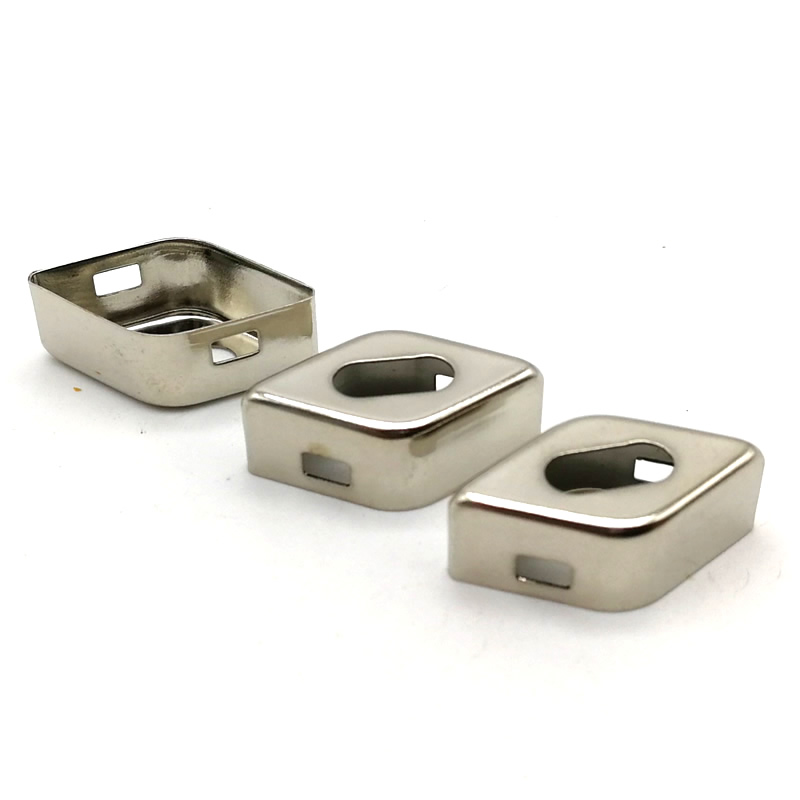
Key innovations in lightweight stamped steel parts for EVs
| Innovation | Description | Benefit for EVs |
|---|---|---|
| Ultra-high strength steel (UHSS) stamping | Advanced press technologies form UHSS grades up to 1500 MPa | Thinner gauges with equal strength, reducing weight by up to 25% |
| Tailor rolled blanks (TRB) | Variable sheet thickness in a single stamped component | Material placed only where needed – ideal for battery enclosures |
| Integrated structural adhesive bonding | Combining stamping with heat-cured adhesives | Eliminates welds, improves stiffness, lowers total mass |
| Laser welded blank (LWB) technology | Welding different steel grades before stamping | Optimized strength-to-weight ratio for chassis rails and B-pillars |
Process innovations driving performance
Nuote has also adopted servo press lines with real-time force monitoring. This enables lightweight stamped steel parts with tighter tolerances and reduced springback. The result: fewer secondary operations, lower energy use per part, and consistent quality across high-volume EV production.
Stamped Steel Parts FAQ
Q: Can stamped steel parts be as light as aluminum for EV applications
A: Yes, when using advanced high-strength steels (AHSS) and optimized geometries, stamped steel parts can achieve similar weight to aluminum but with better impact resistance and lower material cost. For example, a 1.2 mm AHSS stamped component can replace a 2.0 mm aluminum part while offering superior fatigue life. Additionally, steel has higher elastic modulus, meaning less deflection under load – critical for battery tray protection.
Q: How do lightweight stamped steel parts affect EV battery range
A: Reducing the mass of structural stamped steel parts directly improves range. Every 10% reduction in vehicle body weight increases EV range by approximately 5-7%. With Nuote’s UHSS stamping technology, EV manufacturers can save 30-40 kg per vehicle without compromising safety. This translates to 15-20 extra miles per charge. Moreover, lighter parts allow smaller battery packs for city EVs or extended range for long-distance models.
Q: Are lightweight stamped steel parts more expensive to produce than conventional stamped parts
A: Initial tooling costs can be 15-20% higher due to the need for precision dies and higher-tonnage presses. However, total cost per part often decreases in high-volume production (over 50,000 units). Stamped steel parts made from thinner UHSS require less raw material, lower shipping weight, and fewer downstream reinforcements. Nuote further reduces cost through servo press energy savings and reduced scrap rates – typically achieving payback within 12-18 months for EV programs.
Real-world application: EV battery tray
Nuote recently developed a one-piece lightweight stamped steel part for an EV underbody battery tray. By replacing a multi-piece welded assembly with a single stamped component using tailor rolled blanks, weight dropped by 18% and assembly time fell by 40%. The part passed all FMVSS crash tests with zero failure.
Sustainability advantage
Steel is infinitely recyclable, and lightweight stamped steel parts from Nuote use up to 40% recycled content. The stamping process itself generates less CO2 per kilogram than aluminum production. For EV manufacturers pursuing circular economy goals, this is a decisive factor.
Contact us today to explore how Nuote can engineer lightweight stamped steel parts for your next EV platform. Request a feasibility study or sample stamping – our team responds within 24 hours.