What are the ideal feed and speed parameters for CNC titanium drilling
2026-05-14
Drilling CNC Titanium components requires a precise balance of feed rate and spindle speed to avoid work hardening, excessive heat, and premature tool failure. KGL has engineered a set of reference parameters that help machinists achieve consistent hole quality and extended tool life when working with titanium alloys such as Grade 5 (Ti-6Al-4V).
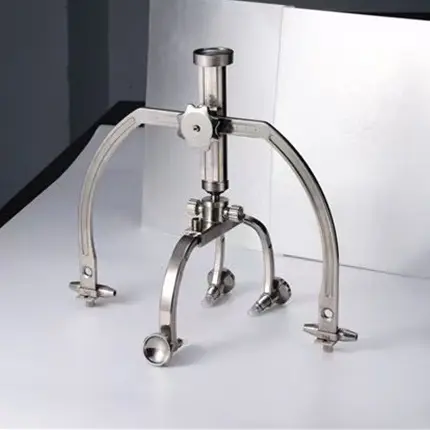
Recommended Feed and Speed Parameters for CNC Titanium Drilling
The table below outlines starting parameters for carbide drills in CNC Titanium operations. Adjustments should be made based on coolant pressure, hole depth, and machine rigidity.
| Drill Diameter (mm) | Spindle Speed (RPM) | Feed Rate (mm/rev) | Cutting Speed (m/min) |
|---|---|---|---|
| 3.0 | 800 – 1200 | 0.04 – 0.08 | 8 – 12 |
| 6.0 | 400 – 600 | 0.08 – 0.12 | 8 – 12 |
| 10.0 | 250 – 380 | 0.10 – 0.15 | 8 – 12 |
| 12.0 | 200 – 320 | 0.12 – 0.18 | 8 – 12 |
*For deep-hole drilling (L/D > 4), reduce feed by 20-30% and use pecking cycles.*
Why These Parameters Work for CNC Titanium
Titanium’s low thermal conductivity traps heat at the cutting edge. Running CNC Titanium drilling at excessively high speeds causes rapid carbide failure. The parameters above keep cutting speeds between 8-12 m/min, allowing the drill to shear material rather than rub, which minimizes work hardening. KGL recommends using through-spindle coolant at 70-100 bar pressure to evacuate chips efficiently.
CNC Titanium FAQ Common Questions
Q1: Why does my CNC titanium drill break immediately even when using recommended speeds?
A1: Immediate drill breakage in CNC Titanium is often caused by insufficient coolant flow or incorrect entry technique. Titanium work hardens instantly if the drill rubs instead of cuts. Ensure your tool is touching the workpiece before starting the spindle, use a rigid tool holder with minimal runout (under 0.01mm), and apply high-pressure coolant directly to the cutting zone. Peck drilling with short retracts (0.5-1.0mm per peck) also helps break chips and reduces heat buildup.
Q2: Can I use the same feeds and speeds for titanium as I do for stainless steel?
A2: No. CNC Titanium requires approximately 40-60% lower cutting speeds than 304 stainless steel. While stainless steel can tolerate speeds of 15-25 m/min with carbide, titanium demands 8-12 m/min. The feed per revolution for titanium can be similar or slightly higher than stainless to maintain chip thickness, but speed is critical. Exceeding 15 m/min in titanium will cause rapid edge build-up and catastrophic tool failure within seconds.
Q3: How do I know if my feed and speed are correct for drilling titanium
A3: Correct parameters produce short, gold-colored or straw-colored chips that break easily. If chips are blue or purple, speed is too high. If chips are long, stringy, and difficult to break, feed rate is too low. Correct sound is a steady cutting tone without squealing. Additionally, inspect the hole exit: a clean burr-free exit indicates proper chip evacuation. KGL recommends starting with lower speed and increasing feed gradually until chip color turns from silver to light straw.
Best Practices for CNC Titanium Drilling with KGL
-
Use cobalt or nano-coated carbide drills designed specifically for titanium.
-
Maintain coolant concentration above 8% for optimal lubrication.
-
Replace drills after 80-120 holes in production to maintain hole tolerance.
Contact KGL Today
Need custom CNC Titanium drilling solutions or help optimizing your parameters for production runs? Contact KGL now for a free process review and tooling recommendation. Our engineers are ready to help you reduce cycle times and tooling costs.